
Last updated November 15, 2026
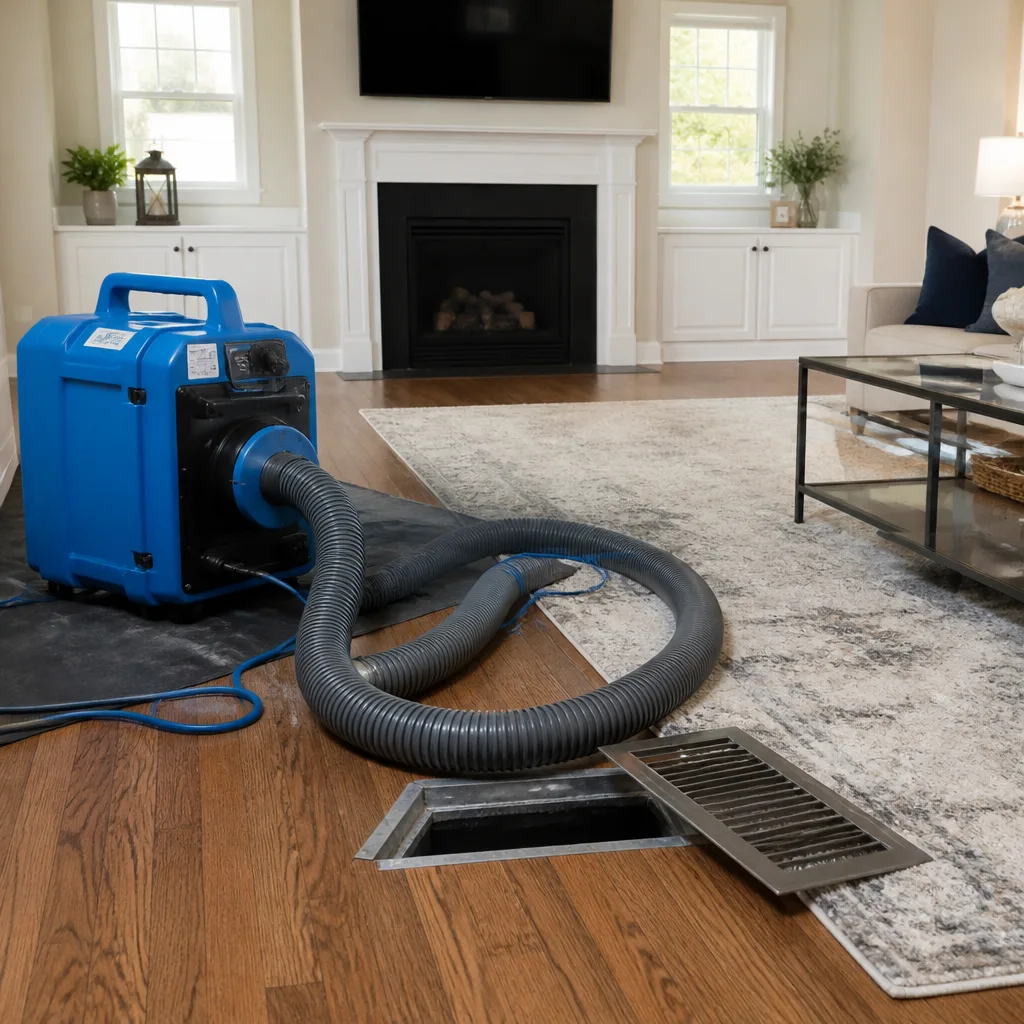 Whole-home duct cleaning
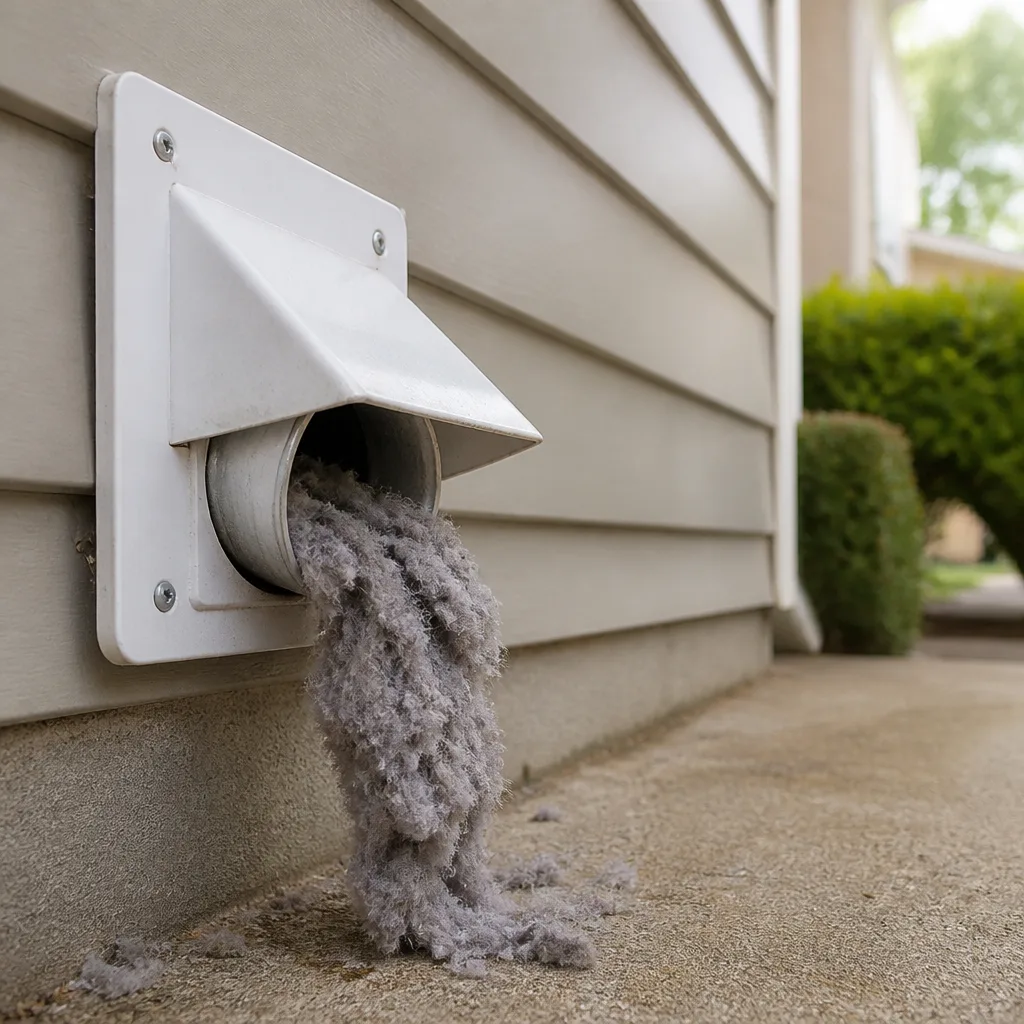 Dryer vent cleaning
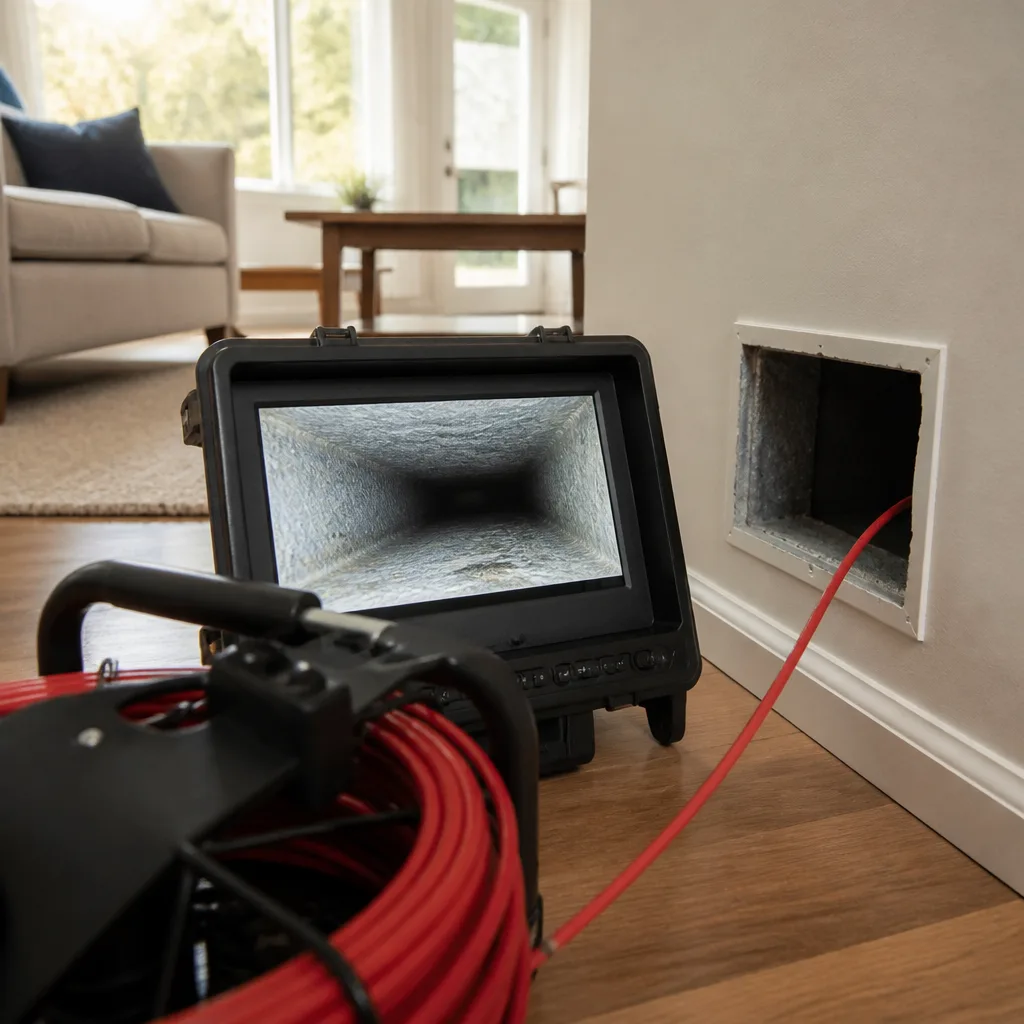 Camera inspection
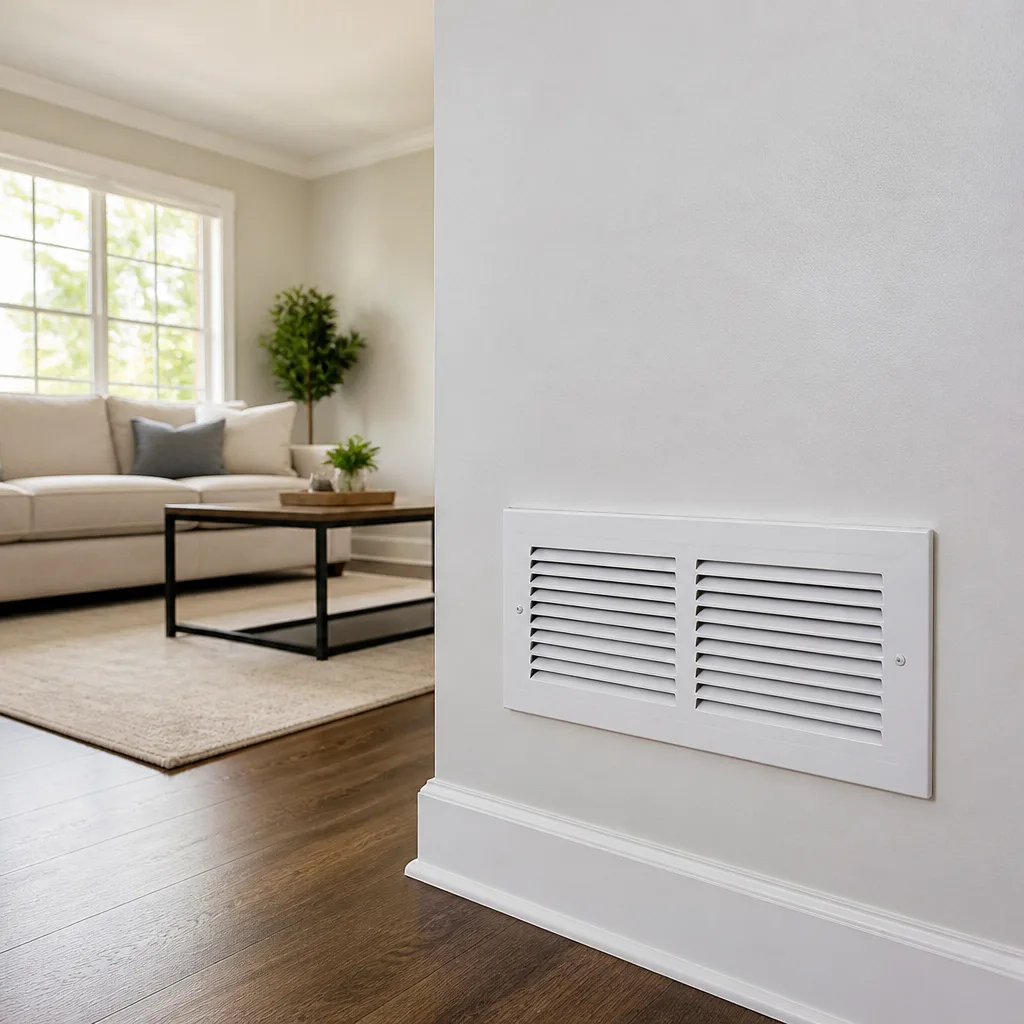 Sanitizing & deodorizing
Whole-system duct and dryer vent check with before-and-after photos - you see exactly what came out of your vents
That "$99 whole-house special" is a bait ad - the real number appears once they are in your hallway, or the "clean" is a shop-vac at the register. We photograph the inside of your ducts before and after instead.
Air Duct Cleaning Maintenance Schedule: What to Do and When
A 1920s Cambridge triple-decker with original galvanized trunk lines and a low-grade fiberglass filter needs cleaning on a completely different timeline than a 2015 condo with sealed flex duct and a high-MERV filter. Most scheduling guides pretend they’re the same house. They’re not. The “every three to five years” rule you see repeated everywhere is an average that fits almost no specific home well. What actually drives how fast your ducts load up is measurable: filter grade, how many people live there, whether pets share the space, when the system was last verified clean, and what your ductwork is made of. This guide walks through how to build a schedule from those variables, what to do between professional cleanings, and how a renovation resets everything.
Quick Answer
There’s no single interval that fits every Cambridge home. A reasonable starting point is every three to five years for an average household, but you should shorten that to every two to three years if you have pets, more than four occupants, a filter below MERV-8, or pre-1970 ductwork. Reset the clock entirely after any renovation that generates construction dust. Filter changes between cleanings matter more than most homeowners realize.
Styles & brands we work with
- Whole-home duct cleaning
- Dryer vent cleaning
- Camera inspection
- Sanitizing & deodorizing
Table of Contents
- The Four Variables That Actually Set Your Schedule
- Why Cambridge’s Older Housing Stock Accumulates Debris Faster
- How to Build Your Own Maintenance Interval
- What to Do Between Professional Cleanings
- Why a Renovation Resets the Clock
- The Documentation to Request After Every Cleaning
- Common Mistakes to Avoid
- When to Call a Professional
The Four Variables That Actually Set Your Schedule
Every scheduling decision comes down to four measurable inputs. Get a number or a yes/no for each, and your interval writes itself. This is how we think about it when a homeowner in Cambridge asks how often they should book, and it’s more useful than any blanket recommendation.
1. Filter MERV rating. A MERV-6 filter captures larger particles and lets fine dust pass into the ductwork. A MERV-11 or MERV-13 captures far more before it reaches the ducts, which buys you time. If you’re running a basic fiberglass filter, plan on shorter intervals. If you’ve upgraded to a higher-MERV pleated filter or a media cabinet from a brand like Aprilaire or Honeywell, your ducts stay cleaner longer between service visits. Check that your blower can handle the higher restriction before you upgrade; a filter that’s too dense starves airflow and creates its own problems.
2. Number of occupants. More people means more skin cells, more clothing fibers, more cooking particulate, and more hours of the HVAC system circulating air. Two adults in a 1,200-square-foot unit is a different load than a family of five in the same space. Count everyone who lives there, including anyone home during the day.
3. Pet presence. Pets roughly double the particulate load in a forced-air system. Dander, hair, and tracked-in debris all end up in the return side. One dog or cat pushes most homes toward the two-to-three-year end of the range. Multiple animals, or a long-haired breed, pushes it shorter still.
4. Years since last confirmed cleaning. “Confirmed” is the key word. If you bought the house and the seller said the ducts were cleaned, you don’t have a confirmed baseline. Without documentation, treat the system as unknown and start fresh. Once you have a documented cleaning, you’re counting from a real date instead of a guess.
Write those four answers down. The air duct cleaning interval we recommend for your home follows from them, not from a calendar someone else set.
Why Cambridge’s Older Housing Stock Accumulates Debris Faster
Cambridge has a lot of housing built before 1970, and pre-1970 ductwork behaves differently than modern systems. The trunk lines are often original galvanized steel with slip joints, taped seams, or in some cases no sealing to speak of. Every gap in the run lets air escape and lets dust pull in from unconditioned spaces like basements, crawlspaces, and wall cavities. That’s a two-way leak: conditioned air out, dirty air in.
Older ducts also tend to have rougher interior surfaces. Decades of thermal cycling leave light surface corrosion and pitting on galvanized steel, and that texture gives dust something to grab onto. Newer sealed flex duct has a smooth interior liner that sheds particulate more readily. A 100-year-old triple-decker near Porter Square and a 2015 condo building in Kendall are both in Cambridge, but their duct systems age at completely different rates.
Sealing quality is the variable most homeowners never think about. When we inspect a system, we look at the accessible runs for gaps at joints, disconnected sections, and crushed or sagging flex. Compromised ductwork doesn’t just waste energy, it pulls unfiltered air from the spaces around it. Air duct repair is a natural companion to cleaning for exactly this reason: cleaning a leaky system without sealing it means you’ll be back sooner than you should be. The Duct Cleaning Cambridge team handles both so the cleaning holds.
Cambridge’s climate adds another factor. Long heating seasons mean the system runs hard from October through April, and every hour of runtime moves air through the ducts. Homes here see more total air volume pass through the system per year than in milder parts of the country, which accelerates accumulation. That’s not a reason to panic, it’s a reason to inspect on schedule instead of waiting for a symptom.
How to Build Your Own Maintenance Interval
Here’s a straightforward method you can run in about five minutes. It gives you a starting interval you can adjust as you learn more about your system.
- Start with a base of five years. This assumes a sealed modern system, a MERV-11 or higher filter, two occupants, no pets, and a documented cleaning within the last five years. Very few homes hit all of those, but it’s the starting point.
- Subtract one year for a filter below MERV-8. Basic fiberglass filters are the biggest single accelerant. If that’s what’s in your return grille, cut the interval.
- Subtract one year if you have pets. Two or more animals, or a long-haired breed, subtracts another year.
- Subtract one year if more than four people live in the home. Adjust upward slightly for one or two occupants in a larger home.
- Subtract one year for pre-1970 ductwork. Older galvanized systems with original joints and no sealing fall into this category.
- Reset to “unknown” if you have no documentation. If you can’t produce a receipt or report from a prior cleaning, book an inspection and start your baseline from there.
Do the math and you’ll land somewhere between one and five years. Most Cambridge homes land at two to three. That matches what we see in practice: the homes that wait five years are the ones with sealed modern ductwork and high-grade filtration, and they’re the minority.
Once you have your interval, put it on a calendar with the actual month you plan to book. Duct cleaning is a scheduled job, not something you should be deciding about in a panic when the system starts whistling. Booking ahead means you get the appointment you want instead of whatever’s left.
A couple of adjustments beyond the four variables: if anyone in the household has respiratory sensitivities, err on the shorter side. If you’re running a whole-home humidifier or dehumidifier tied into the ductwork, moisture management matters and shorter intervals help prevent microbial growth. And if you’ve never had the system inspected, an inspection is the right first step regardless of what the calendar says.
What to Do Between Professional Cleanings
What you do between cleanings determines whether you hit your target interval or blow past it. Three habits matter most.
Filter change cadence
Check your filter monthly and change it based on what you see, not what the packaging says. A 1-inch pleated filter in a busy Cambridge home often needs changing every 60 to 90 days. A 4-inch media cabinet filter can go six months to a year. Hold the filter up to a light: if you can’t see light through it evenly, it’s done. Write the change date on the filter frame with a marker so you always know where you stand.
Return grille inspection
Every few months, pull the return grille and look inside with a flashlight. You’re checking for visible dust buildup on the duct walls, debris accumulation at the bottom of vertical runs, and any sign of pest activity. A light, even dust film is normal. A thick mat, visible hair accumulation, or debris falling out when you tap the duct is a sign it’s time to book.
Spotting early accumulation
Watch for these signals that the system is loading up faster than expected:
- Visible dust puffing from supply registers when the system starts
- Increasing dust on horizontal surfaces within days of cleaning
- A musty or stale smell when the heat or AC kicks on
- Increased allergy symptoms inside the home compared to outside
- Higher energy bills without a change in usage patterns
Any of these is worth a call. None of them are emergencies, but they all mean the interval you planned is probably too long.
One more habit: check your dryer vent on the same schedule. Lint accumulation in the dryer vent is a documented residential fire risk, and it’s a separate system from your HVAC ducts. dryer vent cleaning is a standalone service because it addresses a different problem, and it’s worth scheduling alongside your duct cleaning to save the coordination.
Why a Renovation Resets the Clock
Construction particulate is a different category from normal household dust. Drywall sanding produces fine gypsum powder that settles into every horizontal surface in the home, and the HVAC system pulls it into the return side within hours of the first sanding pass. Sawdust, insulation fibers, and drywall compound all behave the same way.
Here’s the counterintuitive part: if you had a documented cleaning six months before the renovation started, that cleaning no longer counts as your baseline. The renovation voids it. Plan an air duct cleaning after the final sanding and before you move furniture back into the finished rooms. If the renovation was extensive, or involved any demolition, a second cleaning six to twelve months later catches the residual particulate that settles out of the air over time.
During the renovation itself, a few simple steps reduce what gets in:
- Seal return and supply registers in the work zone with plastic and tape before demolition starts.
- Run the HVAC fan less, or shut it off in the work zone during heavy sanding.
- Change the filter frequently during the work, then change it again immediately after the final sanding.
- Plan a professional cleaning once the drywall dust has settled, not before.
Cambridge has a lot of older homes undergoing gut renovations, and the contractors doing the work are often focused on their trades, not the duct system. It falls to the homeowner to sequence the cleaning correctly. If you’re not sure whether your renovation was dusty enough to warrant it, it was.
For homes with compromised ductwork that the renovation exposed, air duct repair may need to happen before or alongside the cleaning. Abatement Technologies filtration and containment equipment comes into play on jobs where the dust load is heavy, keeping the workspace and the rest of the home separated while the work gets done.
The Documentation to Request After Every Cleaning
Your next cleaning should start from a known baseline, not a guess. That means requesting specific documentation after every service. Ask for it before the work starts so there are no surprises about what you’ll receive.
- Before-and-after photos of your own ductwork. Not stock photos, not someone else’s job. Interior shots of the main trunk and at least a few branch runs, showing the visible change.
- A written scope of work. Which components were cleaned (supply, return, trunk lines, registers), which methods were used, and whether any areas were inaccessible or excluded.
- The date of service and the equipment used. A one-line note naming the systems involved, whether that’s a Rotobrush rotary brush, a Nikro HEPA vacuum, or both, tells the next technician what methods were used and how the system responded.
- Repairs performed. If any section of duct was sealed, reconnected, or replaced, that needs to be in writing with the location noted.
- The technician’s assessment of condition. Did the ducts look better or worse than expected for their age? Any areas to watch? Any signs of moisture, pest activity, or future repair needs?
Keep this paperwork with your HVAC service records. When you next evaluate whether it’s time to clean, you’re comparing against a documented state instead of trying to remember how the ducts looked six years ago.
The Cambridge housing stock means duct condition varies widely from home to home, and documentation from your own system is the only reliable guide. A report on a modern condo tells you nothing about your triple-decker.
Common Mistakes to Avoid
- Waiting for a visible problem before booking. By the time dust is puffing out of the registers, the system has been loading up for years. A schedule based on your variables catches the buildup before it becomes a symptom.
- Cleaning once and assuming you’re done. Duct cleaning isn’t a permanent reset that stops contamination. The system starts accumulating again the moment the blower runs, and your interval needs to account for that.
- Running a cheap filter to save money. The lowest-cost filters are the biggest accelerant to duct contamination, and the savings on filter cost get eaten by shorter cleaning intervals and reduced airflow efficiency.
- Skipping the dryer vent on the assumption it’s included. It’s a separate system and a separate service. Dryer vent lint accumulation is a documented fire risk, and it belongs on your schedule independently of the air ducts.
- Cleaning during or immediately after renovation without proper containment. Cleaning while dust is still in the air means the work doesn’t hold. Sequence it after the final sanding and use proper filtration equipment.
- Hiring on price alone without confirming equipment. A shop-vac and a ladder isn’t duct cleaning. Ask what equipment will be used on your job, and expect a named system with HEPA-rated containment.
- Ignoring compromised ductwork found during cleaning. If the technician finds disconnected runs or heavy leaks, cleaning without repair means you’ll be back sooner than you should be. The cleaning and the fix should happen together.
When to Call a Professional
Some situations call for a professional visit now, regardless of what your schedule says. If you’ve just bought a home and can’t confirm when the ducts were last cleaned, book an inspection and set your baseline. If you’ve noticed visible dust on surfaces within days of cleaning, or a musty smell when the system runs, the ducts are loading faster than expected. If anyone in the home has developed worse allergy symptoms over months without an obvious cause, an inspection rules the ducts in or out. If you’ve completed a renovation, plan the cleaning on a clear date.
We also get called when an HVAC technician flags compromised ductwork during a service visit. That’s the right time to address it: cleaning and repair in the same visit means one point of contact and one coordination instead of two. Our technicians have up to 11 years of experience, and our equipment is professional-grade rather than the consumer vacuums that budget operators use.
Duct Cleaning Cambridge offers free estimates in Cambridge. Call (888) 393-0038. We answer 24/7. Fast dispatch from 7am to 7pm, Sunday through Friday.
See the difference
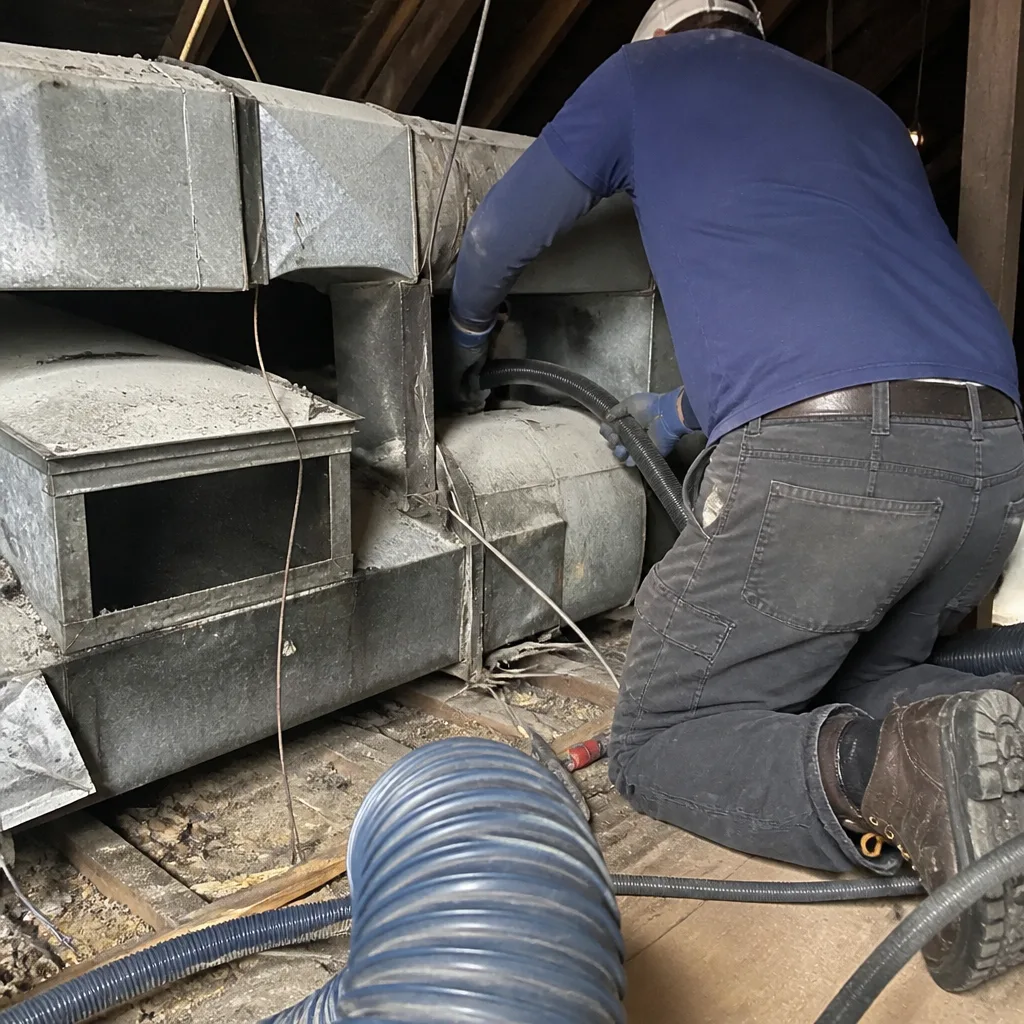 Before
 After
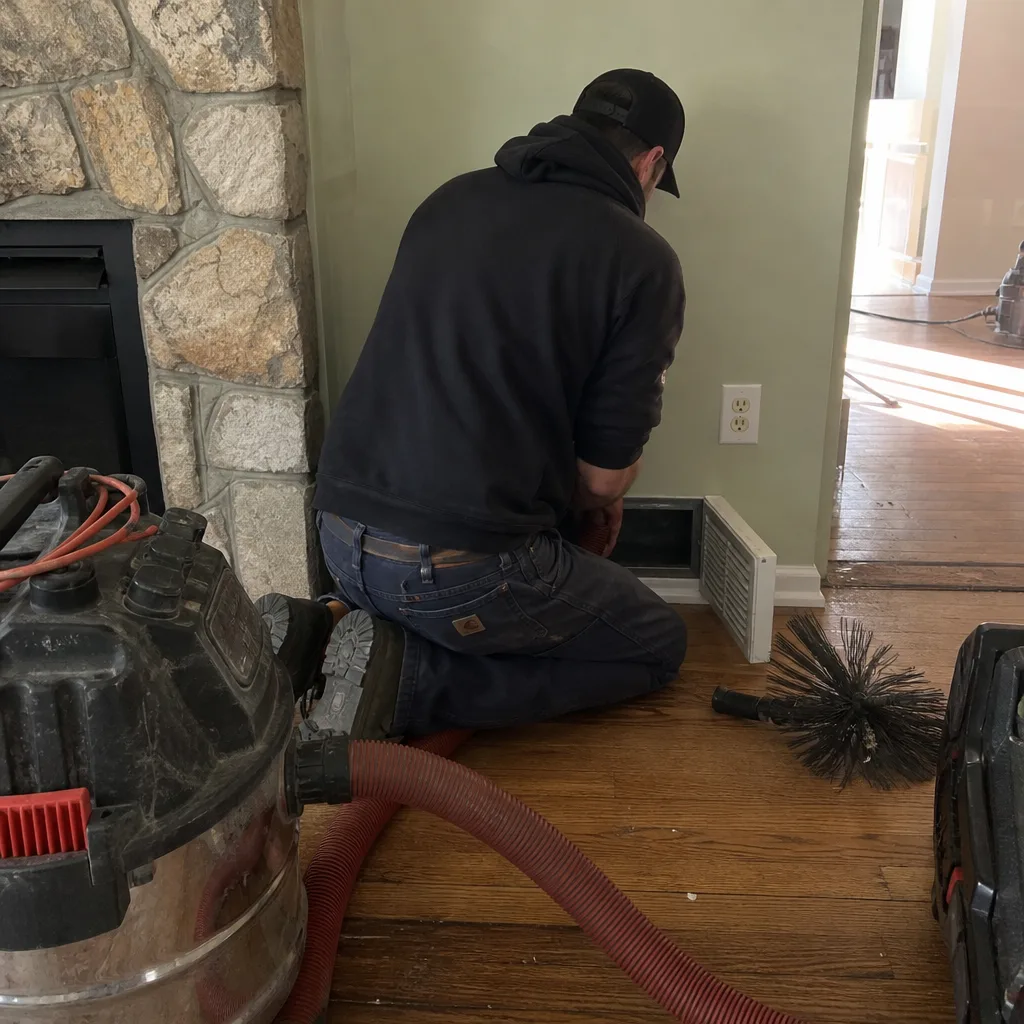 Before
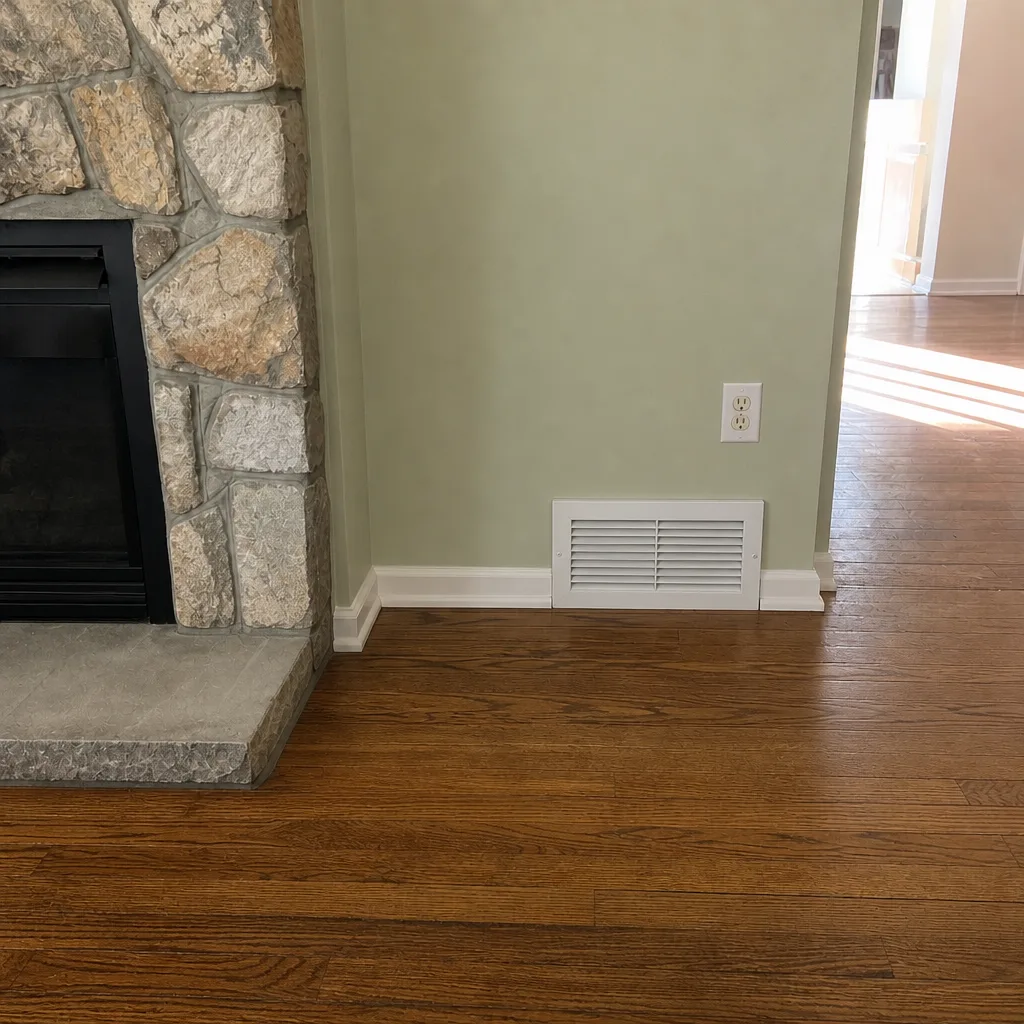 After
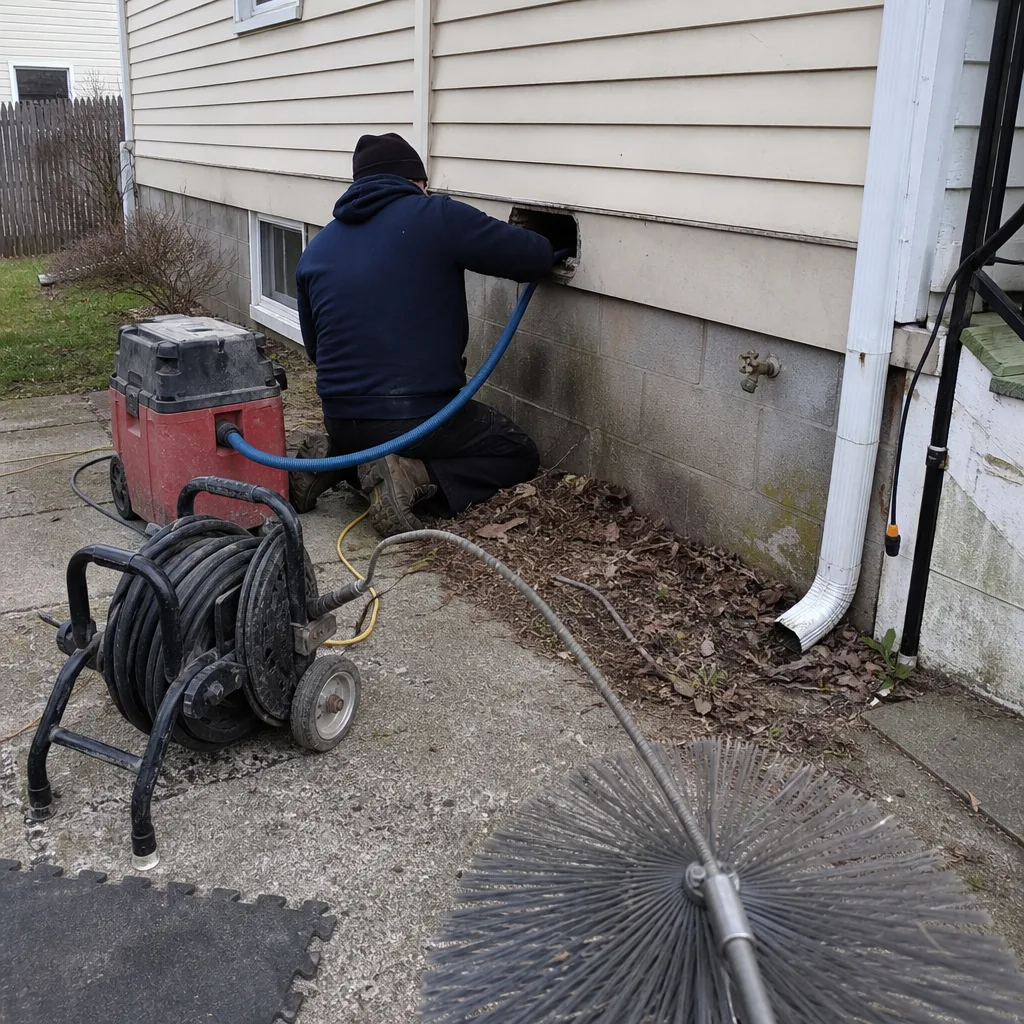 Before
 After
Frequently Asked Questions
There’s no single answer, but the useful starting point for most Cambridge homes is every two to three years, tightening from the generic three-to-five-year rule because of older housing stock, longer heating seasons, and the frequency of pre-1970 ductwork in the city. Homes with sealed modern systems and high-MERV filtration can stretch to five years. Homes with pets, more than four occupants, or no documentation of prior cleaning should plan on the shorter end. Call (888) 393-0038 for an exact quote – estimates are free.
Yes. A higher-MERV filter captures more particulate before it reaches the ductwork, which directly extends the cleaning interval. A basic fiberglass filter lets most fine dust pass through into the return side, and that dust settles on duct surfaces within the first few years. Upgrading to a pleated MERV-11 or a media cabinet from a brand like Aprilaire or Honeywell is one of the most effective scheduling interventions you can make. Confirm your blower can handle the added restriction before you upgrade.
Yes, and the cleaning should happen after the final sanding, not during the work. Construction dust from drywall, insulation fibers, and sawdust all end up in the return side within hours of the first cutting pass. Even if your ducts were cleaned recently, the renovation resets the clock. For extensive renovations or anything involving demolition, plan a second cleaning six to twelve months later to catch residual particulate. Call (888) 393-0038 for an exact quote – estimates are free.
Change your filter on a schedule that matches what the filter looks like, not what the packaging says, and inspect the return grille every few months with a flashlight. Watch for visible dust puffing from the supply registers, a musty smell when the system starts, or dust reappearing on horizontal surfaces within days of cleaning. Any of those signals is worth a call. Keeping up with filter changes is the single highest-impact habit between cleanings.
It’s a separate service. The dryer vent is its own exhaust path with its own contamination pattern, and lint accumulation in that vent is a documented residential fire risk. We offer dryer vent cleaning as a standalone service so you can address it on its own schedule, and we recommend scheduling both on the same visit when possible to save the coordination. Call (888) 393-0038 for an exact quote – estimates are free.
Ask for before-and-after photos of your own ductwork, a written scope of what was cleaned, the service date, the equipment used on the job, any repairs performed with locations noted, and the technician’s assessment of condition. This paperwork becomes your baseline for the next cleaning, so you’re measuring against a documented state rather than trying to remember what the system looked like before. Keep it with your HVAC service records.
The Bottom Line
Build your duct cleaning schedule from filter grade, occupant count, pets, ductwork era, and documentation, not from a universal three-to-five-year rule. Most Cambridge homes land at two to three years once you account for older galvanized systems and long heating seasons. Reset the interval after any renovation. Change the filter monthly-to-quarterly based on what you see. Keep the dryer vent on its own schedule. And request documentation after every cleaning so the next one starts from a known baseline instead of a guess. Cleaner air starts with clean ducts, and it depends on ducts that actually seal.
Written by the team at Duct Cleaning Cambridge.