
Last updated November 15, 2026
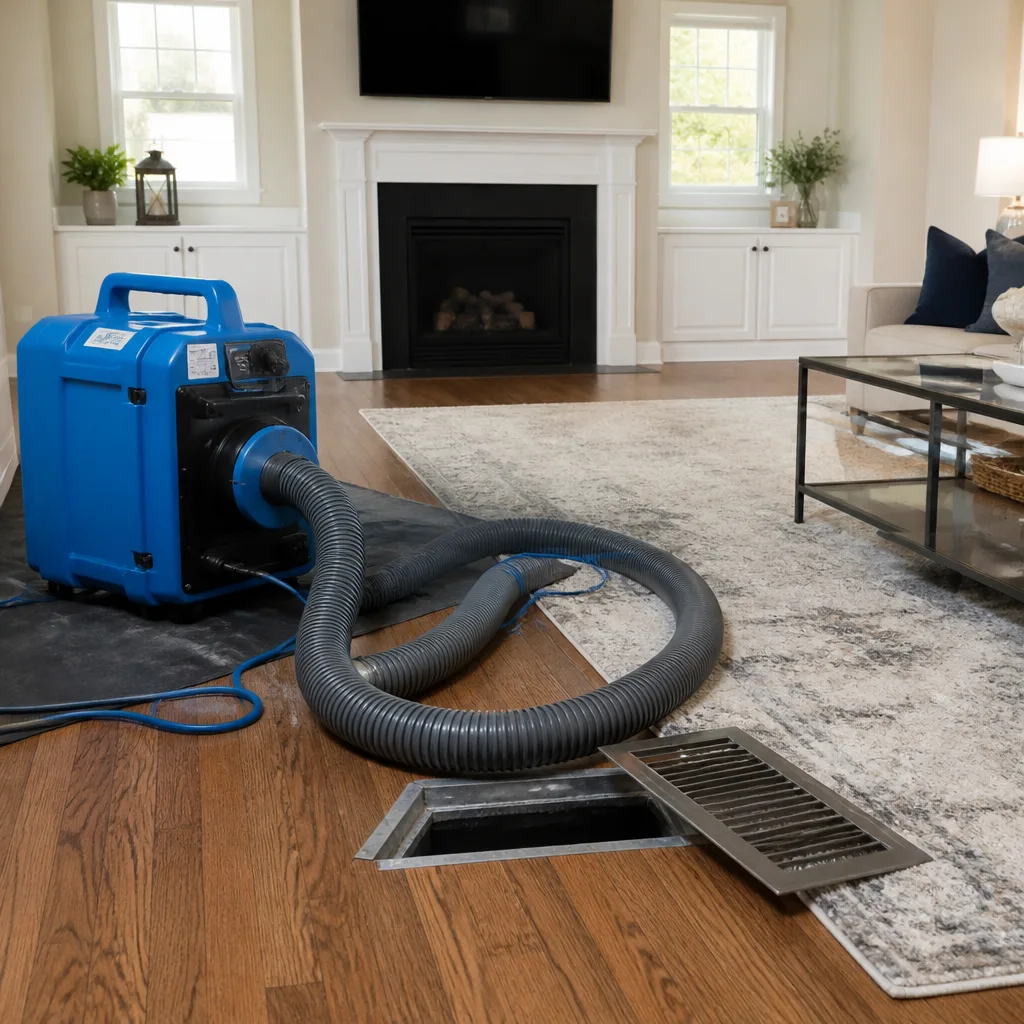 Whole-home duct cleaning
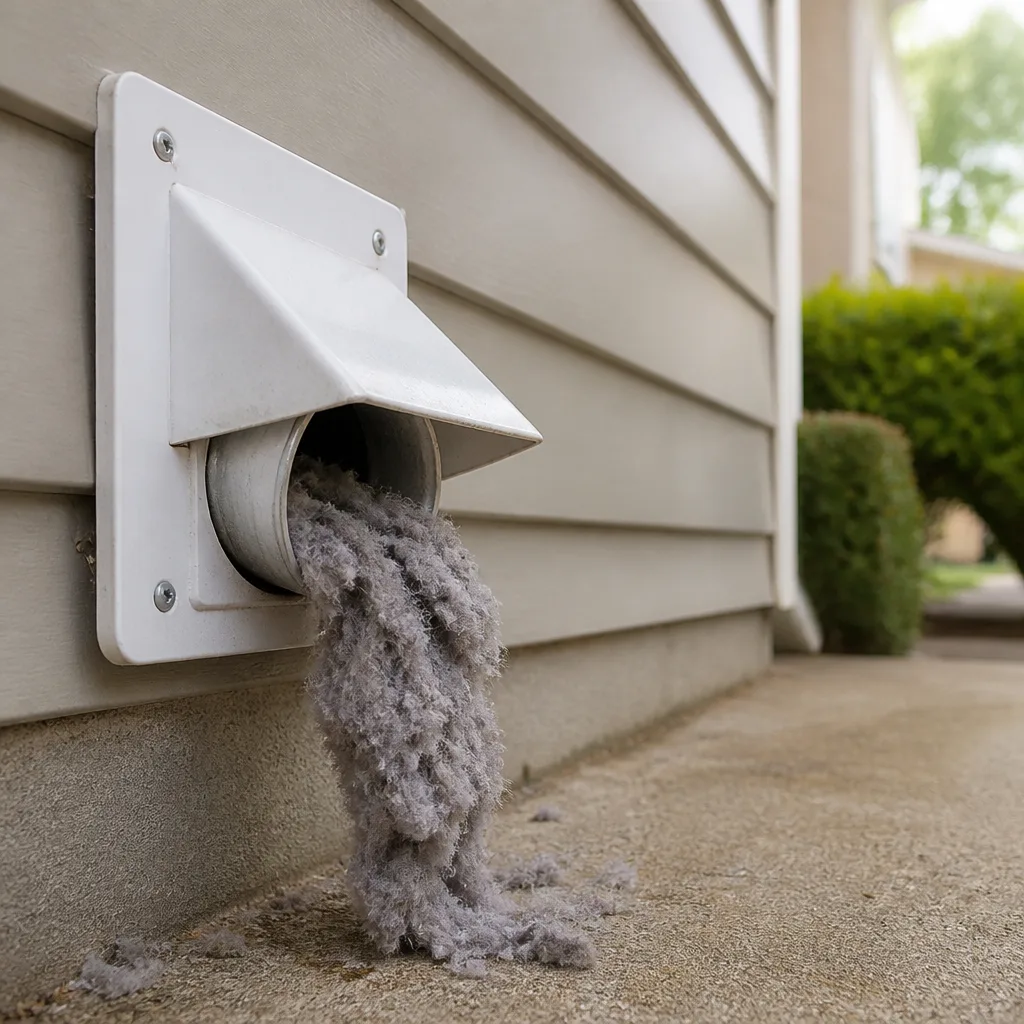 Dryer vent cleaning
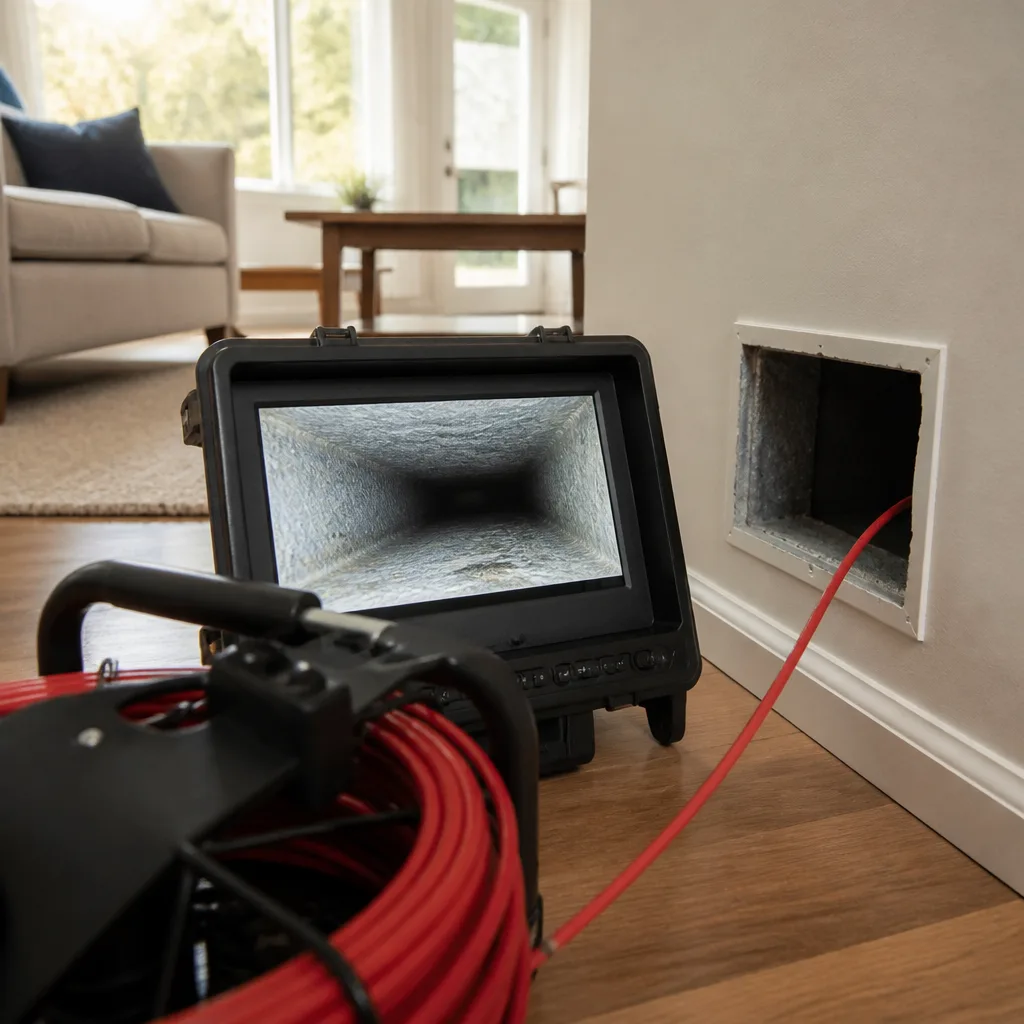 Camera inspection
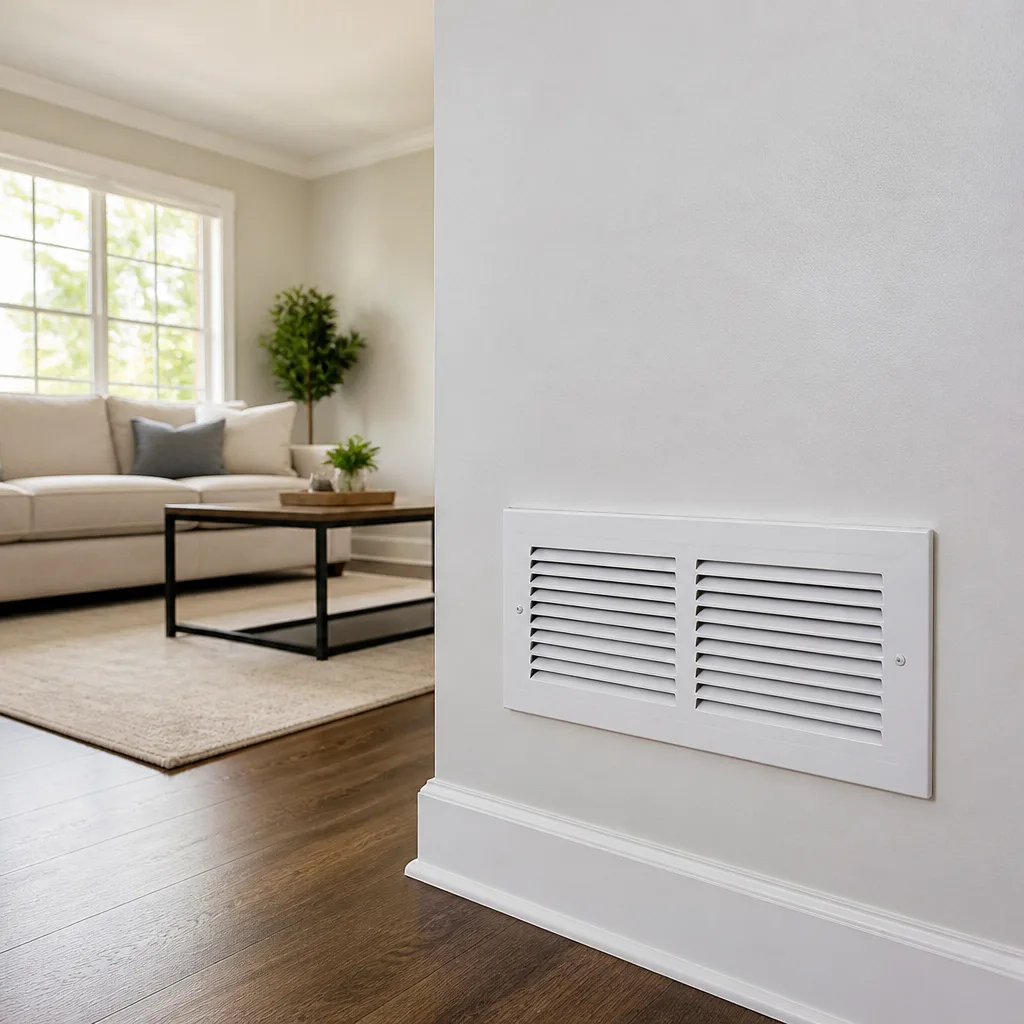 Sanitizing & deodorizing
Whole-system duct and dryer vent check with before-and-after photos - you see exactly what came out of your vents
That "$99 whole-house special" is a bait ad - the real number appears once they are in your hallway, or the "clean" is a shop-vac at the register. We photograph the inside of your ducts before and after instead.
Air Duct Cleaning Warning Signs: A Cambridge Homeowner’s Reference Guide
Most duct problems don’t announce themselves. They arrive quietly, as a faint smell that shows up only when the heat first kicks on in October, a spare bedroom that never gets warm, or a cough that lingers longer indoors than it does outside. Because these signals are small, they’re easy to explain away, and that’s exactly why they get missed. The homeowners who catch contamination early aren’t the ones with the loudest symptoms. They’re the ones who know what a normal duct system looks and smells like, and notice the moment theirs stops matching that picture.
This guide is written for that kind of homeowner. In the pages ahead you’ll learn the specific sensory and performance clues that point to dirty or damaged ducts, how to test for each one yourself in a few minutes, and how to tell the difference between a nuisance and a system that needs professional attention. Cambridge is full of older housing stock with duct systems that have decades of layered history inside them, so several of the signals below are especially worth knowing here. By the end you’ll have a checklist you can walk through room by room.
Quick Answer
The most reliable air duct cleaning warning signs are a musty or burning-dust smell that appears when the HVAC system starts up, uneven airflow from room to room, dark streaking around supply registers, allergy symptoms that track your run time rather than the outdoor pollen calendar, and visible debris after renovation or pest work. Any one of these is worth investigating. Two or more appearing together usually means the ducts are holding more than ordinary household dust, and a professional inspection is the right next step.
Styles & brands we work with
- Whole-home duct cleaning
- Dryer vent cleaning
- Camera inspection
- Sanitizing & deodorizing
Table of Contents
- What your ducts are telling you through smell
- Airflow asymmetry: the room-to-room test
- Reading your supply registers: dust vs. ghosting
- Timing your allergy symptoms against HVAC run time
- Post-renovation and post-pest indicators in older Cambridge homes
- Damage signs that mean cleaning alone won’t fix it
- The dryer vent, which is a different problem entirely
- Common mistakes to avoid
- When to call a professional
What Your Ducts Are Telling You Through Smell
Smell is the earliest and most specific warning sign a duct system produces, and it’s the one homeowners most often dismiss. That’s a mistake. Each category of odor points to a different underlying condition, and learning to sort them narrows the diagnosis before anyone opens a wall.
The musty smell is the one to take most seriously. Mustiness in a duct system usually means moisture has found a foothold somewhere in the run and something organic is growing there. Condensation on cold duct surfaces, a small leak near an air handler, or high humidity in a basement return can all feed it. In Cambridge’s older multi-family conversions, where ductwork sometimes runs through damp cellar space, this shows up more often than it does in newer construction. A musty odor on startup is a moisture question first and a cleaning question second.
The burning-dust smell you notice when the furnace first fires in autumn is different. That odor comes from dust that has settled on the heat exchanger over the warm months and is now baking off as the metal heats. A brief puff of it at the start of the season is ordinary. A burning-dust smell that persists well past the first few cycles, or returns mid-winter, suggests a thicker layer of accumulated debris than a furnace should ever carry.
Three other odors round out the list, and each has a different meaning:
- Oily or mechanical. An oily, faintly electrical smell usually points toward the blower motor rather than the ducts themselves. Debris in the ducts can contribute, but a technician should look at the motor.
- Chemical or plasticky. A sharp chemical odor can come from degrading duct lining, off-gassing insulation, or a failing component. Stop using the system and have it looked at.
- Damp-earth or cellar. Mustiness with an earthier edge often tracks back to a return duct drawing from a basement or crawl space that has its own humidity problem.
One habit worth building: pay attention to when the smell appears. If it shows up only in the first minute after the thermostat calls for heat, it’s almost always the heat exchanger or the duct surfaces nearest it. If it lingers through the whole cycle, the contamination is more spread out. That timing detail alone tells a technician a great deal.
Airflow Asymmetry: The Room-to-Room Test
Duct contamination doesn’t distribute itself evenly. Debris collects where airflow slows or where a run changes direction, which means a partially blocked system usually reveals itself as a room that no longer keeps up with the rest of the house. You can test for this without any tools, and it takes about five minutes.
- Turn the thermostat fan to “on” so the blower runs continuously, not just when heating or cooling.
- Hold the back of your hand a few inches from each supply register, one at a time, and hold it there for ten seconds.
- Note whether the airflow feels strong, moderate, or faint at each one.
- Write the results down by room. Don’t trust memory for this; the contrast is what matters.
- Repeat with all interior doors open, then with them closed, and compare the two readings.
If one or two registers stand out as noticeably weak while the rest are strong, that’s an asymmetry worth investigating. It can mean blockage in the branch serving that room, a crushed or disconnected flexible run, or a damper that’s partly closed. If every register feels weak, the problem is upstream: a clogged filter, a failing blower, or contamination in the main trunk line.
Here’s the part most guides skip. Some homes were never designed with even distribution in mind. Plenty of older Cambridge two- and three-family buildings have duct runs that were added or extended over the years, mixing original sheet metal with later flexible duct, and the resulting airflow is genuinely lopsided by design. The room-to-room test tells you the distribution is uneven. It doesn’t tell you why. That’s the difference between a cleaning job and a design problem, and it’s why a professional walkthrough matters before anyone quotes you.
A useful cross-check: if the weak room is on the far end of the house from the air handler, blockage or leakage in the run is the likely culprit. If a weak room sits close to the air handler and a distant room is fine, the damper and design question becomes more relevant. We’ve seen both in Cambridge homes, and the fix is different each time.
Reading Your Supply Registers: Dust vs. Ghosting
Pop the grille off a supply register and look inside with a flashlight. What you see there is the most direct visual evidence a homeowner can gather, and the difference between normal and abnormal is clearer than people expect.
Normal dust accumulation is fine, light, and even. It looks like a pale film of household dust, and it wipes away easily. Nearly every register in a working home has some of it, and it isn’t a reason to call anyone.
What’s abnormal is the gray-black streaking that radon inspectors and duct technicians call ghosting, sometimes also called filtration soil. It shows up as dark, smudge-like striping around the edges of a register or along the face of the grille, and it looks like someone dragged a sooty thumb across the vent. Ghosting happens when fine carbon-rich particles get pulled toward the register face by static and slow airflow over a long period. When you see it at multiple registers, it usually means the whole system is carrying more fine particulate load than it should. One visible streak is a curiosity. Ghosting at four or five registers in the same house is a pattern.
Three more register-level signs are worth checking:
- Visible debris right inside the boot. A dust film is fine. Fibrous material, hair, or flakes of plaster inside the boot mean the run is collecting more than airborne dust.
- Discoloration on the grille face. Dark patches or repeating smudge patterns on the face of the grille point to sustained contaminant flow, not a one-off.
- Loose material or a broken seal at the boot. If the duct doesn’t meet the register cleanly, unfiltered air from the wall cavity is mixing into your supply air, and that’s a repair question.
Do this inspection with the fan running so air is moving while you look. Then do it again the next day. Patterns that show up consistently are the ones that matter.
Timing Your Allergy Symptoms Against HVAC Run Time
Health symptoms are the most subjective sign on this list, which is exactly why they need a structured approach rather than a hunch. Plenty of people assume their symptoms mean dirty ducts when the actual pattern points outdoors, and others dismiss a genuine indoor trigger as “just allergies.” A simple symptom journal sorts the two apart.
Here’s how to run one:
- For two weeks, note when symptoms start, how bad they are on a simple scale, and where you were when they began.
- Log the time of day and whether the HVAC system was running.
- Log the weather. Note wind, rain, and whether windows were open.
- At the end, look for correlation. Symptoms that peak with outdoor wind or after a rain are usually outdoor-triggered. Symptoms that start within a short window of the system coming on, or are worse in rooms with the strongest airflow, point indoors.
The pattern to look for with dirty ducts isn’t “I feel worse at home.” It’s “I feel worse when the system is actively running.” If you sneeze or get congested right after the fan kicks on, then feel better during the long stretches when the fan is off and the house is quiet, that’s a strong indoor-HVAC correlation.
Two more timing clues are worth noting. Symptoms that get better when you’re away from home for a stretch and return when you come back point to an indoor cause. Symptoms that track the calendar rather than the system usually point outdoors. We’re careful here to say that clean ducts support better indoor air as a general benefit. We can’t promise a medical outcome, and anyone selling duct cleaning as a cure is overselling it. What we can do is clean and repair the system so it isn’t contributing contaminated air to the house, and the journal gives you a clear basis for deciding.
Post-Renovation and Post-Pest Indicators in Older Cambridge Homes
Cambridge’s housing runs heavily toward older construction: triple-deckers, brick rowhouses, Victorians converted to condos. Renovation and pest work in those buildings tends to leave more behind in the ducts than the same work would in new construction, and the indicators are specific enough to look for directly.
After a renovation, look for:
- Plaster and lath dust. Finely ground white or gray powder, far finer and grittier than normal household dust, that reappears on surfaces even after repeated cleaning. This finds its way into return ducts and settles in the run.
- Drywall and joint compound residue. A chalky, slightly sticky film inside registers, often appearing weeks after the work wrapped.
- Wood dust and fibers. Sawdust and wood fibers visible in the boot when you remove the register lie closer to the airflow path than you want.
After pest work in an older building, the picture gets sharper. Rodent activity typically leaves droppings, chewed insulation, and nesting material inside duct runs, especially where flexible duct has been added alongside original sheet metal. Any of that inside a duct is a contamination issue and a health concern, and it’s not something household cleaning products reach. Pest treatment residue is a separate problem: powders and dusts applied in wall cavities and crawl spaces can find their way into returns, and once they’re deposited in the duct lining they don’t float away on their own.
One more Cambridge-specific wrinkle. Older buildings frequently have ductwork that’s been extended or retrofitted over the years, so a single house may contain original galvanized steel, added flexible duct, and a section of insulated run in the same system. Each material holds debris differently and each needs a different approach to clean without damaging it. This is one of the reasons we come equipped with professional-grade systems rather than a consumer vacuum. An air duct cleaning visit in Cambridge involves inspecting what’s actually inside the walls, not just vacuuming from a register.
Damage Signs That Mean Cleaning Alone Won’t Fix It
Some of what looks like a cleaning problem is really a repair problem wearing a disguise. Duct contamination and duct damage produce overlapping symptoms, and telling them apart matters because cleaning a compromised system leaves the actual problem in place. If you have any of the following, the system needs inspection for physical failure, not just debris:
- Visible gaps or disconnected joints. Look at accessible runs in the basement or attic. A section that has come apart at a seam is leaking air into the wall cavity, and it will keep doing so after a cleaning.
- Sagging or crushed flexible duct. Flexible duct that has collapsed, kinked, or sagged is restricting airflow regardless of how clean it is.
- Torn or crumbling duct lining. Interior insulation lining that has started to break down releases fibers into the airstream. That’s a repair, not maintenance.
- Rusted or corroded sheet metal. Corrosion points to past or present moisture, which often means there’s a growth condition the cleaning needs to address along with the damaged section.
- Condensation and standing water. Any moisture inside a duct run is a problem in its own right and needs to be traced.
- Uneven pressure or strong drafts around registers. Leaky ductwork often reveals itself as a whistling register or a draft around the grille frame.
The good news is that cleaning and repair belong together in one visit. The comprehensive approach we take is a professional-grade cleaning followed by a physical inspection of every accessible run, using a Rotobrush rotary brush and a Nikro HEPA-rated vacuum to remove debris and contain it as we go. If we find compromised ductwork during a cleaning, we can diagnose and repair it in the same visit rather than handing you off to another contractor. Cleaner air starts with clean ducts, and ducts that actually seal. That’s the whole job.
We also work with indoor air quality hardware from Honeywell and Aprilaire, which lets us connect a cleaning to a longer-term improvement where the system would benefit: a humidifier, a filtration component, or a control that keeps the house from swinging between dry and damp. Those aren’t fixes for dirty ducts; they’re the next step after the ducts are clean and sound.
The Dryer Vent, Which Is a Different Problem Entirely
Your dryer vent is not part of your HVAC duct system, and the warning signs are different. That distinction trips people up. The dryer vent is the single duct run that carries hot, moisture-laden air and lint out of the house, and lint buildup in it is a documented residential fire risk rather than an air-quality annoyance.
The warning signs of a restricted dryer vent are more obvious than duct symptoms once you know them:
- Clothes take noticeably longer to dry than they used to, or a cycle leaves them damp.
- The dryer body or the laundry area is unusually warm, or hot to the touch on the outside.
- The exterior vent flap doesn’t open fully when the dryer runs, or lint accumulates around it.
- A burning or overheated smell around the appliance.
- The lint trap fills faster than usual.
Any of these is worth having checked. dryer vent cleaning is a standalone service rather than a cleaning add-on, and it’s worth treating as a distinct piece of home maintenance in its own right. If you can’t remember when the vent was last cleared, that’s a reasonable cue to have it done. We’ve seen plenty of Cambridge homes where the vent run is long or has more than one elbow, and those configurations collect lint faster than a short, straight run.
Common Mistakes to Avoid
- Assuming a fancy filter eliminates duct cleaning. A high-MERV filter protects your equipment, but it doesn’t clean the duct surfaces, and a very restrictive filter can actually lower airflow enough to change how debris collects. Match the filter to your equipment and clean the ducts and you’re covered.
- Judging a company by the price of the estimate. The cheapest quote is often just the number before the real work is scoped. Get a written estimate that’s per system rather than per vent, and ask what equipment is being used. If the answer is vague, that’s your answer.
- Cleaning first when the ducts are damaged. If the system has failed seals or crushed runs, cleaning leaves the problem untouched. Have the system inspected for damage before you commit to the cleaning scope.
- Doing a DIY job with a shop vac. A household vacuum can’t reach past a register and doesn’t contain fine particulate. The risk is that you stir up settled material into the airstream without removing it. This is one of the reasons a professional-grade setup matters here.
- Ignoring the dryer vent while you fix the HVAC ducts. These are separate systems and separate problems. Getting the heating-and-cooling side clean does nothing for the dryer fire risk if the vent is still packed with lint.
- Writing off the smell as “just the house”. In older Cambridge buildings especially, it’s easy to accept a persistent smell as normal. It usually isn’t. It’s a signal worth checking.
- Sampling the air with a paper towel. Wiping one register once doesn’t count as an inspection. Repeat the check across multiple rooms on two different days and see if the pattern holds.
If you’re in Cambridge and unsure whether you’re looking at a cleaning job or a repair job, the fastest path is a walkthrough. Our technicians have up to 11 years of experience, and we’ll tell you what we find, including when the answer is “you don’t need us right now.”
When to Call a Professional
Some of the signs in this guide are worth watching, and some are worth calling about. Call us when you notice any of these:
- A musty or burning-dust smell that comes back every time the system runs.
- Gray-black ghosting at multiple registers.
- A room that has stopped keeping up with the rest of the house despite a clear duct path.
- Visible debris or rodent material inside a duct or boot.
- Symptoms that track HVAC run time rather than the outdoor season.
- Duct damage you can see in the basement or attic.
- A dryer taking longer than it used to.
Duct Cleaning Cambridge offers free estimates in Cambridge. We scope the job per system, agree one price before work starts, and share before-and-after photos of your own ducts so you can see exactly what was removed. We work with Rotobrush, Nikro, and Abatement Technologies equipment depending on the job, which means we’re set up for the containment and filtration that some older Cambridge homes need. Call (888) 393-0038. We answer 24/7. Fast dispatch from 7am to 7pm, Sunday through Friday.
See the difference
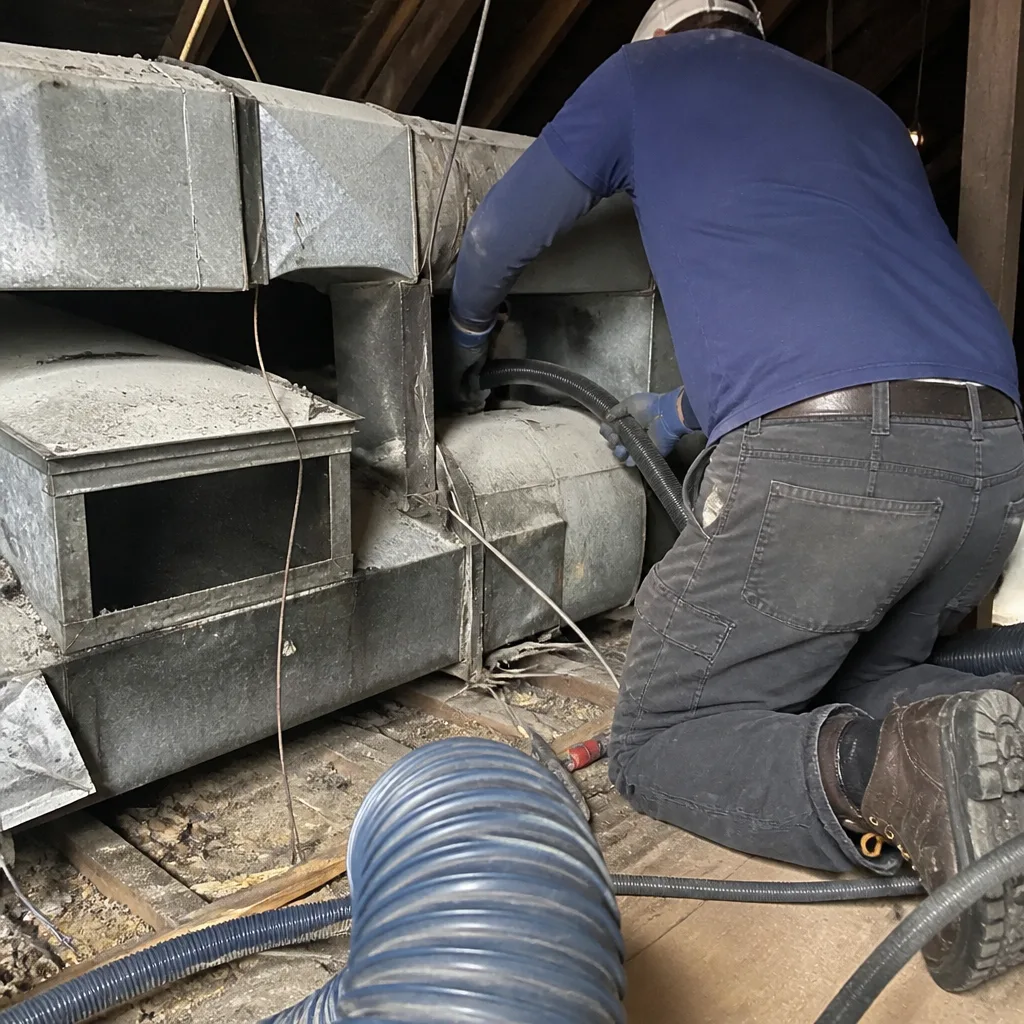 Before
 After
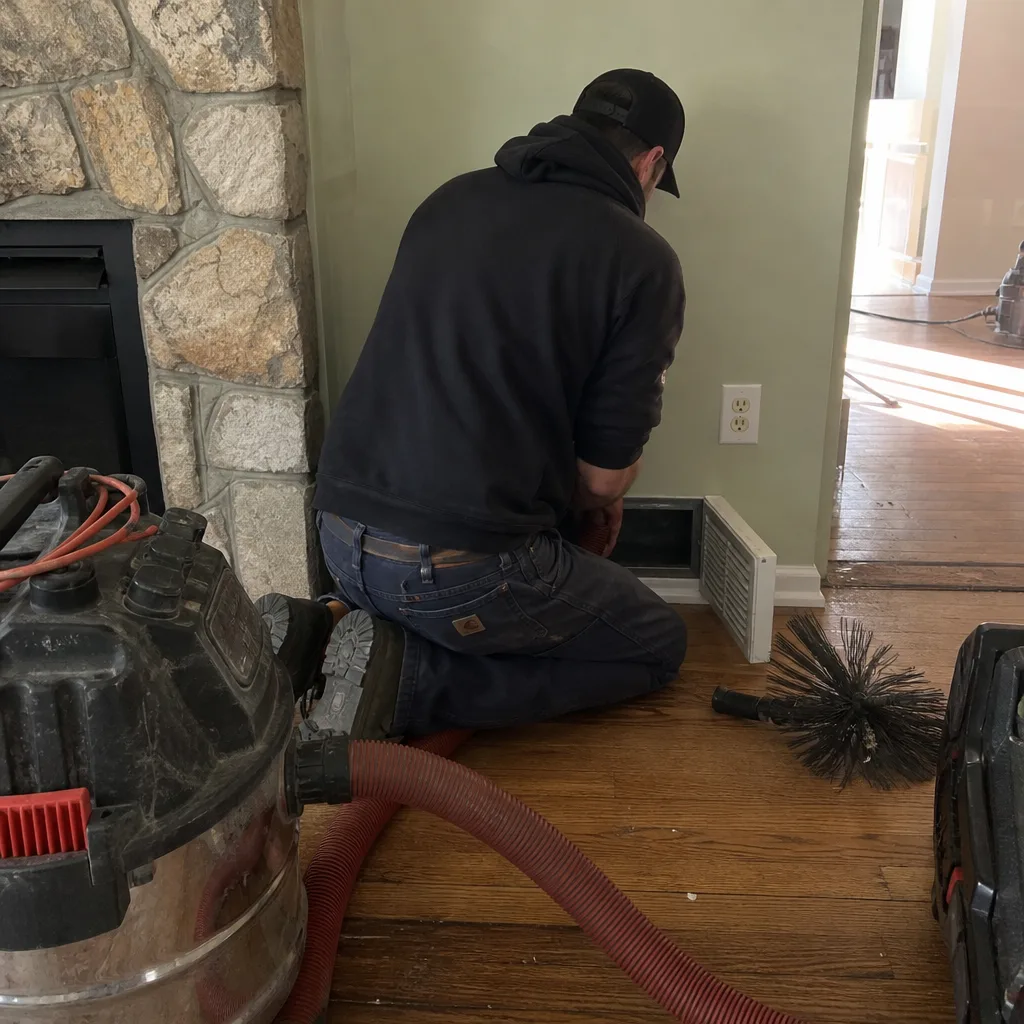 Before
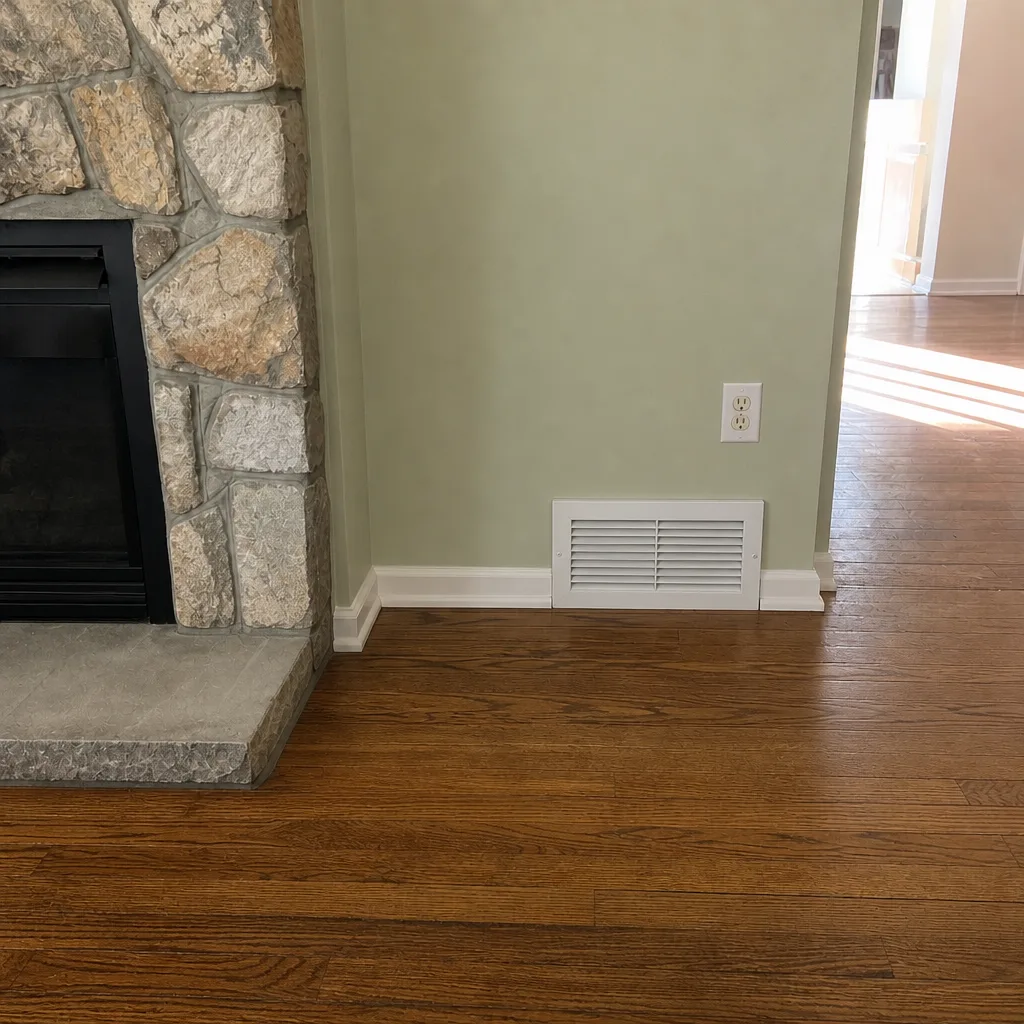 After
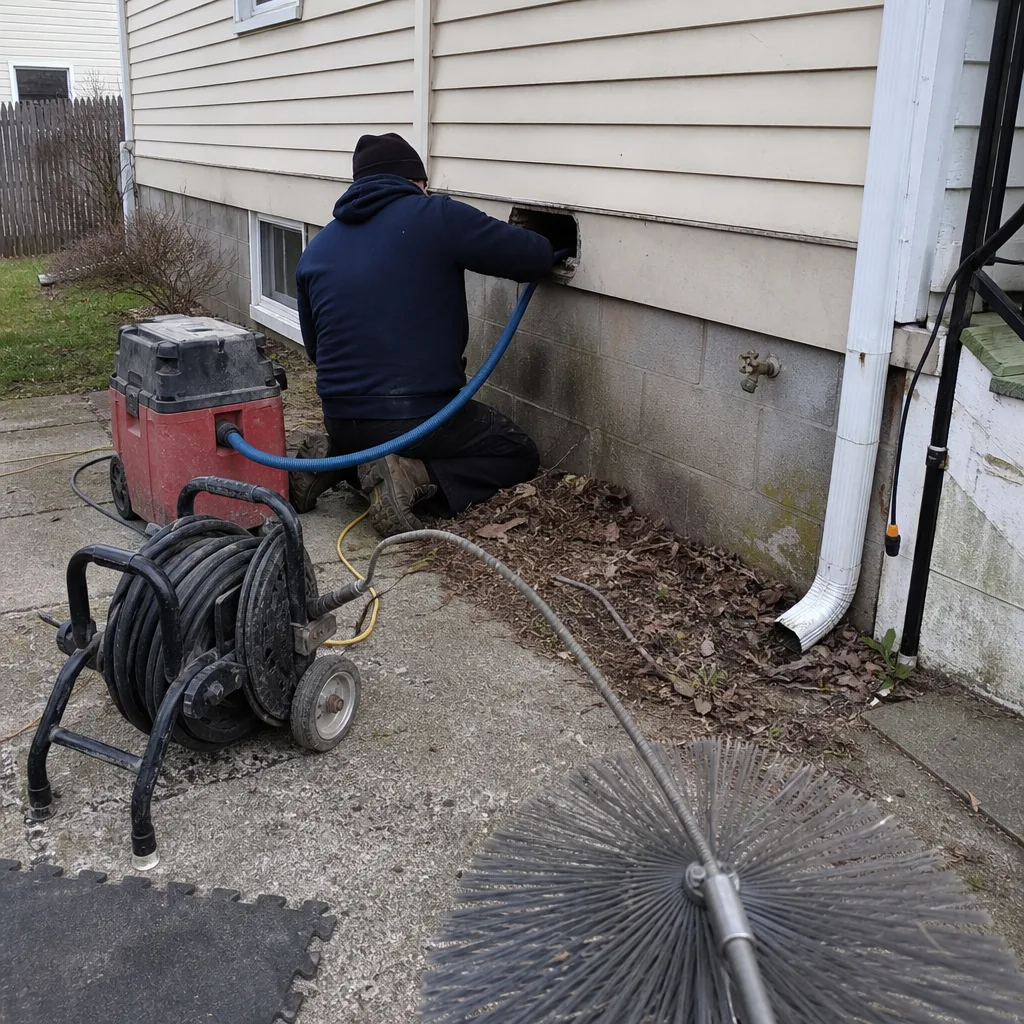 Before
 After
Frequently Asked Questions
You need cleaning when you have a specific signal rather than a general sense that the house is dusty. The strongest signals are a musty or burning-dust smell on startup, ghosting at multiple registers, and visible debris inside the duct. Timing-based symptom patterns and post-renovation contamination are also valid triggers. A walkthrough can confirm what you’re seeing before you commit to a full cleaning.
It can be. A musty odor that shows up consistently when the system runs is one of the most reliable indicators that moisture has reached somewhere in the duct run, and in older Cambridge homes moisture in cavity-adjacent ductwork is common. A one-time smell after a damp stretch is worth noting. A repeating pattern is worth investigating. Call (888) 393-0038 for a free estimate.
Clean ducts support better indoor air quality, and a system carrying fine particulate or biological material does contribute to the load in your air. We can’t promise a specific medical result, and none is guaranteed. What we can tell you is whether the ducts are carrying contamination and whether the system is damaged, and those are the actionable parts. The symptom journal in this guide helps you make that case with evidence, not a hunch.
Low quotes are usually scoped per vent rather than per system, and they often don’t include the containment or inspection that a proper job requires. The number you see is the start, not the finish. Ask what equipment is used and what a per-system price looks like. A written estimate, agreed before the work starts, is the way to avoid a surprise invoice. Call (888) 393-0038 for an exact quote. Estimates are free.
Often, yes. Buildings of this era frequently mix original sheet metal with added flexible duct and insulated runs, and each material collects debris differently and needs a different cleaning approach. Cavity contamination from renovation and pest work is also more common in older housing. The work scope is set by what’s actually in the walls, not by the age of the house.
They’re separate services. dryer vent cleaning is offered standalone because lint buildup in the vent is a real fire risk and has nothing to do with your HVAC ducts. If your dryer is taking longer than it used to, get the vent checked independently of any duct cleaning you’re planning. Book both and we can scope them together.
The Bottom Line
Duct warning signs are almost never dramatic. They’re a smell that comes back each season, a spare room that stopped keeping up, dark streaks on a register, a cough that tracks the furnace, or a dusty film after a renovation in a Cambridge triple-decker. Any one signal deserves a look. Two or more together usually means real contamination or a damaged run. The next step is a professional walkthrough that confirms what you’re seeing and scopes a per-system price before anything begins. We clean it, and if it’s broken, we fix it, with the same professional-grade equipment used in remediation work.
Call Duct Cleaning Cambridge at (888) 393-0038 for a free estimate on duct cleaning, dryer vent cleaning, or duct repair anywhere in Cambridge. We answer 24/7. Fast dispatch from 7am to 7pm, Sunday through Friday.
For a walkthrough of everything we do, start with Duct Cleaning Cambridge.
Written by the team at Duct Cleaning Cambridge.