
Last updated November 15, 2026
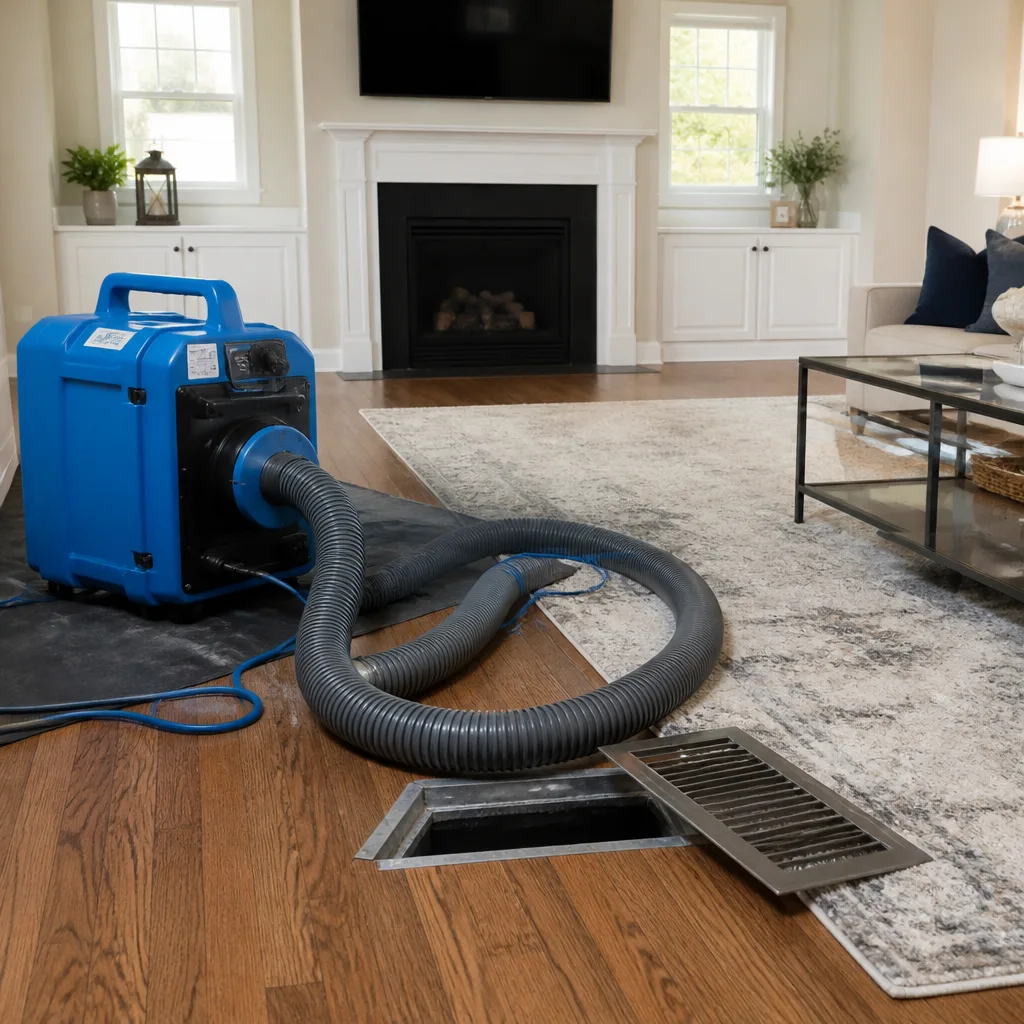 Whole-home duct cleaning
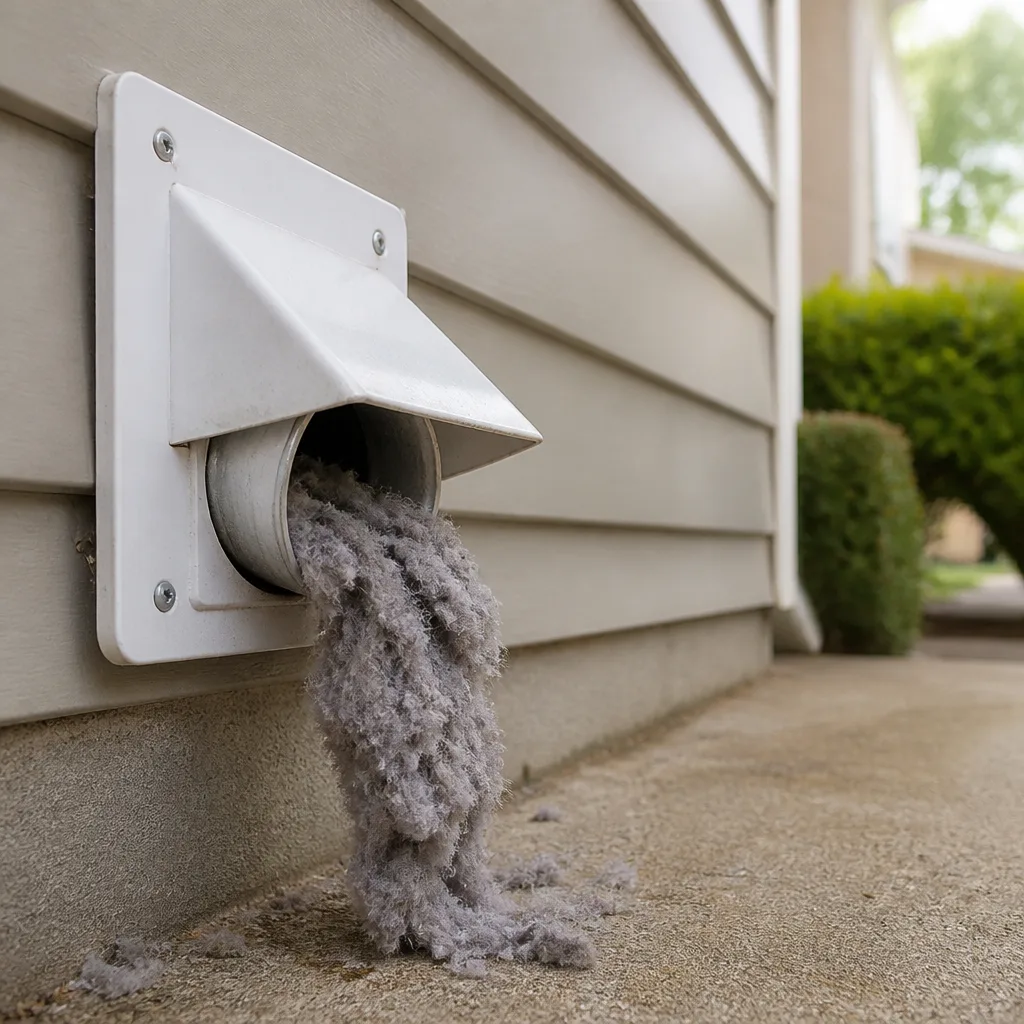 Dryer vent cleaning
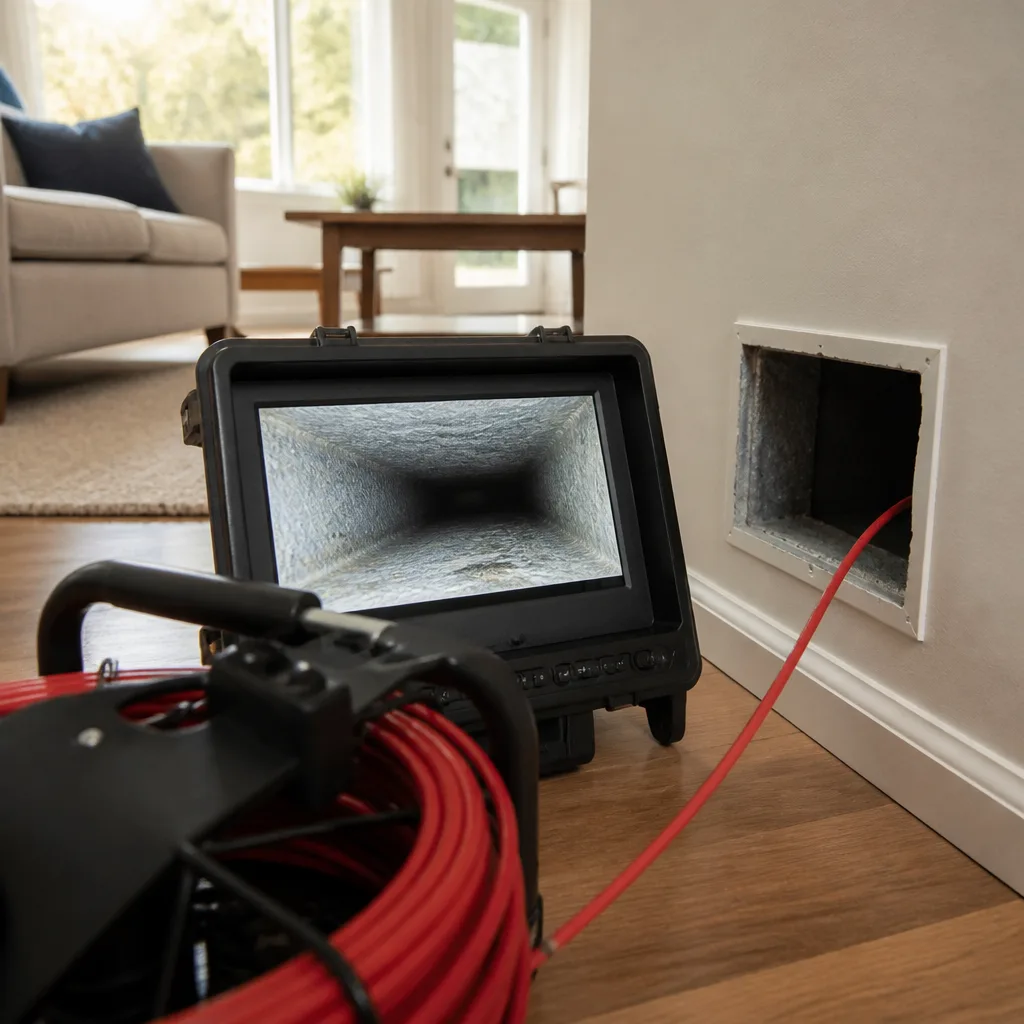 Camera inspection
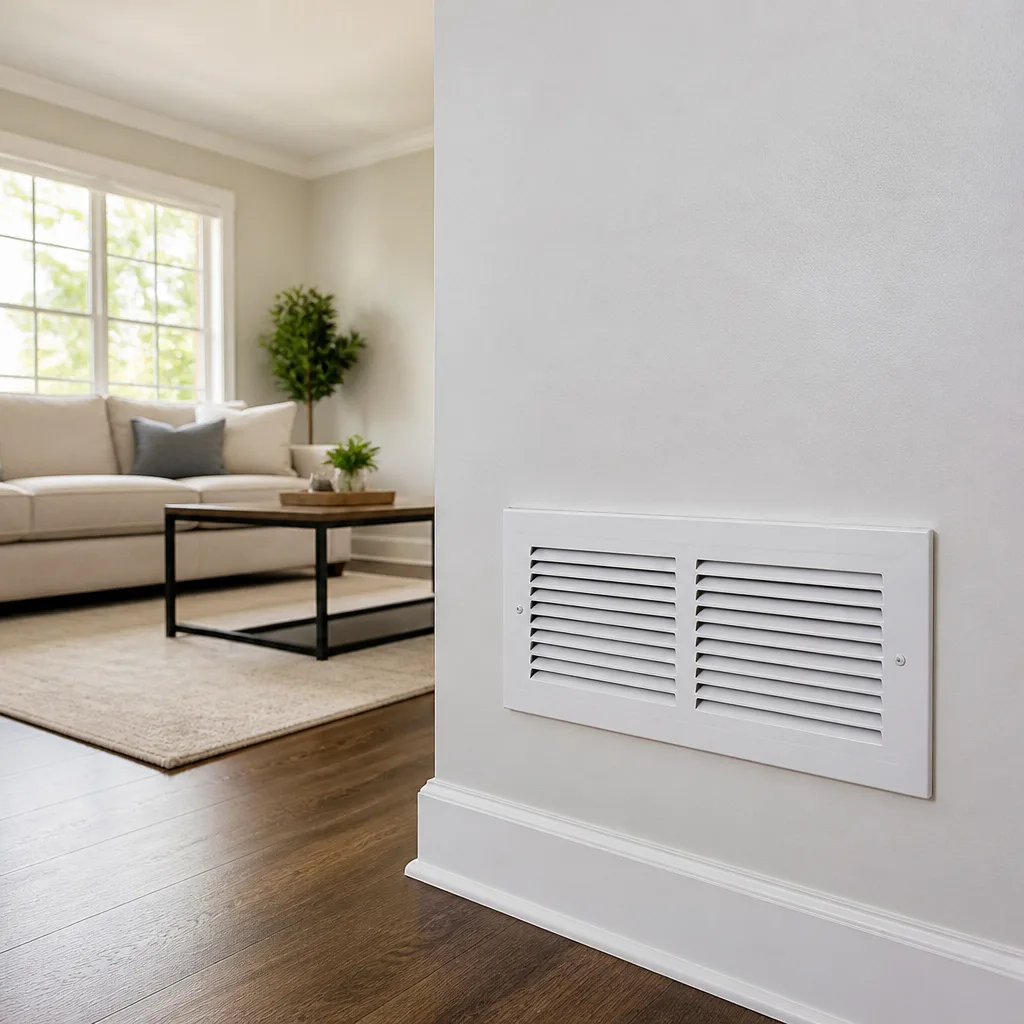 Sanitizing & deodorizing
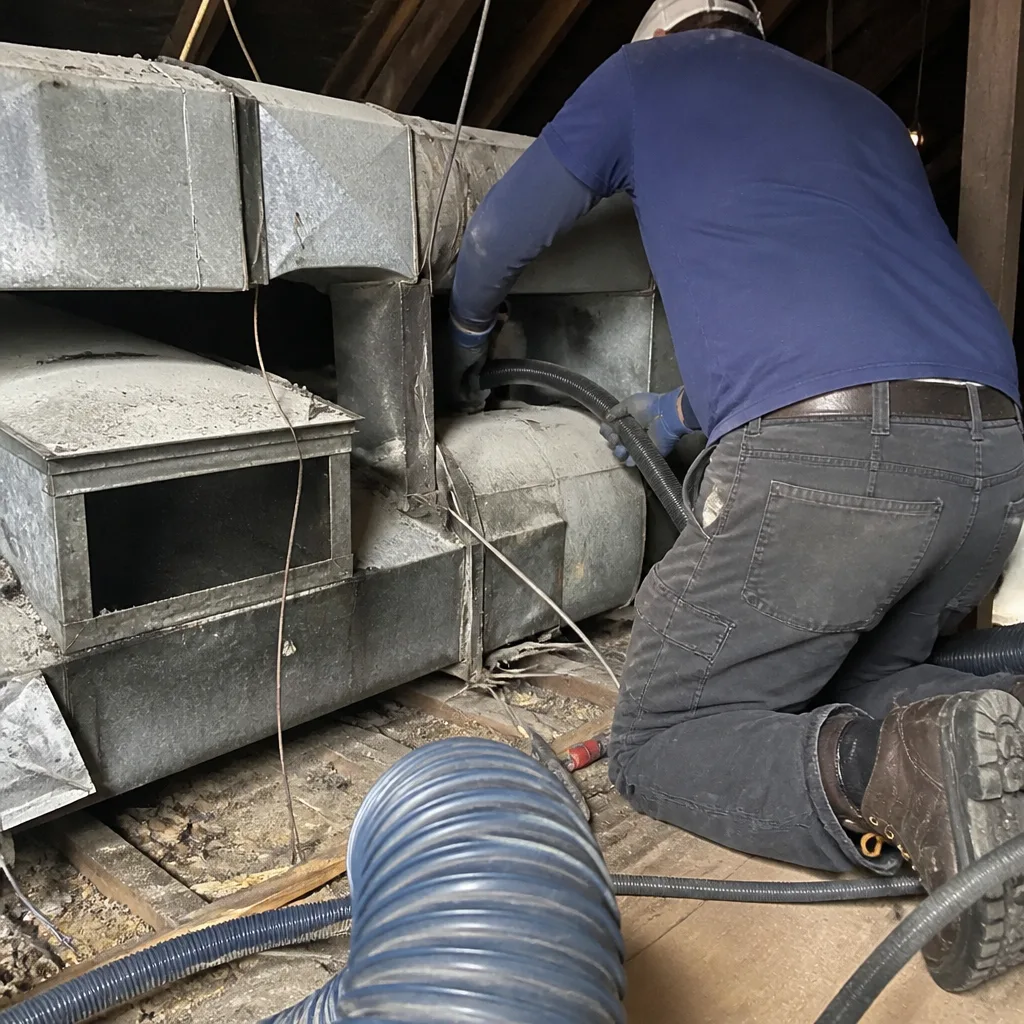
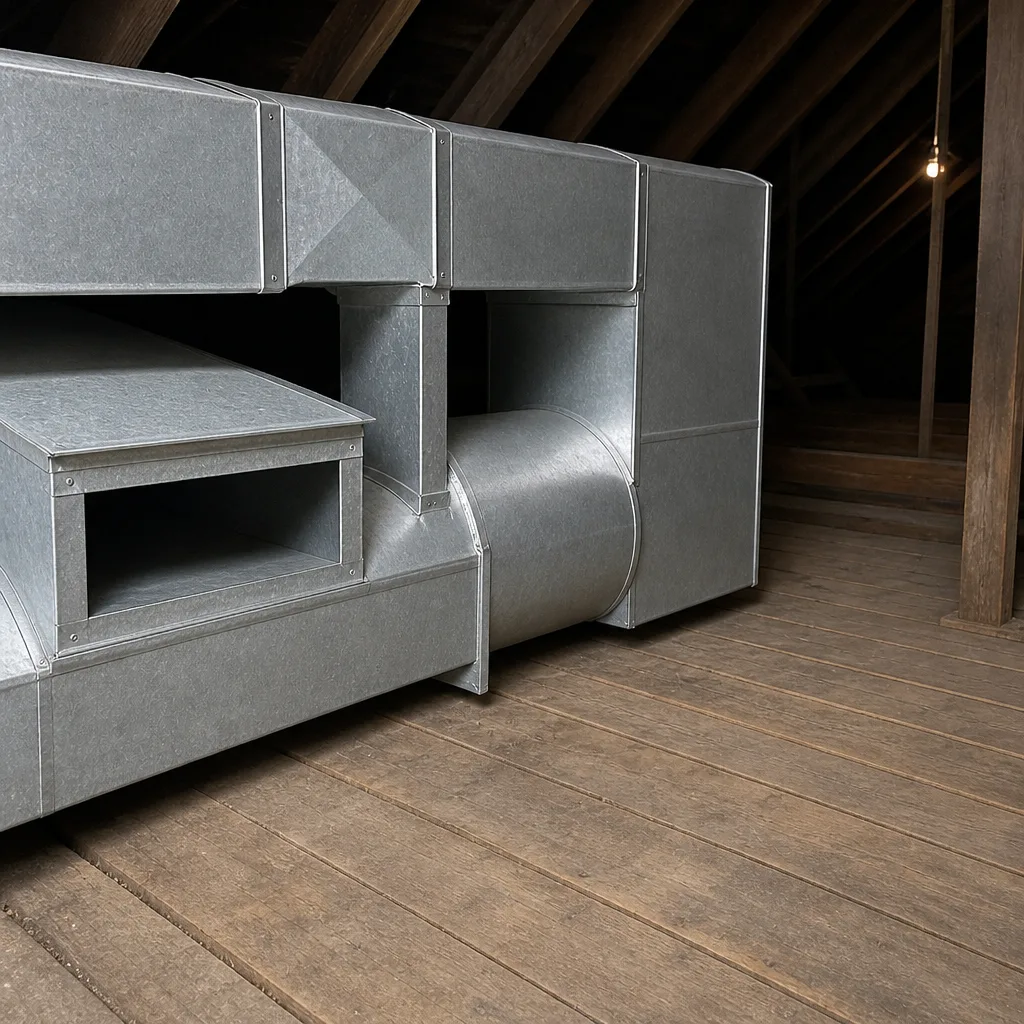
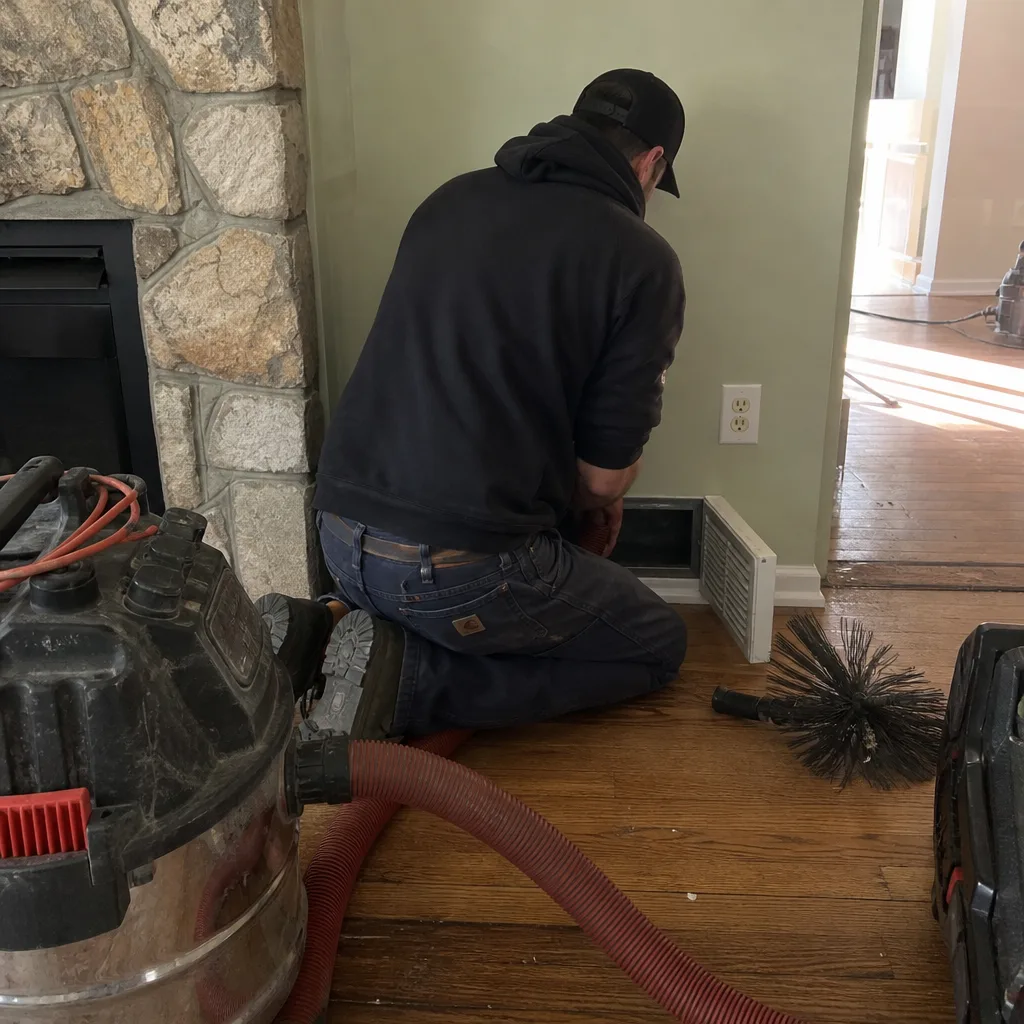
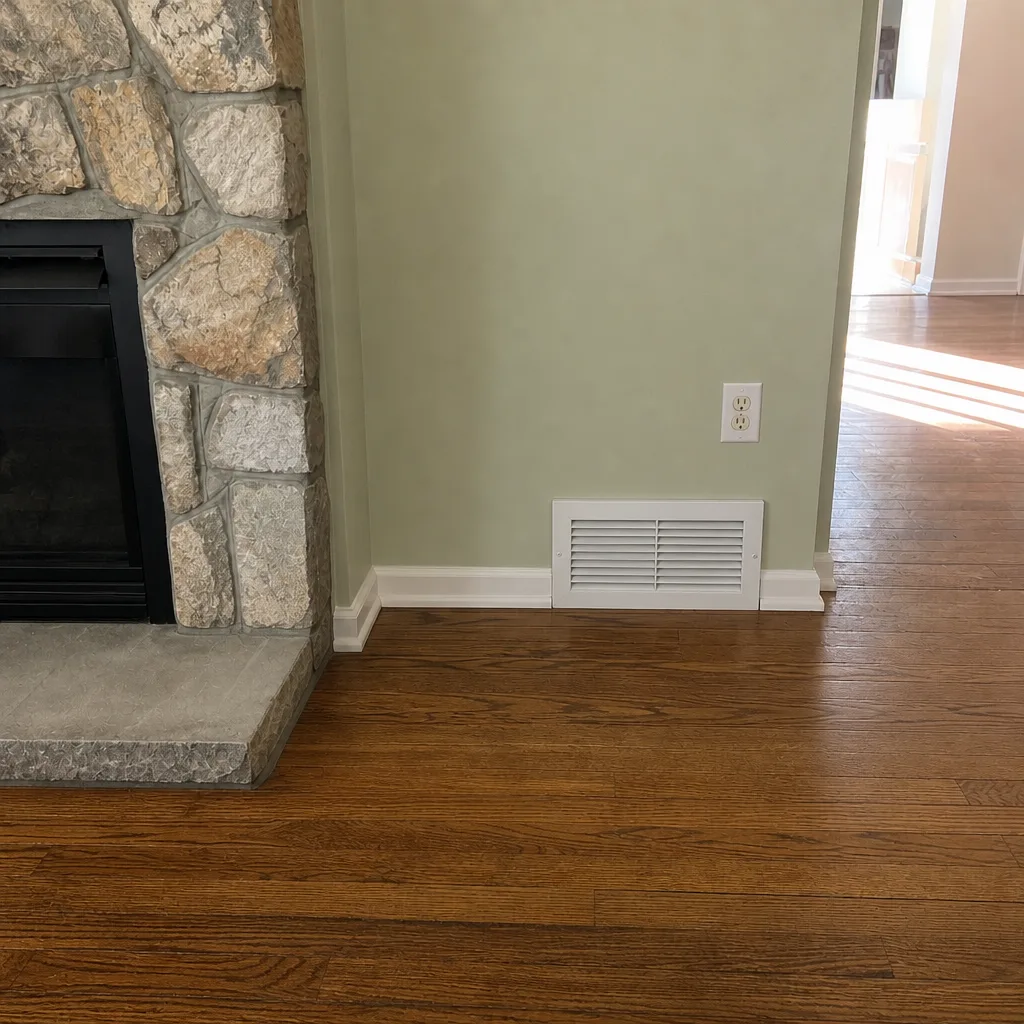
Whole-system duct and dryer vent check with before-and-after photos - you see exactly what came out of your vents
That "$99 whole-house special" is a bait ad - the real number appears once they are in your hallway, or the "clean" is a shop-vac at the register. We photograph the inside of your ducts before and after instead.
Choosing the Right Air Duct Cleaning Brand: A Buyer’s Guide for Cambridge
Most homeowners judge a duct cleaning company by the van, the quote, or the phone manner. The equipment stays a mystery until it’s in the hallway. That’s backwards. Rotobrush, Nikro, and Abatement Technologies aren’t brand names invented for a brochure – they’re equipment categories with specific mechanical capabilities that decide whether cleaning reaches the contamination inside your ducts or just the surface around it. A company can talk about “deep cleaning” all day; the machine on the floor tells you what will actually happen. This guide walks through what professional-grade systems do differently, how to verify a claim before you book, and what a “portable” unit really means in Cambridge’s tight triple-decker blocks, where a truck often can’t get near the building.
Quick Answer
The right air duct cleaning brand in Cambridge is the one that names its equipment and can prove it: a rotary brush system like Rotobrush for contact cleaning, a HEPA-rated negative air machine like Nikro or Abatement Technologies for containment, and a crew that brings both to your site. Ask for model numbers, look up their specs, and confirm the equipment isn’t rented for the day. If a company can’t explain what its machine does mechanically, that’s the answer you need.
Styles & brands we work with
- Whole-home duct cleaning
- Dryer vent cleaning
- Camera inspection
- Sanitizing & deodorizing
Table of Contents
- What Professional Duct Cleaning Equipment Actually Does
- Rotobrush: Why Brush and Vacuum Together Beat Air Alone
- Nikro and Abatement Technologies: Negative Air and HEPA Containment
- Truck-Mounted vs. Portable Systems in Cambridge
- How to Verify Equipment Claims Before You Hire
- Repair and Dryer Vent: The Full Duct System Picture
- Equipment Red Flags to Watch For
- Questions to Ask Every Duct Cleaning Company
What Professional Duct Cleaning Equipment Actually Does
A professional duct cleaning system does two jobs at once: it dislodges contamination from the duct wall and it captures that contamination before it can drift back into your living space. Both halves matter. A machine that agitates without capturing just moves dust from the ducts into the air you’re breathing. A machine that captures without agitating pulls the loose surface dust and leaves the bonded layer stuck to the metal and flex.
Here’s what the equipment categories actually break down to:
- Contact tools – rotary brushes and whips that physically touch the duct interior and break contamination loose from the wall.
- Negative air machines – HEPA-filtered units that hold the duct system under negative pressure, so loosened debris travels to the filter instead of into the room.
- Air filtration and containment gear – units placed at the air handler and openings to keep fine particulate out of the occupied space during the job.
- Inspection tools – cameras and access cut-ins that let a technician see what’s actually inside before and after.
In Cambridge, this matters for reasons that go beyond air quality. A lot of housing stock here is old and densely packed: triple-deckers, converted Victorians, mid-century apartment blocks near Porter and Inman, and tight streets around Harvard and Central where a full-size truck can’t always pull up to the door. When a crew has to work from a parking spot two buildings away, containment at the air handler becomes the difference between a clean system and a fine dusting over every surface in the unit. The equipment decides that, not the sales pitch. If you want the broader picture of what the process should look like, our air duct cleaning page covers the sequence step by step.
Rotobrush: Why Brush and Vacuum Together Beat Air Alone
Rotobrush systems work by continuous contact brushing with simultaneous vacuum extraction. A flexible rotary brush feeds through the duct, spins against the interior surface, and lifts contamination off the wall while the vacuum pulls it into a HEPA-rated collection unit. The brush and vacuum run as one operation, not as two separate visits. That’s the mechanical detail that separates a real clean from a surface pass.
Compare that to air-only agitation. Compressed air whips and blowers are legitimate tools, but on their own they push dust into suspension and hope the vacuum catches it downstream. Without negative pressure holding the system, some of that debris settles back onto the duct wall, and some escapes through gaps in your registers or return grilles. The customer sees a tidy van and a smiling technician; a week later the dust is back and nobody knows why.
We favor Rotobrush systems for residential work because the brush reaches contamination that a vacuum alone can’t lift. Bonded dust, pet hair matted to flex duct, and the sticky film that builds up near kitchen returns all need mechanical contact. A vacuum pulls loose debris; a brush and vacuum together remove the layer that’s actually attached.
A few practical things to know:
- Rotobrush units are portable, which means they work in buildings where a truck-mounted hose can’t reach. In Cambridge, that’s most of the housing stock.
- The brush head must match the duct type. Metal round duct, rectangular trunk line, and flex all get different tooling.
- The vacuum runs continuously during brushing. If a crew stops the extraction while they brush, ask why.
- Access points are cut where needed and sealed afterward. Expect at least one access cut on a typical residential system.
For the full residential process, including how we sequence cleanings room by room, see Duct Cleaning Cambridge.
Nikro and Abatement Technologies: Negative Air and HEPA Containment
Nikro and Abatement Technologies make negative air machines and air filtration units – HEPA-filtered systems that pull air through a high-efficiency filter and hold the duct network under negative pressure. Where the rotary brush does the cleaning, the negative air machine does the containing. If a crew skips this step, they’re leaving the most important half of the job undone.
Here’s how to think about the numbers. Negative air machines are rated in CFM – cubic feet per minute of airflow they can move through the filter. Larger duct systems need larger capacities to hold containment. A 3,000-square-foot Cambridge Victorian with an extended trunk line runs a bigger volume than a 900-square-foot apartment, and the machine has to match. If a company shows up with a unit rated well below what your system needs, the negative pressure won’t hold and debris will escape at every gap.
Placement matters as much as capacity. The machine typically sits at the air handler and ties into the system so the whole duct network stays under suction while the technician works a specific branch. Abatement Technologies units are used in remediation and restoration work for exactly this reason: they hold containment in settings where airborne particulate is a real problem. When we bring that class of equipment into a Cambridge home, the customer gets the same containment standard a remediation job would.
What to check on the day:
- Confirm the negative air machine is running before any brush goes into a duct.
- Ask where the HEPA exhaust is vented and why.
- Check that the filter is a true HEPA-rated unit, not a coarse pre-filter labeled “high efficiency.”
- Ask the technician to explain what the machine does in CFM terms. A crew that knows their equipment will answer without hesitation.
For anyone in Cambridge dealing with asthma, allergies, or a recent renovation that left construction dust in the returns, this containment step is the one worth asking about directly.
Truck-Mounted vs. Portable Systems in Cambridge
Truck-mounted duct cleaning systems draw their power from a large van engine and move a lot of air through a long hose run. On a rural property with a clear driveway, that’s a strong setup. In Cambridge, it’s often impractical. Many of the city’s homes open onto tight streets with resident permit parking, no loading zone, and neighbors parked nose to tail along the curb. A truck-mounted hose long enough to reach the far end of a triple-decker, coupled with the CFM loss over that distance, isn’t always a real option.
Portable professional systems aren’t a compromise. A Rotobrush rotary brush paired with a Nikro HEPA vacuum is the same equipment class remediation crews carry into buildings where a truck can’t approach. The mechanical work is identical: contact brushing, simultaneous extraction, negative pressure containment at the air handler. The only thing different is where the power comes from.
When truck-mounted equipment does work:
- Single-family homes with a clear driveway and no permit parking constraints.
- Systems with a short run from the van to the air handler.
- Very large residential or light commercial jobs where the airflow requirement exceeds what a portable unit can sustain across the whole system.
When portable is the correct choice:
- Triple-deckers and multi-unit buildings where the air handler is on a second or third floor.
- Streets around Harvard Square, Central, and Kendall where parking is tight.
- Apartment buildings with a shared mechanical room and no truck access.
- Any job where access cuts and room-by-room cleaning require the crew to move between floors.
If a company in Cambridge tells you “we only do truck-mounted,” ask how their hose reaches the third floor of a triple-decker without an access problem. If they tell you “we only do portable,” ask whether the portable unit is professional-grade with HEPA containment or a shop vac fitted with a long hose. The answer tells you what you’re hiring.
How to Verify Equipment Claims Before You Hire
“We use professional equipment” is a phrase almost every duct cleaning company in Cambridge will say on the phone. It means nothing until you make it specific. Here’s a numbered sequence that turns a vague claim into a verifiable one.
- Ask for the model name and number of the rotary brush system and the negative air machine they’ll bring. Not the brand category – the specific model. “Rotobrush” is a category; “Rotobrush aiR+” is a model.
- Look the spec up yourself. Manufacturer sites list CFM ratings, HEPA certification, and system compatibility. A thirty-second search on the model number tells you whether the equipment matches the size of your system.
- Confirm the equipment comes on the job. Ask whether the crew brings the unit themselves or whether it’s subcontracted. A company can rent equipment for a week and claim ownership. If the crew can’t tell you what they’ll carry in, the claim is marketing.
- Ask for the contained-air handler plan. A real answer describes where the negative air machine ties in, how the HEPA exhaust is routed, and how the air handler itself is protected from dust ingress.
- Request before-and-after photos of your own ducts. A camera image before and after a cleaning is the only direct proof the work happened. If the technician can’t produce it, ask why.
We’re comfortable being asked for all five. In our experience, the companies that get defensive at step one are the ones that show up with a shop vac and a promise. For a full list of what a Cambridge duct cleaning should include, the Cambridge service overview walks through the residential process from inspection to final walkthrough.
Repair and Dryer Vent: The Full Duct System Picture
Almost every duct cleaning company in Cambridge cleans ducts. Far fewer can fix them. When a cleaning reveals disconnected flex, crushed sections behind a finished wall, or a boot separated from a floor register, the customer is left calling a second contractor to make the repair, and a third visit to finish the job. That gap is worth asking about before you book.
Air duct repair as part of the same service means compromised ductwork found during a cleaning gets addressed while the equipment is already on site. A technician who spots a crushed flex run in a Harvard Square third-floor unit doesn’t have to leave the customer to coordinate a separate repair visit. On a system that’s losing airflow, sealing a gap or replacing a crushed section can do more for comfort and HVAC efficiency than the cleaning itself. Cleaner air starts with clean ducts and ducts that actually seal.
Dryer vent cleaning deserves the same scrutiny, because the stakes are different. Lint buildup in a dryer vent is a known residential fire risk, and it’s the reason dryer vent cleaning sits as a dedicated service rather than an upsell tacked onto a duct job. If a Cambridge homeowner’s dryer is taking twice as long to dry a load, the vent is the first thing to check. Ask whether the company cleans the full run from the dryer to the exterior termination, whether the exterior flap is checked, and whether they can clear a long or partially blocked run in older buildings where the vent route isn’t straight. A company that handles duct cleaning, duct repair, and dryer vent cleaning means one point of contact for the whole system. Our dryer vent cleaning page goes deeper on the process.
Equipment Red Flags to Watch For
The gap between real professional equipment and a dressed-up shop vac is the single biggest source of disappointment in this trade. Watch for these:
- A shop vac presented as an “industrial vacuum.” A shop vac moves air, but it doesn’t hold HEPA-grade containment and it doesn’t sustain the negative pressure a real duct system needs. If it plugs into a standard household outlet, it’s not professional duct cleaning equipment.
- Air whips without negative pressure. Whips and compressed air are legitimate tools, but without a HEPA negative air machine running simultaneously, they just redistribute the dust into your living space.
- A crew that can’t explain what their equipment does mechanically. Ask simple questions: what’s the CFM rating, how does the brush match the duct type, where does the HEPA exhaust go. A trained technician answers these without hesitation.
- “We’ll need to rent the equipment for your job.” A company that rents on the day hasn’t invested in the equipment and hasn’t learned what it can and can’t do.
- No before-and-after photos. A legitimate cleaning produces visible evidence. If photos aren’t offered, ask.
- Per-vent pricing and coupon teasers. A whole-system clean has a fixed scope. Pricing per vent pushes the crew to rush the work, and a low teaser price usually turns into a much larger invoice once the technician is on site.
- No repair capability. If a company cleans ducts but can’t fix disconnected flex or a crushed run, you’re paying for half a job.
Questions to Ask Every Duct Cleaning Company
Before you book any duct cleaning company in Cambridge, run through this list on the phone. A company that answers all of them in plain language is ready to work in your home. A company that deflects is telling you everything you need to know.
- What specific rotary brush system will you bring, and what model number?
- What negative air machine and HEPA unit will be on site, and what’s its CFM rating?
- Is the equipment yours, or is it rented for the job?
- Will you show me before-and-after photos of my own ducts?
- What does the written estimate cover, and is it one flat price for the whole system?
- If you find broken or disconnected ductwork, can you repair it in the same visit?
- Do you clean dryer vents as a separate service?
- Do you work with any indoor air quality hardware if I want to add filtration or humidification afterward?
That last question is worth more than it looks. Cleaning a duct system is a reset. Keeping it clean is a system design question, which is why we work with trusted indoor air quality hardware from Honeywell and Aprilaire – to bridge the gap between a one-time cleaning and a longer-term air quality improvement. Nothing forces that step, but a company that can talk through it is a company that understands the whole duct system, not just the inside of a hose.
Common Mistakes to Avoid
- Hiring on price alone. A low per-vent quote in Cambridge often reflects a shop vac, one technician, and no containment. The “savings” shows up a week later when the dust settles back out of the registers.
- Skipping the equipment question because the phone manner was good. A polite call doesn’t clean ducts. Ask for the model number before you book.
- Booking a “deep clean” that’s actually just an air blow-through. If the crew isn’t using a rotary brush with simultaneous HEPA extraction, the word “deep” is doing all the work and the equipment is doing none.
- Ignoring dryer vent cleaning. In older Cambridge triple-deckers, long or partially blocked vent runs are common. A dryer that takes twice as long to dry is telling you something.
- Hiring a cleaning-only company that can’t repair. If the cleaning turns up disconnected flex or a crushed run near a register boot, you want the same company to fix it on the same visit.
- Not asking for before-and-after photos. Without them, you have no evidence the work happened beyond the invoice. This is the simplest verification step and it’s free to ask for.
- Assuming truck-mounted is automatically better. On a permit-parking street in Cambridge, a truck-mounted hose may not reach the air handler. A portable professional unit with HEPA containment is the correct choice there, not a downgrade.
See the difference
 Before
 After
 Before
 After
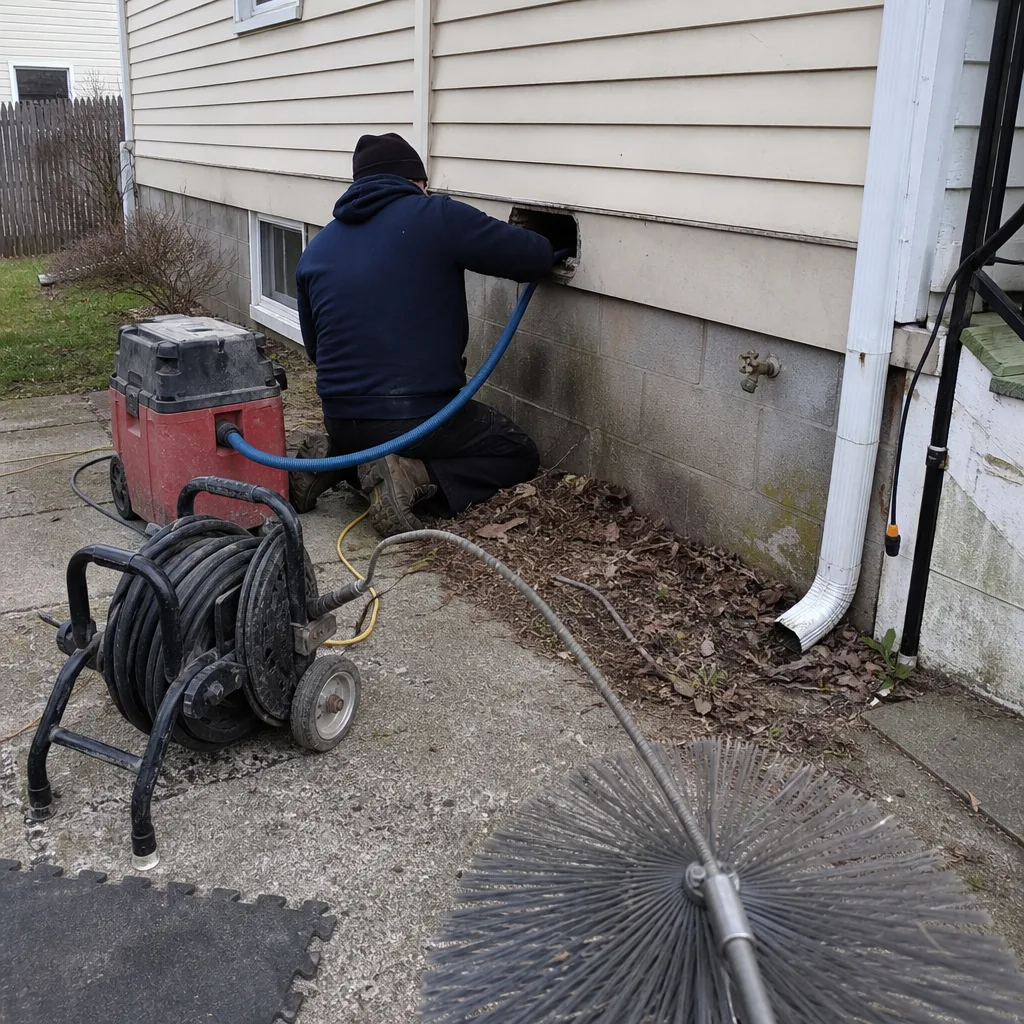 Before
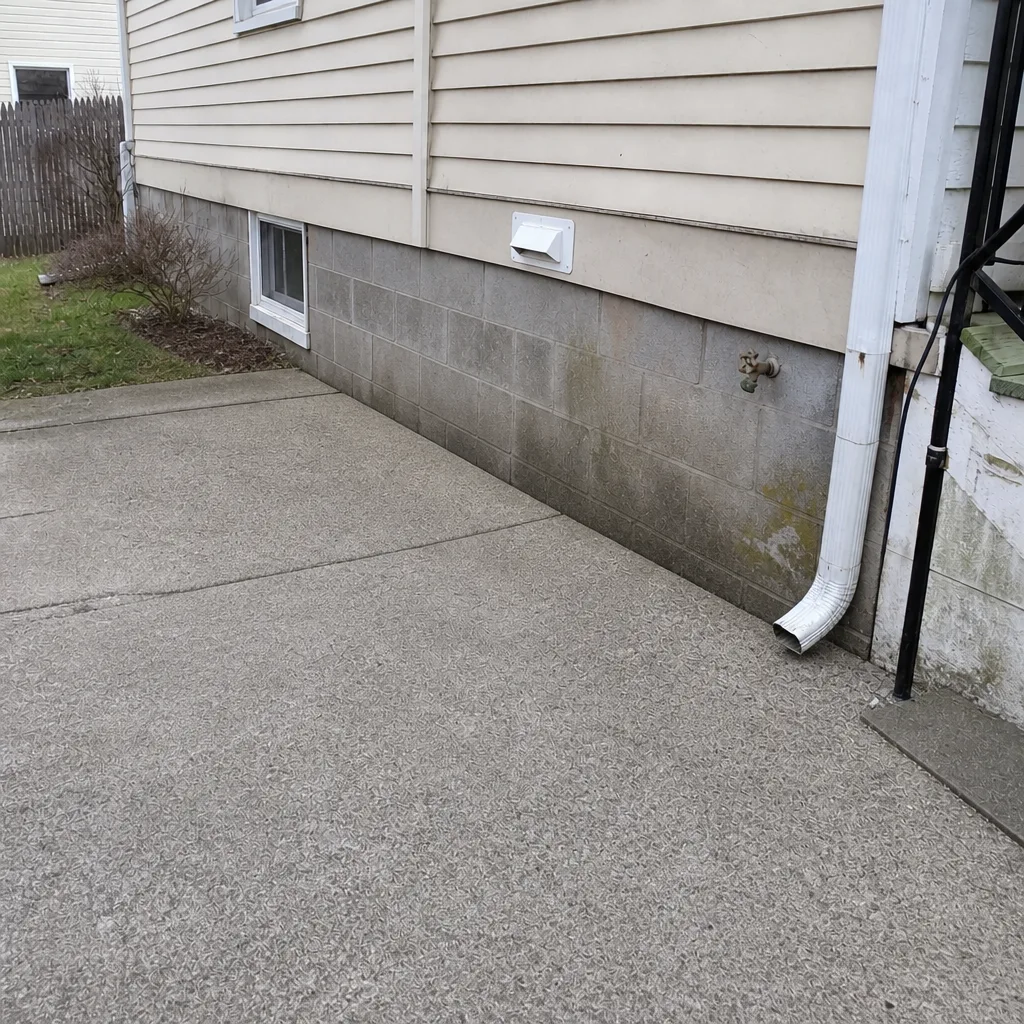 After
When to Call a Professional
Some duct issues can wait; others shouldn’t. Call a professional if you’ve just moved into a Cambridge home and don’t know when the ducts were last cleaned, if anyone in the household has worsening allergy symptoms with no other explanation, if your HVAC technician has flagged dust or debris during a service call, or if your dryer now takes twice as long to dry a load. Any of those is a real signal, not a sales hook. Disconnected or crushed ductwork is another: if the airflow to one room is noticeably weaker than the rest, get the system inspected before you spend on anything else. Duct Cleaning Cambridge offers free estimates in Cambridge – call (888) 393-0038. We answer 24/7. Fast dispatch from 7am to 7pm, Sunday through Friday.
Frequently Asked Questions
Rotobrush, Nikro, and Abatement Technologies are the names to look for in professional duct cleaning. Rotobrush builds rotary brush systems with simultaneous vacuum extraction; Nikro and Abatement Technologies make HEPA-rated negative air machines and air filtration units used in duct cleaning and remediation. Our technicians have up to 11 years of experience with these systems, and we’re happy to tell you exactly what we’ll bring to your job.
Ask for the specific model number and look up its specs, then confirm the crew brings the unit to your site themselves. A company that can name the model, explain its CFM rating, and describe where the negative air machine ties in is using real equipment. A company that can’t is guessing. Call (888) 393-0038 for an exact quote – estimates are free.
Not necessarily. Truck-mounted systems work well on properties with clear driveway access, but many Cambridge homes sit on permit-parking streets where the hose run can’t reach the air handler, especially in triple-deckers with a mechanical room on an upper floor. Portable professional systems with HEPA containment aren’t a compromise – they’re the practical choice for dense neighborhoods.
We price per job, not per vent, and the written estimate sets the final price – we don’t quote a teaser coupon figure and then hand you a bigger invoice on the day. The only way to know your number is to have the system looked at and the estimate written. Call (888) 393-0038. We answer 24/7. Fast dispatch from 7am to 7pm, Sunday through Friday.
The cheap quote is usually a shop vac, one technician, no HEPA containment, and per-vent pricing that pushes a rushed job. A real clean uses a rotary brush system with simultaneous vacuum extraction and a negative air machine holding containment the whole time. That costs more to run. If a quote is dramatically lower than the rest, ask what equipment will be on site before you book it. Call (888) 393-0038 for an honest whole-system estimate.
Before-and-after photos of your own ducts. A camera image before the cleaning and again after tells you what happened inside the system in a way no sales call can. Ask for them when you book. Our technicians provide before-and-after photos on every job as standard – call (888) 393-0038 and we’ll explain exactly what the walkthrough includes.
The Bottom Line
Equipment is the most objective signal a Cambridge homeowner has when evaluating a duct cleaning company. Rotary brush systems like Rotobrush clean contamination by contact; HEPA negative air machines like Nikro and Abatement Technologies hold containment so debris leaves the system instead of settling into the room. A company that can name both, explain what they do in mechanical terms, and put a model number in writing is verifiably equipment-serious. A company that sells “deep cleaning” without a spec to back it isn’t. Ask for the model, look up the number, request before-and-after photos of your own ducts, and confirm the crew can fix what they find. One flat price per system, agreed before work starts, is the standard worth insisting on.
Duct Cleaning Cambridge offers free estimates in Cambridge. Call (888) 393-0038. We answer 24/7. Fast dispatch from 7am to 7pm, Sunday through Friday.
Written by the team at Duct Cleaning Cambridge.