
Last updated November 15, 2026
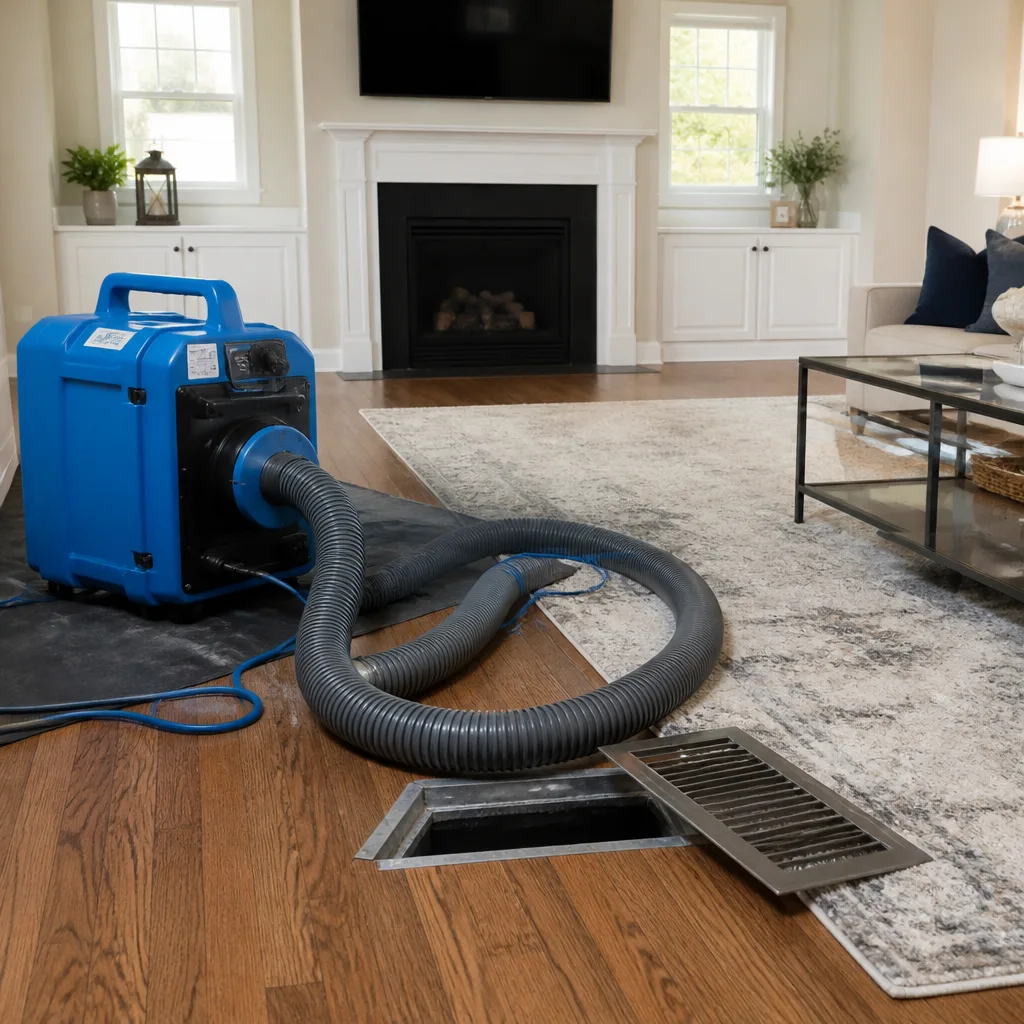 Whole-home duct cleaning
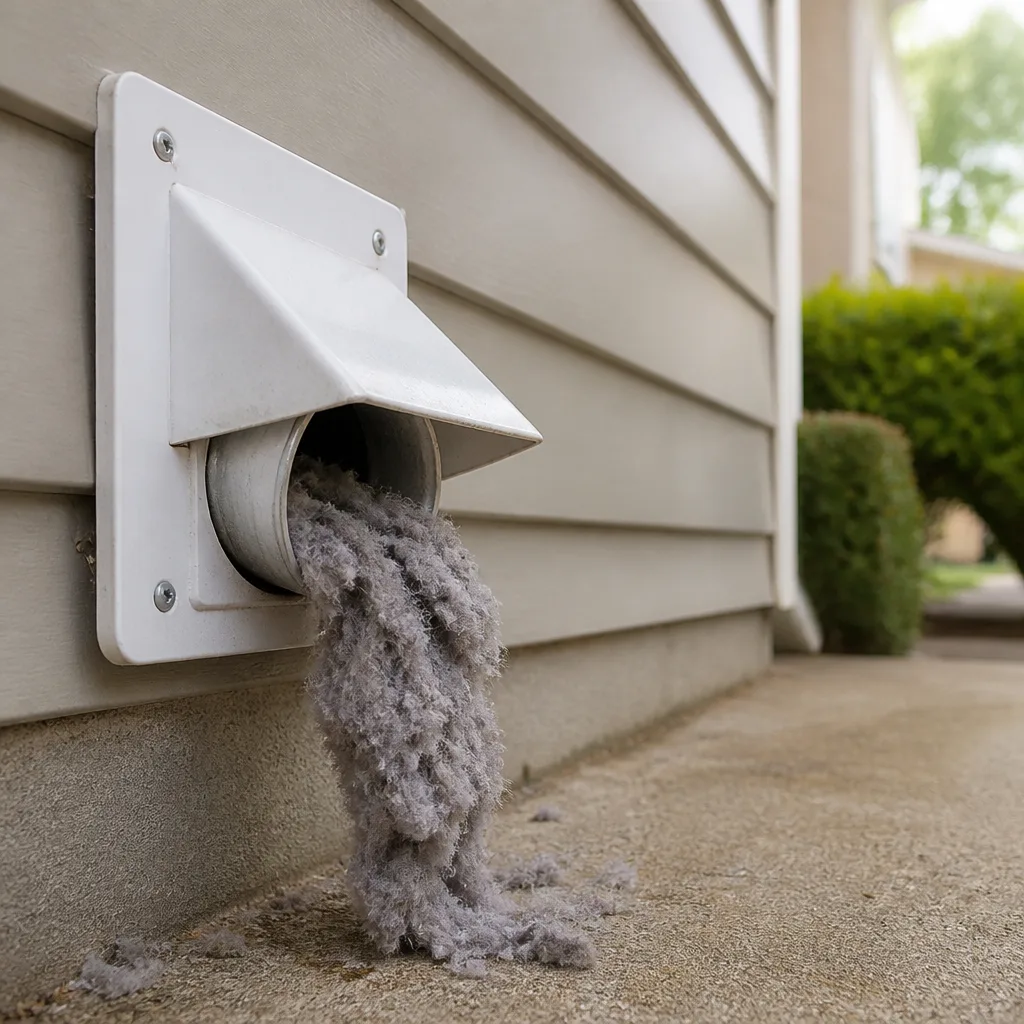 Dryer vent cleaning
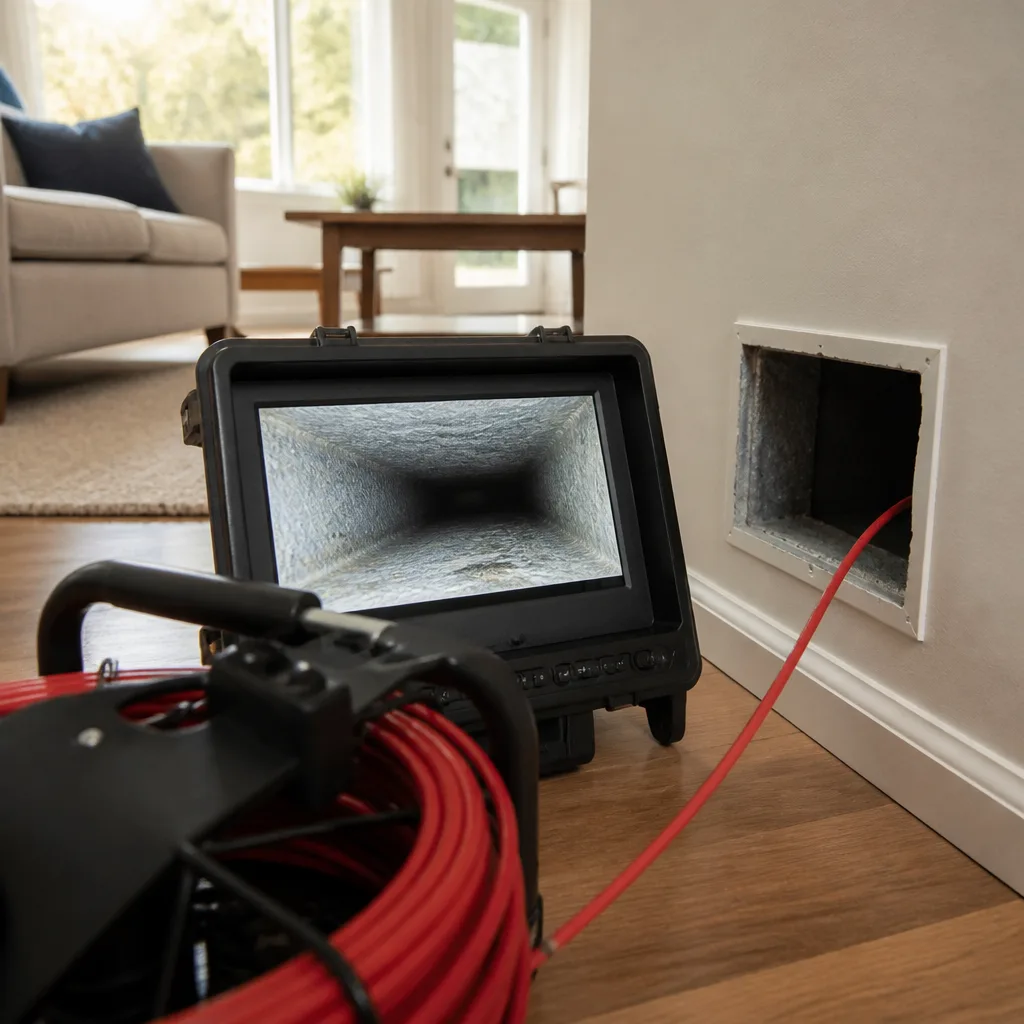 Camera inspection
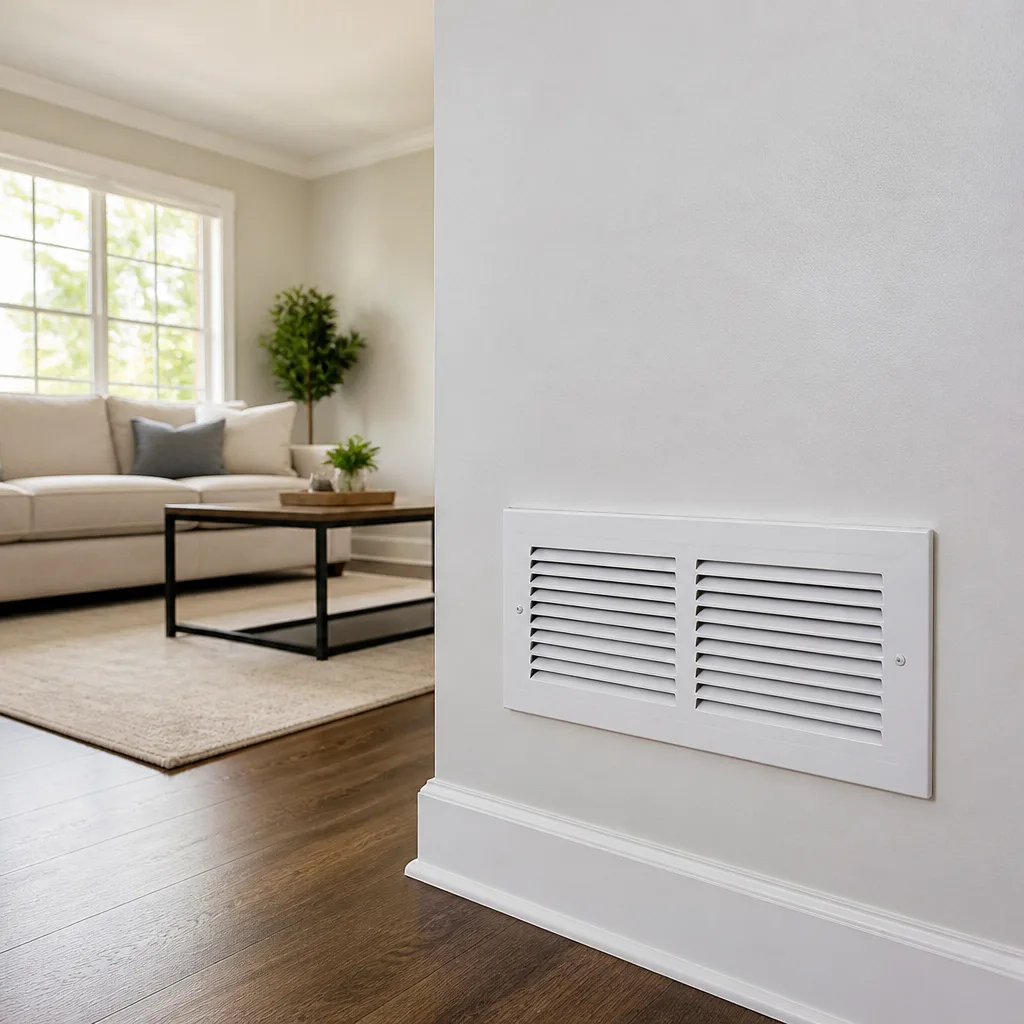 Sanitizing & deodorizing
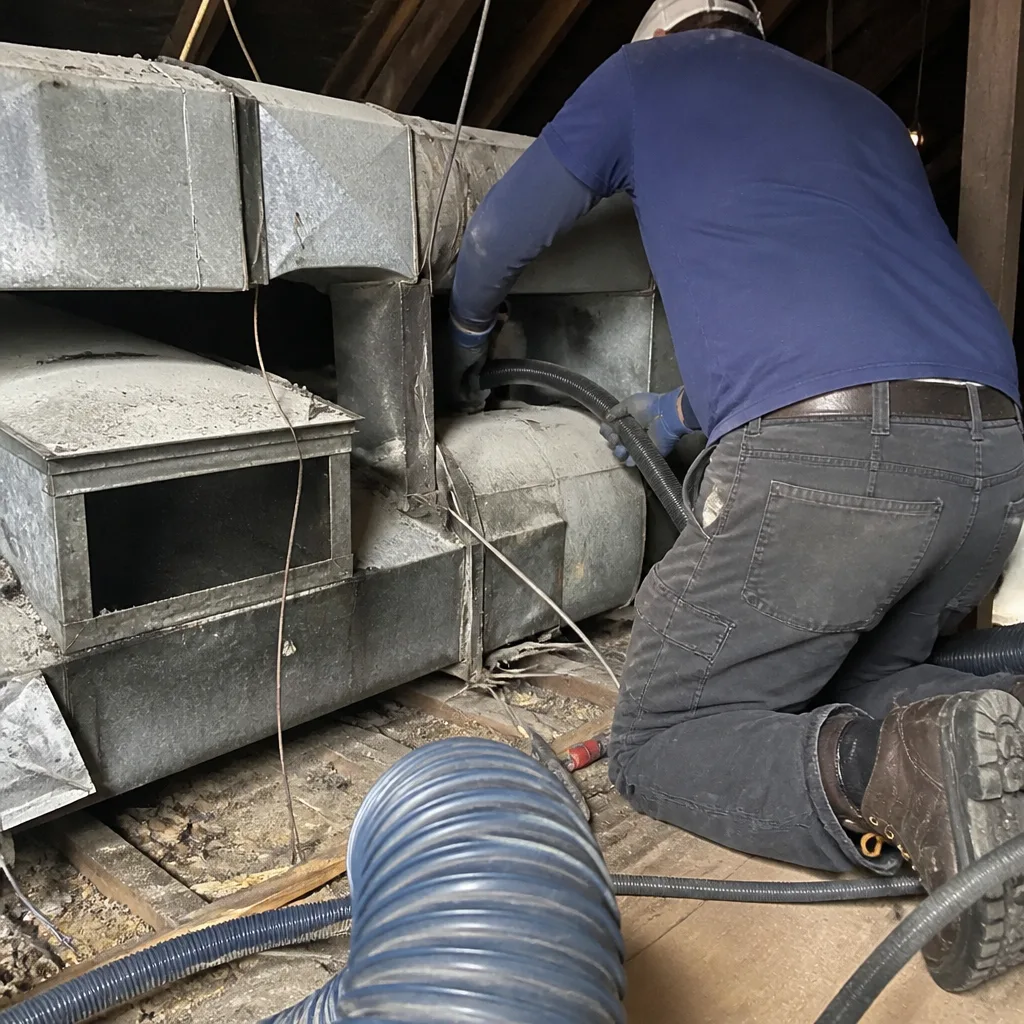
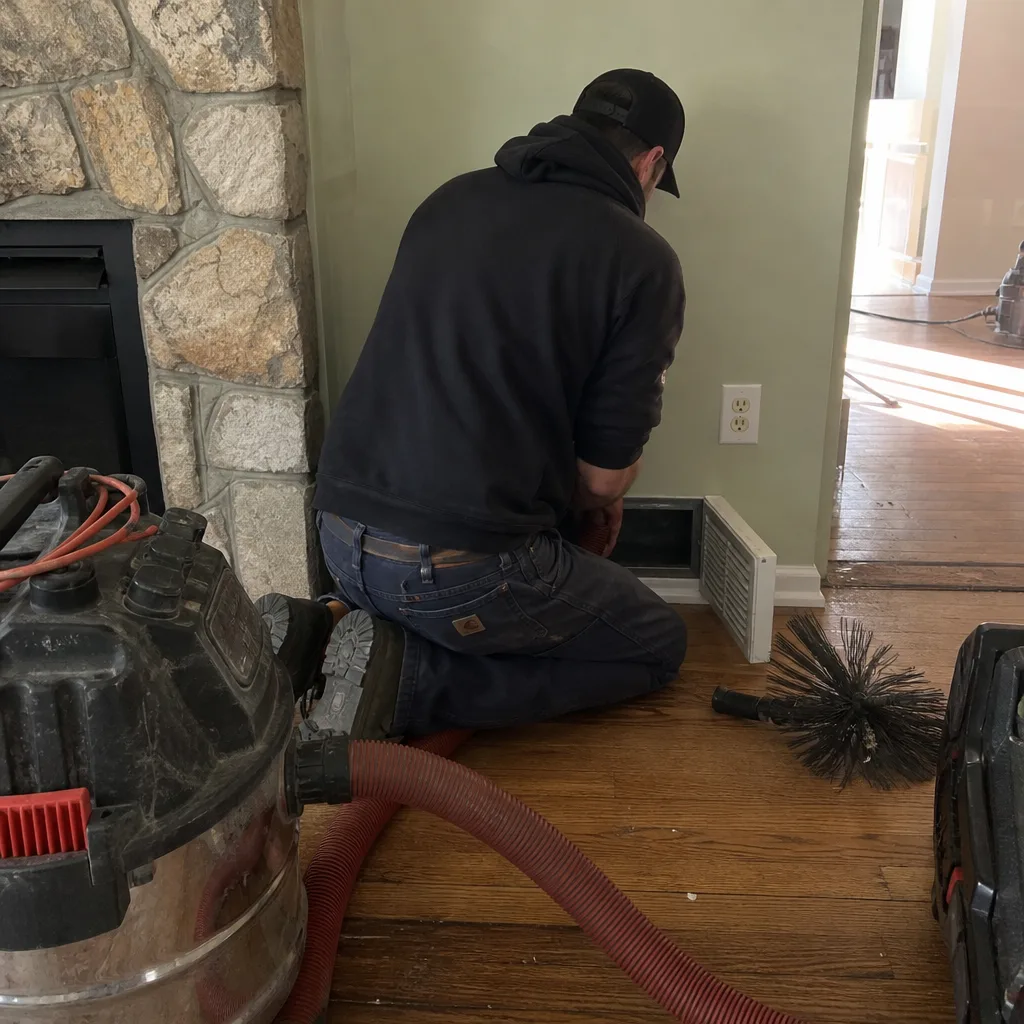
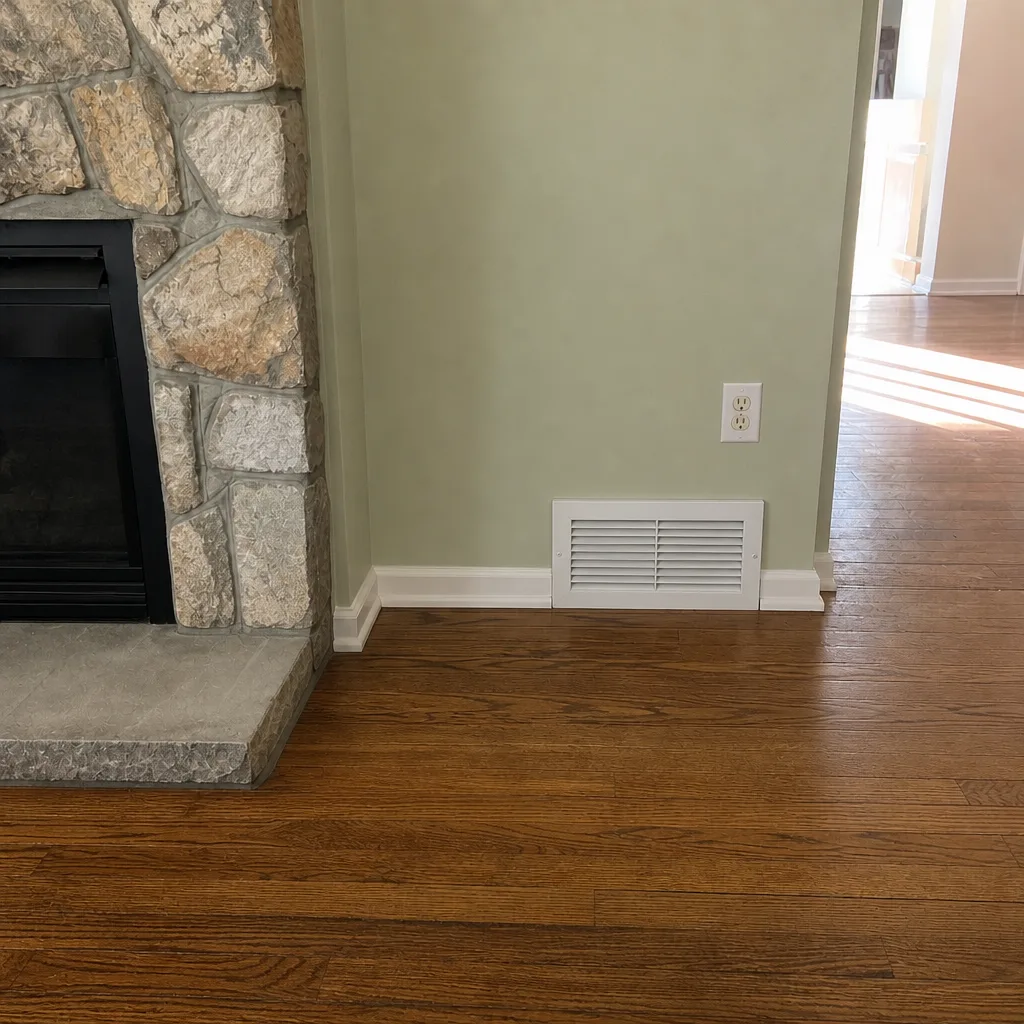
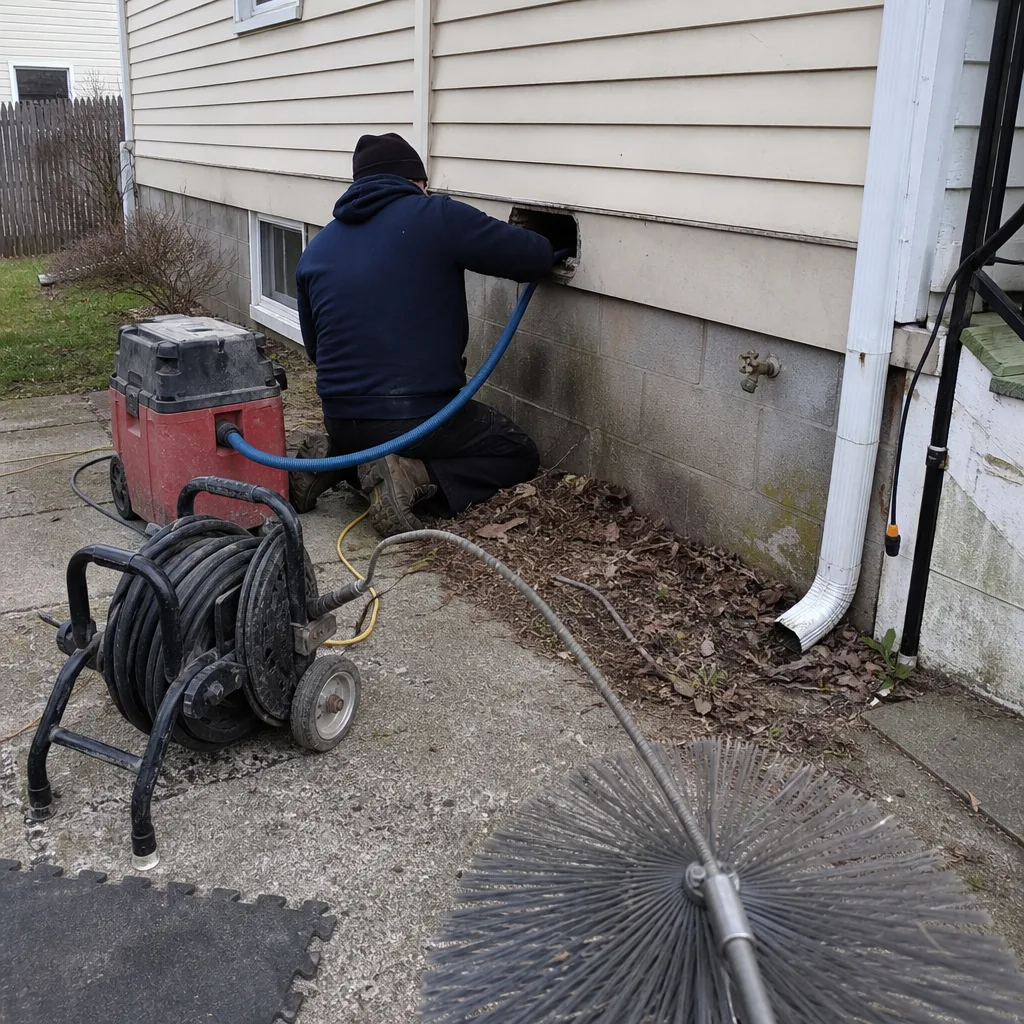
Whole-system duct and dryer vent check with before-and-after photos - you see exactly what came out of your vents
That "$99 whole-house special" is a bait ad - the real number appears once they are in your hallway, or the "clean" is a shop-vac at the register. We photograph the inside of your ducts before and after instead.
DIY vs Professional Air Duct Cleaning: The Cambridge Homeowner’s Decision Guide
A shop vac and a dryer vent brush will clean the first 18 inches of a supply register. That’s real work, and it’s worth doing. But a professional negative air machine paired with rotary contact cleaning works the entire duct run, and the difference in what comes out isn’t subtle. Most homeowners in Cambridge have never seen the inside of their ductwork, so they have no way to judge whether a shop vac is enough or a full system is overkill. This guide gives you the honest boundary: where DIY genuinely helps, where consumer equipment physically can’t reach, and how Cambridge’s older housing stock changes the risk calculation.
Quick Answer
DIY air duct cleaning handles surface work: register faces, accessible plenum vacuuming, and dryer vent lint removal. It cannot perform source-removal cleaning of the full duct run, because consumer vacuums can’t generate the negative pressure required to keep dislodged debris contained. If you have post-renovation debris, visible mold, rodent intrusion, or an immunocompromised person in the home, professional equipment isn’t optional.
Styles & brands we work with
- Whole-home duct cleaning
- Dryer vent cleaning
- Camera inspection
- Sanitizing & deodorizing
Table of Contents
- What DIY Duct Cleaning Actually Accomplishes
- The CFM Math: Why Consumer Vacuums Can’t Reach the Duct Run
- When DIY Is the Right Answer
- When Professional Equipment Isn’t Optional
- Cambridge-Specific Risks: Old Ducts, Plaster Walls, Flex Connections
- DIY Cost vs Professional Cost
- Dryer Vent Cleaning: The One DIY Task Worth Doing Carefully
- Common Mistakes to Avoid
- When to Call a Professional
What DIY Duct Cleaning Actually Accomplishes
Homeowners in Cambridge ask us this constantly, and the honest answer is more than a pro might admit but far less than a shop vac demo on YouTube suggests. A homeowner with the right attachments can do meaningful, legitimate maintenance. What they can’t do is reach the contamination that actually matters.
What a homeowner can genuinely clean
- Register faces and grilles. The visible surface collects dust fast. Removing a grille, wiping it, and vacuuming behind it clears the most visible layer.
- The first 18 inches inside a supply register. With a flexible crevice tool, this reachable section can be brushed and vacuumed. It’s the same zone that collects the dust you see when you pull a register cover.
- Accessible return plenum surfaces. Where a return duct runs in a basement or utility closet and is open enough to reach, surface vacuuming is worthwhile.
- Dryer vent lint at the dryer outlet. The flexible transition duct behind the dryer is homeowner-accessible and worth clearing.
What DIY cannot reach
The bulk of a residential duct system runs through floors, ceilings, and wall cavities. The trunk lines and branch runs on the far side of every register are inaccessible without cutting open the house. Even where a register sits close to a duct end, debris in the middle of a run will stay put. Surface cleaning leaves the settled dust load in the system and only addresses what you can see and touch. Professional work at the level of air duct cleaning uses a rotary brush on a flexible shaft driven through the full run while a HEPA vacuum holds the system under negative pressure, so the dislodged material goes into a capture bag instead of back into the room.
The CFM Math: Why Consumer Vacuums Can’t Reach the Duct Run
This is the part most DIY guides skip, and it’s the reason professional equipment exists. CFM, or cubic feet per minute, measures how much air a vacuum moves. A standard shop vac rated at 150 to 200 CFM sounds impressive until you connect a 1.5-inch hose to it and push that volume through 30 feet of ductwork.
The physical problem
A duct run is a long, narrow pipe with a large internal surface area. Air moving through it drops in velocity and pressure the farther it travels. Once the loss reaches a certain point, the vacuum no longer moves enough air to suspend dust, which means the dust stays where it is no matter how long the motor runs. Consumer cleaners top out well below that threshold. Professional negative air units built specifically for duct cleaning are engineered to hold several times the airflow across a sealed system, often using a separate HEPA-rated capture unit at the trunk. Nikro HEPA-rated vacuum equipment is rated at the airflow a full duct run requires, not the airflow a shop vac delivers at the nozzle.
What negative pressure actually does
- Seals the system. The register openings and other access points are temporarily sealed so the only air entering the ductwork comes through where the technician opens it.
- Pulls a continuous flow. A high-volume capture unit holds the whole system under negative pressure, so loosened material moves toward the vacuum instead of into the living space.
- Contacts every surface. A rotary brush on a flexible shaft runs the length of the duct, scrubbing the walls while the airflow carries material out.
- Captures through HEPA filtration. The exhausted air passes through a HEPA-rated filter so fine particulate doesn’t return to the room.
- Documents the result. Before-and-after photos of the interior of the ducts are taken from the access ports.
The Rotobrush rotary brush system combined with HEPA containment is the equipment tier that makes source-removal cleaning possible. The airflow threshold is not a technicality; it’s the whole reason a shop vac can’t do the job, no matter how much time you give it.
When DIY Is the Right Answer
We’re not going to pretend every home needs a full system clean. In fact, several maintenance tasks are genuinely better done by the homeowner between professional appointments. Here are the situations where DIY is not only fine, it’s the sensible choice.
Register and grille maintenance between professional cleans
Wipe down register faces and grilles every few weeks. Pull the grilles off once or twice a year and vacuum behind them. This keeps the visible layer of dust from building up and doesn’t require anything beyond a brush attachment.
Post-filter-change register wipe-downs
When you change the HVAC filter, take five minutes to wipe the return and supply register faces. Dust accumulates there as a matter of course, and keeping it under control reduces the load that enters the system over the next few months.
Dryer vent lint removal from the dryer outlet
The short flexible duct behind the dryer collects lint fast, and pulling the dryer out to clear it is straightforward. This isn’t just routine: dryer vent lint is the leading cause of residential dryer fires, so the outlet section is worth checking regularly.
Single-run troubleshooting in newer builds
In newer construction where a register sits directly at the end of a short branch run and the duct is rigid and accessible, a homeowner can sometimes reach the interior with a flexible brush. Use it lightly and don’t force it. Anything deeper than the accessible branch is professional territory.
These tasks complement professional cleaning; they don’t replace it. The homeowner who keeps registers clean and checks the dryer vent regularly is doing the system a real service, but the settled dust in the trunk lines stays until a professional system clears it.
When Professional Equipment Isn’t Optional
Some conditions make professional cleaning the only sensible path. In each of these cases, the contamination is either deep in the system, actively harmful, or both, and DIY effort risks spreading it rather than removing it.
Post-renovation debris
Drywall dust, sawdust, paint overspray, and small construction debris routinely end up inside ducts during any renovation. If your system was running during construction without sealed registers, debris is in the trunk lines. A rotary brush and HEPA capture will clear it. A shop vac will stir it into the air you breathe.
Visible mold at registers
Mold at the register face is a signal of moisture somewhere in the duct system, not just a surface stain. Professional work identifies the source of the moisture, cleans the affected runs, and often includes a sanitizing step. Abatement Technologies air-filtration units come in handy during remediation-level jobs because they hold containment at the level the situation requires. If you see mold, don’t brush it. Call a professional.
Rodent intrusion debris
When mice or squirrels get into ducts, the debris includes droppings, urine, nesting material, and the bacteria that come with them. Disturbing this material with consumer equipment can aerosolize pathogens. Professional work uses HEPA containment and often follows with duct repair to seal the entry point. Rodent intrusion requires more than a brush and a shop vac.
Homes with immunocompromised occupants
For households with someone undergoing treatment, living with a respiratory condition, or otherwise immunocompromised, the dust and particulate released during an amateur cleaning is a real concern. Professional cleaning in Cambridge uses HEPA-rated capture so the air quality inside the home doesn’t get worse during the work.
Compromised ductwork
If you find visible tears in flex duct, disconnected joints, or dented galvanized sections while inspecting, professional Cambridge-based service can address the repair at the same time as the cleaning. This is one of the areas where having a single provider matters: cleaning a leaky duct system wastes half the effort.
Cambridge-Specific Risks: Old Ducts, Plaster Walls, Flex Connections
Cambridge’s housing stock is the reason DIY duct work here deserves more caution than it might elsewhere. The city’s residential neighborhoods – North Cambridge, Cambridgeport, Mid-Cambridge, Inman Square, and the streets around Harvard and MIT – are dominated by pre-war construction, and the duct systems inside those homes reflect the era they were built in.
Galvanized steel duct sections
Many older Cambridge homes have galvanized steel duct runs with seams that were crimped and taped decades ago. The tape fails. Prolonged probing with a consumer brush can dislodge loose seams or lift already-failing duct tape inside a run, opening a gap where air escapes into wall cavities. Once that happens, the system is losing efficiency and pulling in attic or basement air, which is worse than the dust you were trying to clean.
Flex duct connections at registers
Where a rigid trunk line transitions to flex duct at a register boot, the connection is often a single zip tie or a taped collar. A homeowner who reaches in aggressively can pull that connection loose. The result is a partially disconnected branch duct feeding air into the wall instead of the room. It’s an easy mistake to make and often requires professional repair to fix.
Lathe-and-plaster walls
Opening a register in a plaster wall is a dustier and more disruptive operation than opening one in drywall. Where a homeowner would need to open space to reach a run (which we don’t recommend), the resulting repair in a plaster home is considerably more involved. This is one reason professional cleaning is worth getting right the first time, so a return visit isn’t needed.
Dense, low-ceiling basements
Many Cambridgeport and Riverside homes have tight basement utility spaces with duct runs that are partially obscured. A homeowner working in those spaces has limited visibility and limited reach, which increases the risk of accidental contact with the run and reduces the benefit of any cleaning attempt.
DIY Cost vs Professional Cost
Cost is the reason most homeowners start researching this question, so let’s be direct about what each option actually delivers. DIY has a low entry cost but limited reach, while professional cleaning is priced per system by written estimate and delivers documented, full-run results. We don’t quote teaser prices or per-vent figures. Here’s what the choice actually looks like.
| Option | What You Get | What You Don’t Get |
|---|---|---|
| DIY (shop vac + attachments) | Register face cleaning, accessible plenum vacuuming, dryer vent lint at the outlet | Full duct run cleaning, HEPA containment, before-and-after documentation, duct repair |
| Consumer rotary brush kit | Reach into accessible branch runs; better than a shop vac alone | Negative pressure, deep trunk-line cleaning, mold and rodent remediation |
| Professional cleaning | Rotobrush rotary cleaning, Nikro HEPA capture, full-system negative pressure, before-and-after photos, duct repair if needed | Nothing the system needs; cost is higher than DIY |
Professional pricing is set per job by written estimate, so the number depends on the number of runs, the level of contamination, and whether repair is needed. We don’t price per vent and we don’t discount the jobs we do. The written estimate is the price the job costs, and any additional work beyond that scope is discussed before it starts. For homes where DIY is adequate, we’ll say so. For homes where it isn’t, the estimate makes the gap visible.
Dryer Vent Cleaning: The One DIY Task Worth Doing Carefully
Dryer vent cleaning occupies an odd position in this conversation: it’s part DIY-accessible, part professional-required, and entirely worth taking seriously because lint buildup in a dryer vent is the leading cause of residential dryer fires. The one DIY task worth doing carefully is the outlet section behind the dryer.
What homeowners should check
- The flexible transition duct behind the dryer: pull the dryer out, disconnect the duct, and clear any lint.
- The exterior vent flap: confirm it opens freely and isn’t blocked by lint or nesting material.
- Dryer performance: if a load comes out damp on a first cycle that used to dry it fully, lint is likely accumulating deeper in the run.
Where professional service matters
The full vent run – especially in walls, ceilings, or in long runs typical of Cambridge homes where the dryer sits far from an exterior wall – is where fires start. A dedicated dryer vent cleaning service clears the whole run with the right equipment. If you’ve never had a professional vent cleaning and the dryer is past the point of feeling warm and toasty on a normal cycle, that’s the signal to schedule one. It’s not an upsell; it’s a fire-risk reduction.
Common Mistakes to Avoid
- Using a shop vac as if it’s a duct cleaning system. A shop vac moves air at the nozzle but loses that airflow quickly in a duct run. The result is dust loosened and re-settled where it started.
- Forcing a brush through flex duct connections. Cambridge homes with flex branches at the register boot are especially vulnerable. Aggressive probing can pull the zip tie or taped collar loose and turn a cleaning job into a repair job.
- Spraying liquid cleaners or essential oils into ducts. Liquid applied to duct walls in a dark, humid system is a recipe for mold growth. Professional cleaning uses HEPA capture and, where appropriate, professional-grade sanitizing, not consumer sprays.
- Cleaning ducts during an active renovation. Running the HVAC during construction fills the trunk lines with dust. Seal registers or leave the system off until the major dust-generating work is done, then schedule the cleaning after.
- Ignoring mold at a register because “it’s just staining.” If the staining comes back after a wipe-down, there’s a moisture source somewhere in the duct system. Surface cleaning hides it; professional cleaning finds it.
- Tackling rodent-contaminated ducts without containment. Droppings and nesting material in ducts shouldn’t be disturbed without HEPA-rated capture. This is a clear professional-only situation.
- Assuming one register check means the whole system is clean. A register face that looks clean can sit at the end of a run loaded with debris. The only reliable check is interior access with documentation.
See the difference
 Before
 After
 Before
 After
 Before
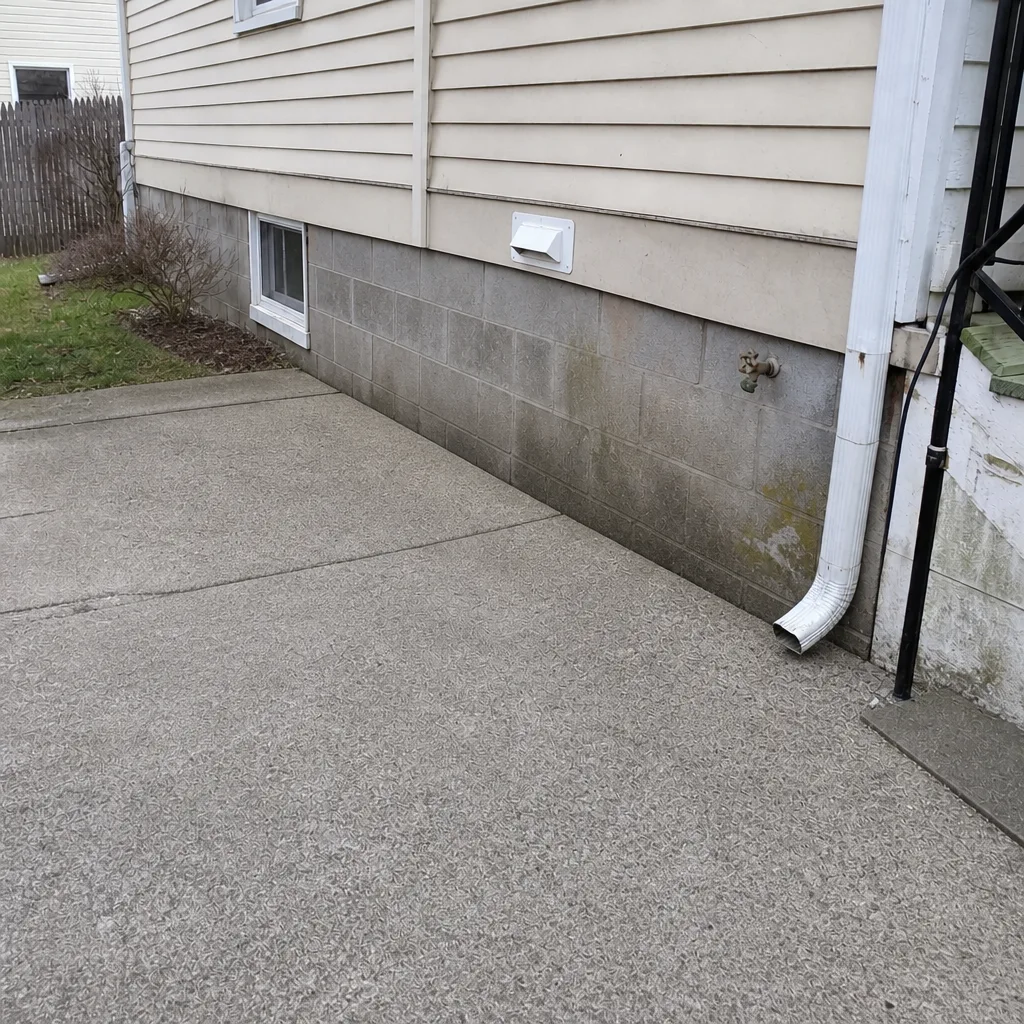 After
When to Call a Professional
Call a professional when the duct system needs source-removal cleaning, when contamination is visible or rodent-related, when the home has immunocompromised occupants, when the ductwork itself is compromised, or when you simply want documentation of what’s inside the system before you decide. If you’ve had a renovation, if you’re seeing mold at registers, or if the dryer is taking noticeably longer to dry, those are the specific triggers. Duct Cleaning Cambridge offers free estimates in Cambridge – call (888) 393-0038. We answer 24/7. Fast dispatch from 7am to 7pm, Sunday through Friday. We clean it, and if it’s broken, we fix it, with one flat price per system agreed before work starts.
Frequently Asked Questions
Pricing is set per job by written estimate, based on the number of runs, the level of contamination, and whether repair is needed. We don’t quote per-vent or teaser prices, and the number on the written estimate is the price the job costs. Call (888) 393-0038 for an exact quote – estimates are free.
A low quote often buys a shop vac pass at the registers, not full source-removal cleaning of the runs. Ask any provider what equipment they’ll use and whether they use HEPA containment. If the answer is generic, the quote is too. Call (888) 393-0038 for a written comparison.
Professional cleaning documents the work with before-and-after photos taken from inside the ducts. Without those, you have only a claim. Call (888) 393-0038 to see what documented cleaning looks like in Cambridge.
Most homes don’t need cleaning annually. The right interval depends on the home: a post-renovation clean, a rodent cleanup, or a request based on visible contamination each call for service. Households with severe allergies or immunocompromised occupants often clean more frequently. Call (888) 393-0038 and we’ll tell you what your system actually needs.
You can clean register faces, vacuum behind registers, wipe the accessible plenum, and clear the dryer vent outlet. You cannot reach the full duct run or create the negative pressure required for source-removal cleaning. For those, call (888) 393-0038.
Yes. Older Cambridge homes often have seam tape that’s already failing, flex connections at the register boots, and lathe-and-plaster walls that are costly to open. A loosened connection during DIY effort can make contamination and efficiency worse, not better. Call (888) 393-0038 before probing older duct runs.
The Bottom Line
DIY duct maintenance has a real, if small, place: register cleaning, post-filter wipe-downs, and dryer vent lint removal at the outlet. It stops well short of full-run cleaning because consumer vacuums can’t hold the airflow a duct system requires, and because Cambridge’s older housing stock makes aggressive probing risky. Professional cleaning with Rotobrush rotary brush systems and Nikro HEPA capture reaches the surfaces that matter and documents what it finds. Duct Cleaning Cambridge handles cleaning, repair, and dryer vent service together, and we work with Honeywell and Aprilaire indoor air quality equipment where it fits. The right choice is the one that actually clears the system you have.
Call (888) 393-0038 for a free estimate. We answer 24/7. Fast dispatch from 7am to 7pm, Sunday through Friday. One flat price per system agreed before work starts, and before-and-after photos so you can see what came out.
Written by the team at Duct Cleaning Cambridge.