
Last updated November 15, 2026
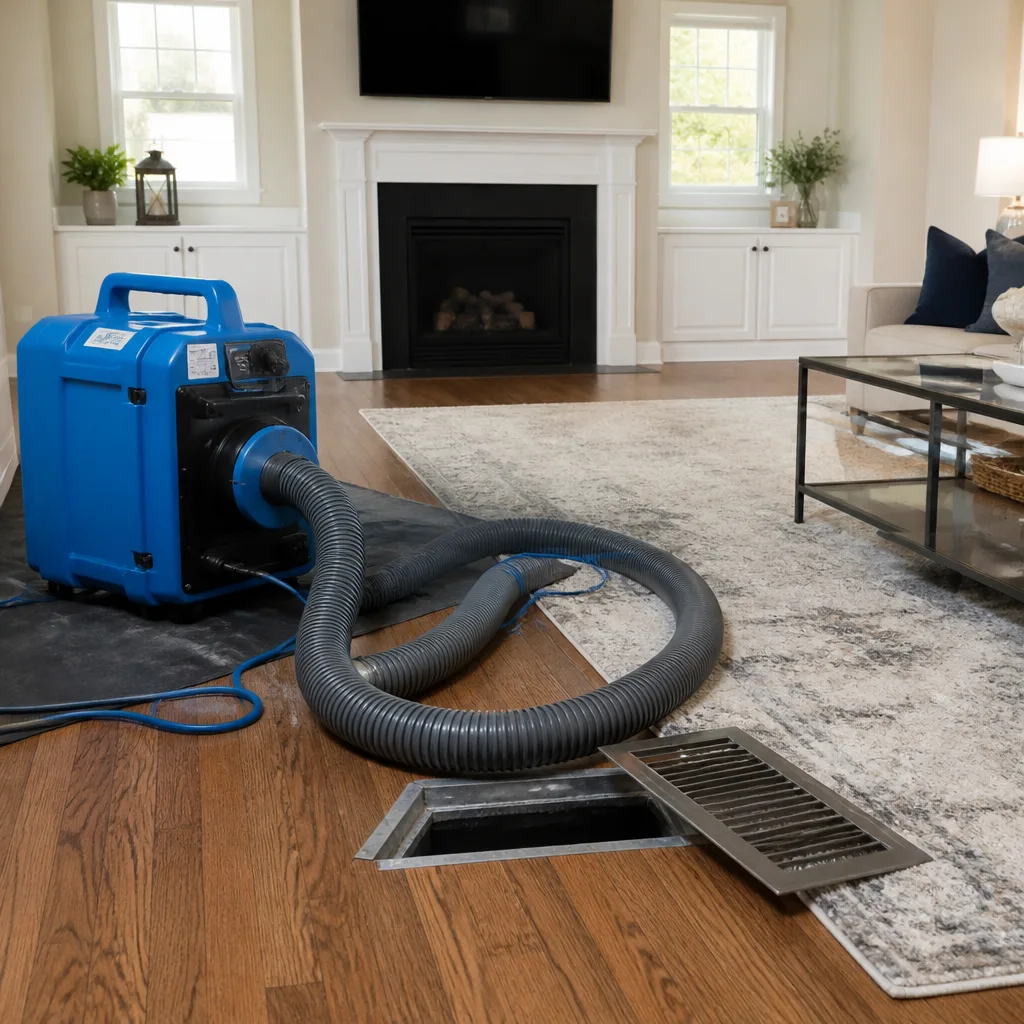 Whole-home duct cleaning
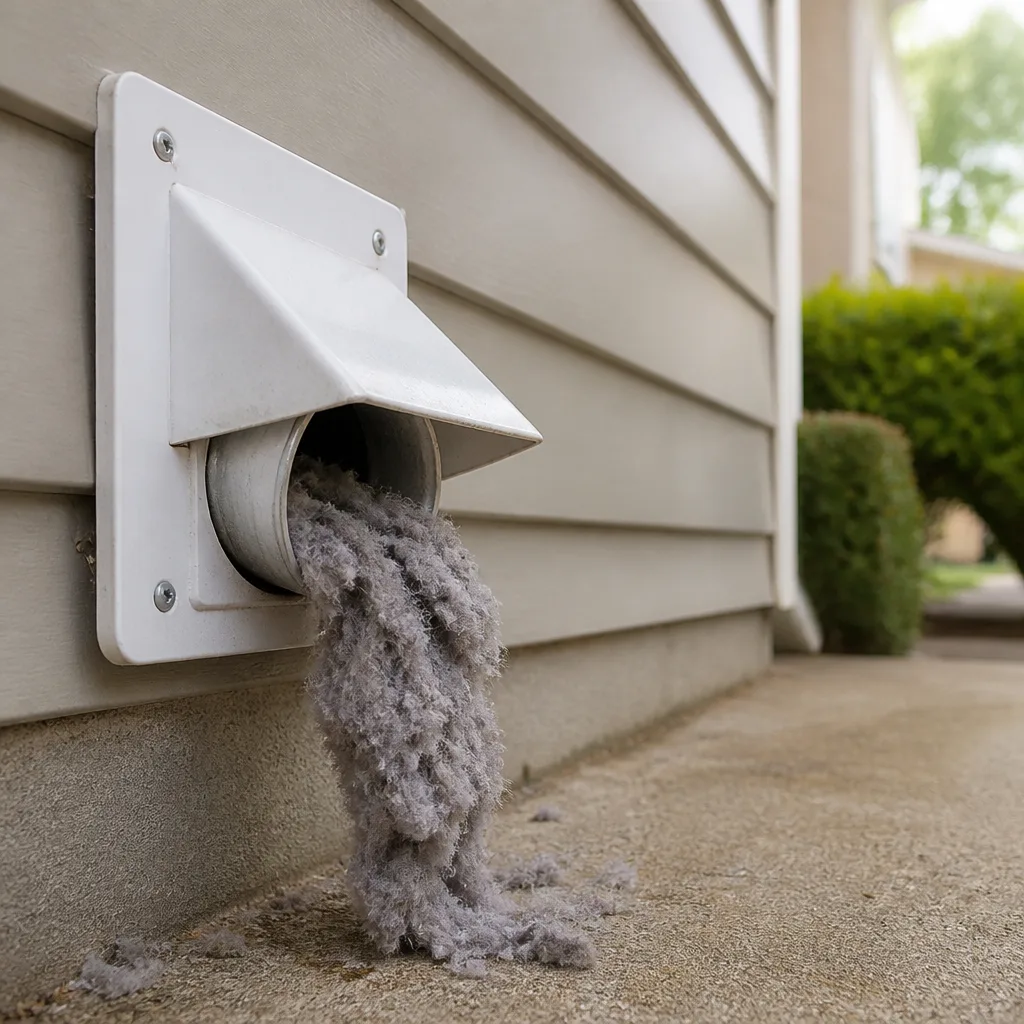 Dryer vent cleaning
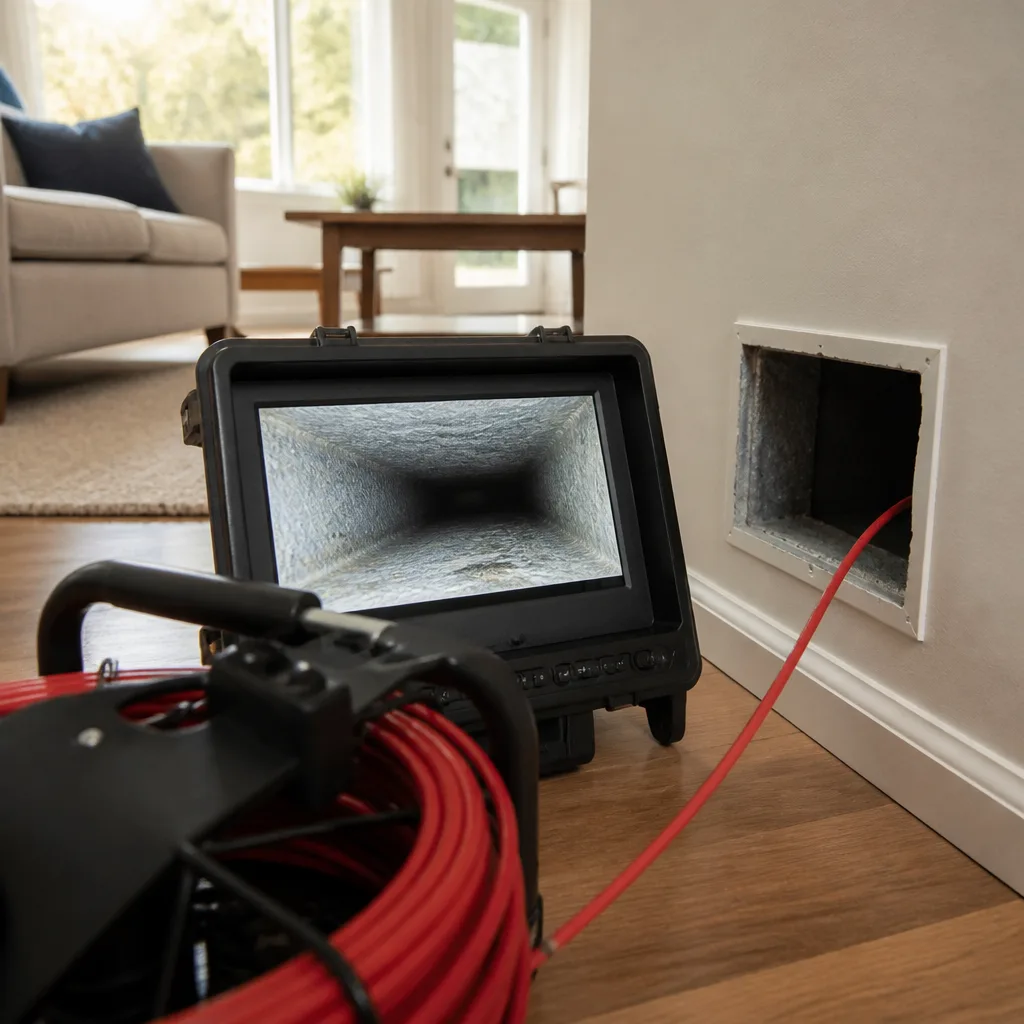 Camera inspection
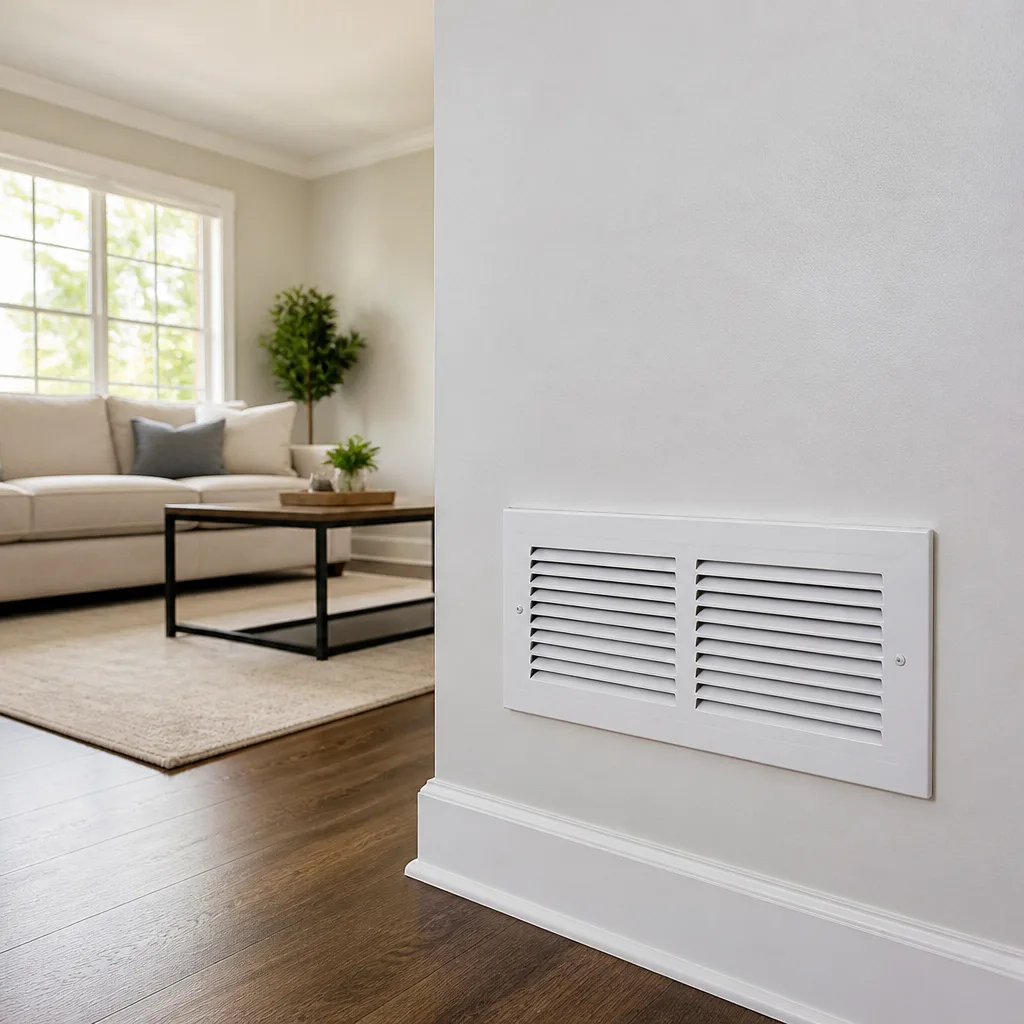 Sanitizing & deodorizing
Whole-system duct and dryer vent check with before-and-after photos - you see exactly what came out of your vents
That "$99 whole-house special" is a bait ad - the real number appears once they are in your hallway, or the "clean" is a shop-vac at the register. We photograph the inside of your ducts before and after instead.
Seasonal Air Duct Cleaning Care for Cambridge: Year-Round Homeowner’s Guide
Most homeowners treat duct cleaning as a once-a-decade chore, something to schedule when the vents start looking grimy. That calendar is the wrong one. In Cambridge, your duct system lives through four genuinely different seasons, and each one loads it with a different kind of debris. Late March is the worst time to do nothing: the heating system has just pushed six months of accumulated dust through every branch, pollen is about to load the outdoor air, and indoor humidity starts climbing toward the sticky range. This guide walks through what each Cambridge season does to your ducts, what to watch for, and how to build a maintenance rhythm around real stressors instead of an arbitrary annual date.
Quick Answer
Air ducts in Cambridge should be inspected at least once a year and professionally cleaned roughly every two to three years, but the best timing depends on your system: end-of-heating-season cleaning (late March to April) removes winter accumulation before pollen and humidity arrive, and fall cleaning clears renovation dust before the windows close. Homes with pets, allergies, recent renovations, or gas and oil furnaces usually need the shorter interval. Dryer vents are separate and should be checked annually regardless.
Styles & brands we work with
- Whole-home duct cleaning
- Dryer vent cleaning
- Camera inspection
- Sanitizing & deodorizing
Table of Contents
- Why Cambridge Ducts Age Differently
- Winter: Combustion Byproducts and What End-of-Season Ducts Look Like
- Spring: Pollen, the Tree Canopy, and the Charles River Corridor
- Summer: Humidity Above 60% RH and the Mold Question
- Fall: Renovation Season and Construction Dust Migration
- Building a 12-Month Maintenance Rhythm
- Filters, Vents, and the Checks You Can Do Yourself
- The Dryer Vent Deserves Its Own Calendar
Why Cambridge Ducts Age Differently
Cambridge sits in a climate that swings hard. Summers push indoor humidity past 60% RH, winters run long and dry, and the shoulder seasons compress into a few intense weeks. That pattern matters for ductwork because the contaminants inside your system aren’t uniform. They layer and react to moisture and temperature in ways that depend on when the system ran and what it pulled in.
Housing stock adds another variable. Cambridge has a dense mix of older triple-deckers, mid-century apartment conversions, and newer infill construction. Each has a different duct layout. Older homes often run rectangular sheet-metal trunks with short branch runs. Newer builds and retrofit jobs frequently rely on flex duct, which sags, collects debris in low spots, and insulates unevenly.
The urban setting also loads outdoor air with pollen and road dust. You don’t need to live near a highway to notice it. Leaf litter, construction, and heavy foot traffic keep fine particulates in the air, and your return ducts pull them in every time the system runs.
If you want the full picture of what professional cleaning actually involves, our air duct cleaning page covers equipment and process in detail.
Winter: Combustion Byproducts and What End-of-Season Ducts Look Like
Winter in Cambridge is mostly a heating story. From roughly November through March, your system runs constantly, and whatever it pulls in gets deposited across every branch of the ductwork. The type of deposit depends on how your home is heated.
Gas and Oil Furnaces
A gas or oil furnace burns fuel and produces combustion byproducts. A properly vented and maintained furnace sends those byproducts out the flue, not into your ducts. But combustion still generates fine particulates that settle on heat exchangers, in the blower compartment, and around the return plenum. When the blower kicks on, those particles get mobilized and pushed through the supply side of the system. Over a long heating season, that accumulation is measurable.
Oil systems produce more soot than gas, and older oil-fired equipment in Cambridge’s triple-deckers can leave a fine dark film on nearby duct surfaces. That film is one reason an annual inspection makes sense for oil-heated homes. It’s also a reason to have a technician check the heat exchanger and flue connections, since those are combustion-safety items no duct cleaning can address.
Heat Pump and Electric Systems
Heat pumps and electric resistance heat don’t generate combustion byproducts, so the winter load is mostly ordinary household dust, pet dander, and the fine lint that comes off textiles. It’s still substantial because the system runs so many hours, but the character of the deposits is different. Supply plenums stay lighter, and the return side collects most of the load.
What End-of-Heating-Season Ducts Look Like
By late March, most Cambridge homes have a visible dust film on the register grilles and a heavier accumulation in the return trunk. Flex duct sections often show debris settled in the low points. In our experience, homes that skip end-of-season cleaning carry that load into spring, when pollen and humidity arrive and the system starts moving a different mix of particles. Cleaning at the end of the heating season resets the system before the shoulder season, which is the point.
Spring: Pollen, the Tree Canopy, and the Charles River Corridor
Spring in Cambridge is compressed. The urban tree canopy and the corridor along the Charles River produce an intense pollen load in a short window, usually mid-April through May. Tree pollen dominates first, then grass pollen follows. When you open windows or your system pulls fresh air, that pollen enters the return side of your ducts and settles.
The interaction with ducts that have been sealed and heated all winter is the part most homeowners underestimate. A duct system that ran closed through winter is full of fine dust. When pollen arrives and humidity begins to rise, that dust becomes a base layer that pollen and moisture stick to. The result is a more adhesive deposit than you’d get on a clean duct surface.
What Spring Cleaning Accomplishes
A spring cleaning removes the winter accumulation before the pollen season peaks. The sequence matters:
- Inspect first. A visual inspection of supply and return branches, the plenum, and the air handler shows where deposits have built up and whether any flex runs have sagged or disconnected.
- Contain the work area. Professional-grade filtration with HEPA-rated vacuum equipment keeps disturbed debris out of your living space.
- Agitate and extract. A rotary brush system loosens deposits from duct walls so the vacuum can pull them out rather than just skimming the surface.
- Seal and verify. Any joints, tears, or disconnected sections found during cleaning get addressed. Cleaner air starts with clean ducts, and ducts that actually seal.
If you’re booking for the first time, a walkthrough of our Cambridge service page explains what a standard visit covers.
Summer: Humidity Above 60% RH and the Mold Question
Cambridge summers regularly push indoor relative humidity above 60% RH, especially in basements and in homes without central air. That threshold matters because mold needs moisture to establish. Duct surfaces themselves are usually dry, but flex duct with poor insulation is a common weak point. In humid weather, the outer jacket can collect condensation, and any debris inside the duct can hold moisture against the liner.
What to Watch For
You won’t always see mold growth inside a duct. Watch for these signals instead:
- A musty or earthy smell when the system first turns on
- Visible dark staining or discoloration around supply registers
- Condensation on flex duct runs in the basement or crawlspace
- Worsening allergy-type symptoms that track with the system running
- High indoor humidity readings (a cheap hygrometer is enough)
If you see moisture on flex duct or smell something musty, act. Waiting until fall gives mold the whole humid season to establish. Professional cleaning with HEPA-rated containment removes the organic material mold feeds on. If the inspection finds damaged or damp insulation inside flex runs, our air duct repair service can replace or reseal the affected sections during the same visit, which closes a gap that cleaning alone leaves open.
On the equipment side, we work with indoor air quality hardware from Aprilaire and Honeywell, including whole-home dehumidification and filtration components. That bridges the gap between a one-time cleaning and a system that holds up through the humid months.
Fall: Renovation Season and Construction Dust Migration
Fall is renovation season in Cambridge. Contractors push to close out projects before winter, and that means drywall dust, insulation fibers, sawdust, and construction debris in the air. That dust doesn’t stay in the work zone. It migrates through the house and enters your duct system through returns, gaps around registers, and any open joints.
Why Construction Dust Is a Different Problem
Drywall dust is finer and more alkaline than ordinary household dust. It settles into duct surfaces and can coat the inside of the air handler and the blower wheel. Insulation fibers are light enough to stay airborne longer and can lodge in flex duct corrugations. Both are harder to remove with a vacuum alone, which is why professional agitation (a rotary brush system) matters after a renovation.
Fall Cleaning Checklist
- Wait until the major dusty work is finished. Cleaning mid-renovation wastes the effort.
- Change the filter immediately after the work ends. A clogged filter after construction is normal.
- Book a professional cleaning. Focus on returns, the air handler, and any branches near the work area.
- Inspect for disconnected or crushed flex runs. Renovation crews sometimes move ductwork to make room for framing or wiring.
- Seal gaps around registers and penetrations so the next round of dust stays out.
Fall is also the right time to seal the building envelope and confirm that your duct system is tight before the heating season starts. A leaky return in an unconditioned space pulls in cold, dusty air all winter.
Building a 12-Month Maintenance Rhythm
The right maintenance cadence for a Cambridge home isn’t a single annual appointment. It’s a staggered schedule that puts the right task at the right time of year and avoids over-servicing. Here’s a workable framework.
Month-by-Month Framework
- January to February: Change filters on schedule. Watch for dust on registers and note any rooms with weaker airflow. No professional visit needed unless something changes.
- March to April: Book a professional cleaning and inspection at the end of the heating season. This removes winter accumulation before pollen and humidity arrive.
- May to June: Change filters as pollen peaks. Do a visual check of return grilles. If you noticed musty smells the previous summer, address them now, not in July.
- July to August: Monitor indoor humidity. Check basement and crawlspace flex duct for condensation. Keep filters clean, especially if you run a dehumidifier.
- September to October: Post-renovation cleaning if you did any work. Otherwise, a visual inspection and filter change before the heating season.
- November to December: Change filters, confirm the furnace or boiler has been serviced, and check that all registers are open and unobstructed.
How Often Does Professional Cleaning Really Need to Happen?
For most Cambridge homes, every two to three years is reasonable. Shorter intervals make sense for:
- Homes with multiple pets or occupants with respiratory sensitivities
- Homes heated by oil or older gas furnaces
- Homes that recently finished a renovation
- Homes with flex duct systems that have shown moisture issues
- Homes near heavy construction or major road corridors
Over-servicing doesn’t help. If a visual inspection shows clean ducts, you don’t need to book a cleaning just because a year has passed. Our technicians have up to 11 years of experience, and that experience is mostly about knowing when work is actually needed.
Filters, Vents, and the Checks You Can Do Yourself
A lot of seasonal duct care is just routine maintenance you can handle without a technician. Here’s what belongs on your own list.
- Change filters on a schedule that matches your home. Every 60 to 90 days is a reasonable default. Pet owners and anyone running the system heavily should change more often. Check the filter after construction dust or a heavy pollen week.
- Vacuum register grilles. A brush attachment on a household vacuum removes surface dust from supply and return grilles. This keeps dust from getting pulled back into the system.
- Confirm registers are open and unobstructed. Furniture, rugs, and curtains blocking returns cause the system to pull air from gaps and leaks instead.
- Watch for airflow changes. If one room gets noticeably weaker, that’s a signal worth investigating. It could be a crushed flex run, a closed damper, or a disconnected joint.
- Track indoor humidity in summer. A simple hygrometer tells you when you’re approaching the 60% RH range. Dehumidification in humid months is often more impactful than cleaning.
- Note smells when the system starts. A musty smell on startup is a signal to inspect, not a reason to spray something into the return.
What you should not do is attempt to clean the inside of ductwork yourself with a shop vac or consumer equipment. Those tools can’t reach the whole system, they don’t provide HEPA-rated filtration, and they can push debris deeper into flex runs. Professional equipment from Nikro and Rotobrush exists for a reason: it agitates and captures in a single pass, with containment that keeps the work area clean.
The Dryer Vent Deserves Its Own Calendar
Dryer vent cleaning is a separate service from air duct cleaning, and it deserves its own calendar slot. Lint accumulation in a dryer vent is a documented residential fire risk, and the same monthly rhythm that keeps your HVAC ducts clean won’t catch it. Dryer vents need an annual inspection at minimum, and more often in homes that run several loads a week.
Signs your dryer vent needs attention:
- Clothes take noticeably longer to dry than they used to
- The dryer feels hot to the touch on the outside
- The lint trap fills faster than usual
- There’s a burning or musty smell during a cycle
- The exterior vent flap doesn’t open fully when the dryer runs
Annual dryer vent cleaning is the simplest way to address the risk. It’s a short appointment, and it pairs naturally with a duct inspection. We mention it here because the calendar that covers your HVAC system should include this service, and most homeowners don’t think of it until drying times get noticeably worse.
Common Mistakes to Avoid
- Waiting until something breaks. Duct problems rarely announce themselves. A weak register or a musty smell is often the first sign, and by then the system has been degrading for a season or more.
- Cleaning mid-renovation. In Cambridge, where fall renovation season overlaps with the heating changeover, cleaning before the dusty work is finished wastes the effort. Wait until the drywall is sanded and the debris is gone.
- Skipping the visual inspection. Cleaning without inspection misses disconnected flex runs, crushed branches, and moisture problems. The inspection is what makes the cleaning worthwhile.
- Treating the dryer vent as part of the duct cleaning. They’re separate systems with separate risks. A duct cleaning doesn’t touch the dryer vent, and a dryer vent cleaning doesn’t touch your HVAC ducts.
- Ignoring humidity in summer. Above 60% RH, moisture matters more than cleaning frequency. A dehumidifier often solves a problem a cleaning can’t.
- Going with the cheapest quote without asking about equipment. Budget competitors use consumer-grade vacuums without HEPA-rated containment. Ask what equipment is actually on-site before you book.
- Assuming a filter change covers everything. Filters catch what’s airborne. They don’t remove deposits from duct walls, returns, or the blower compartment.
See the difference
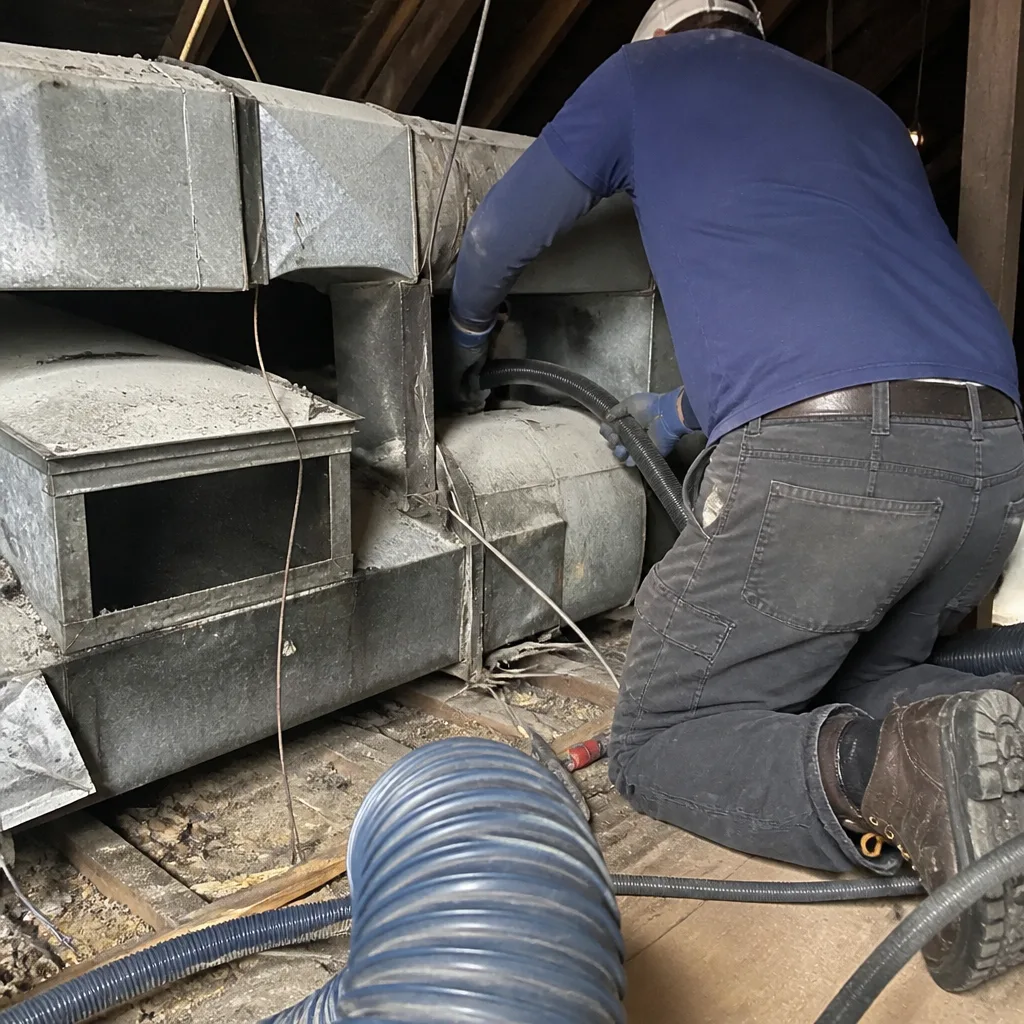 Before
 After
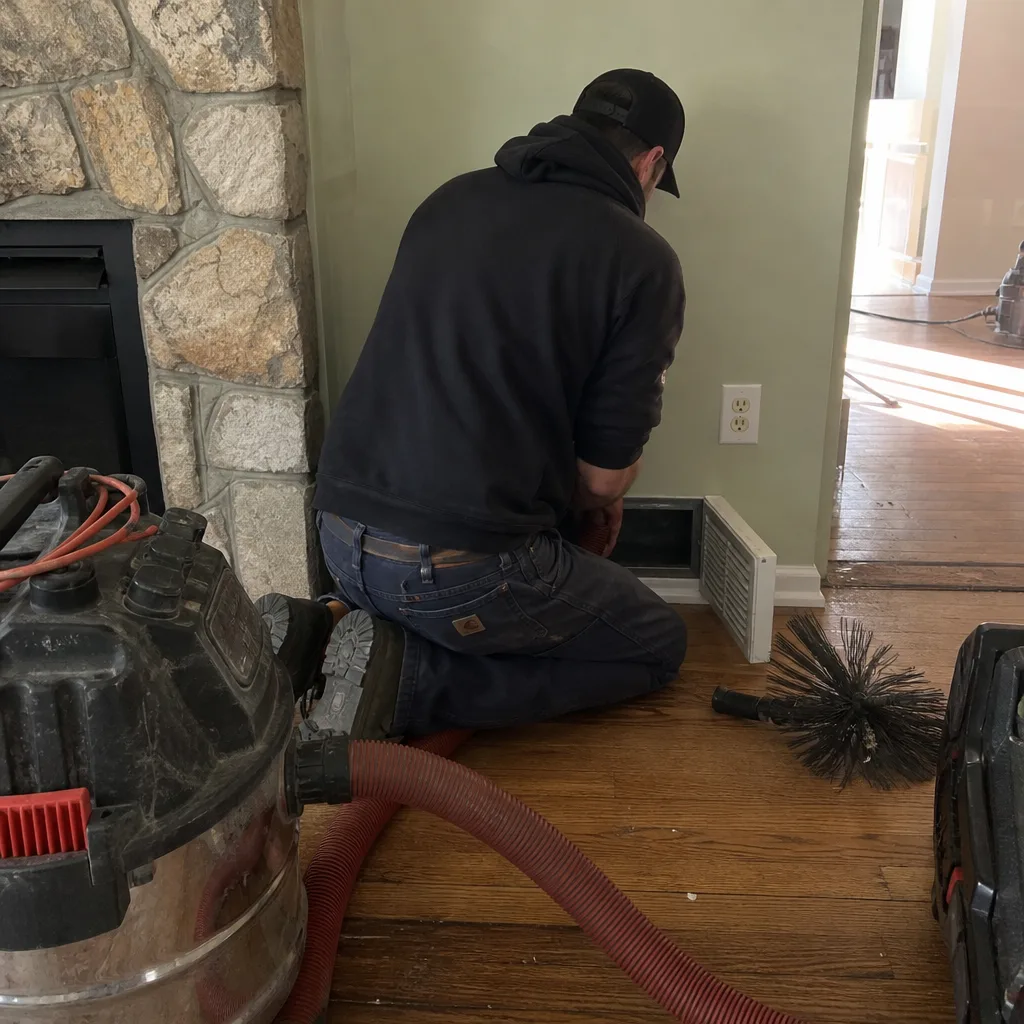 Before
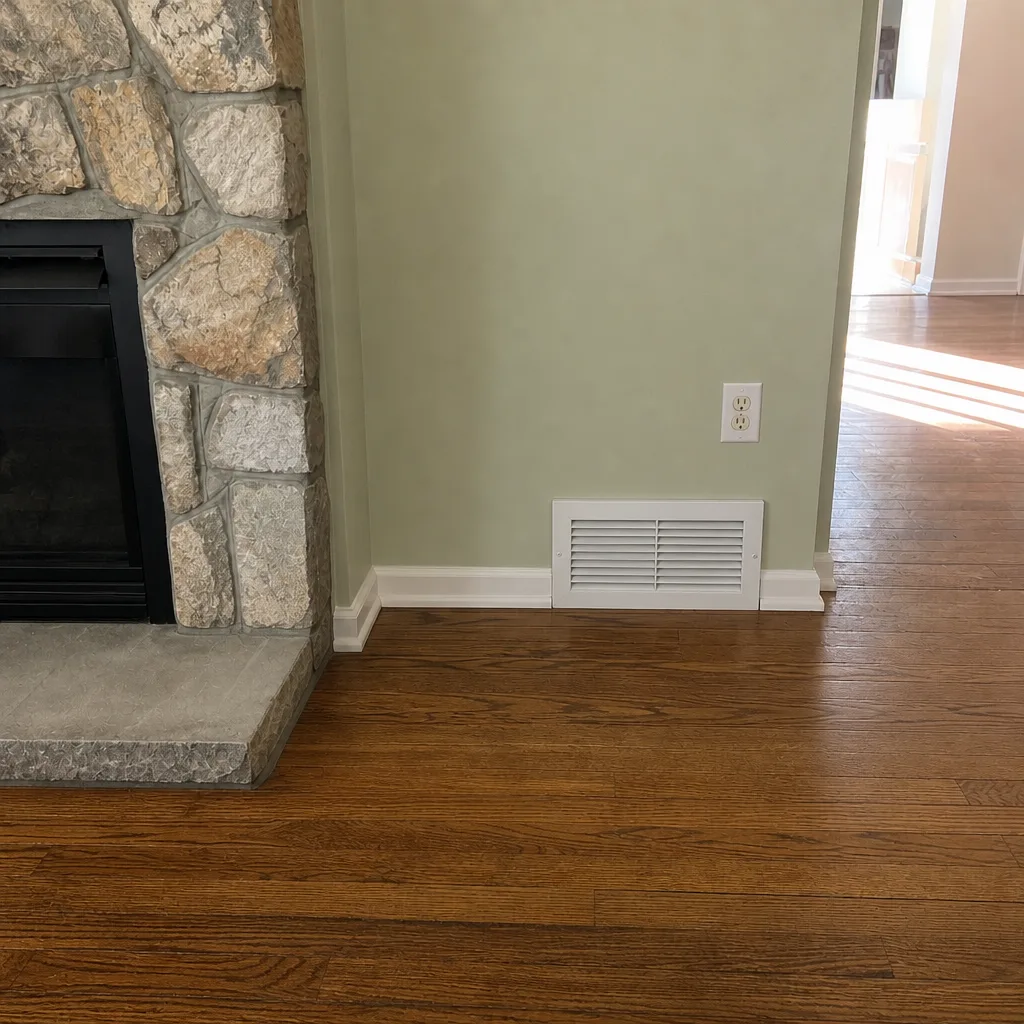 After
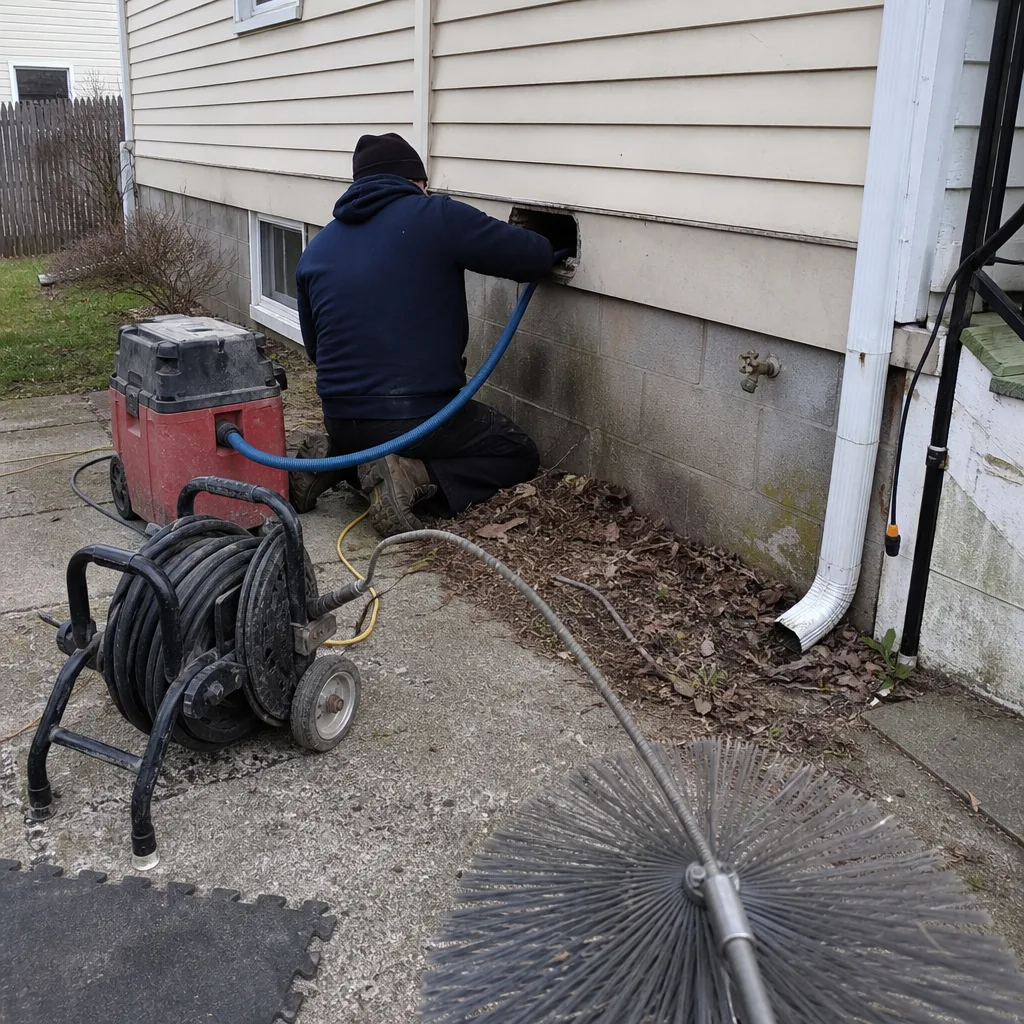 Before
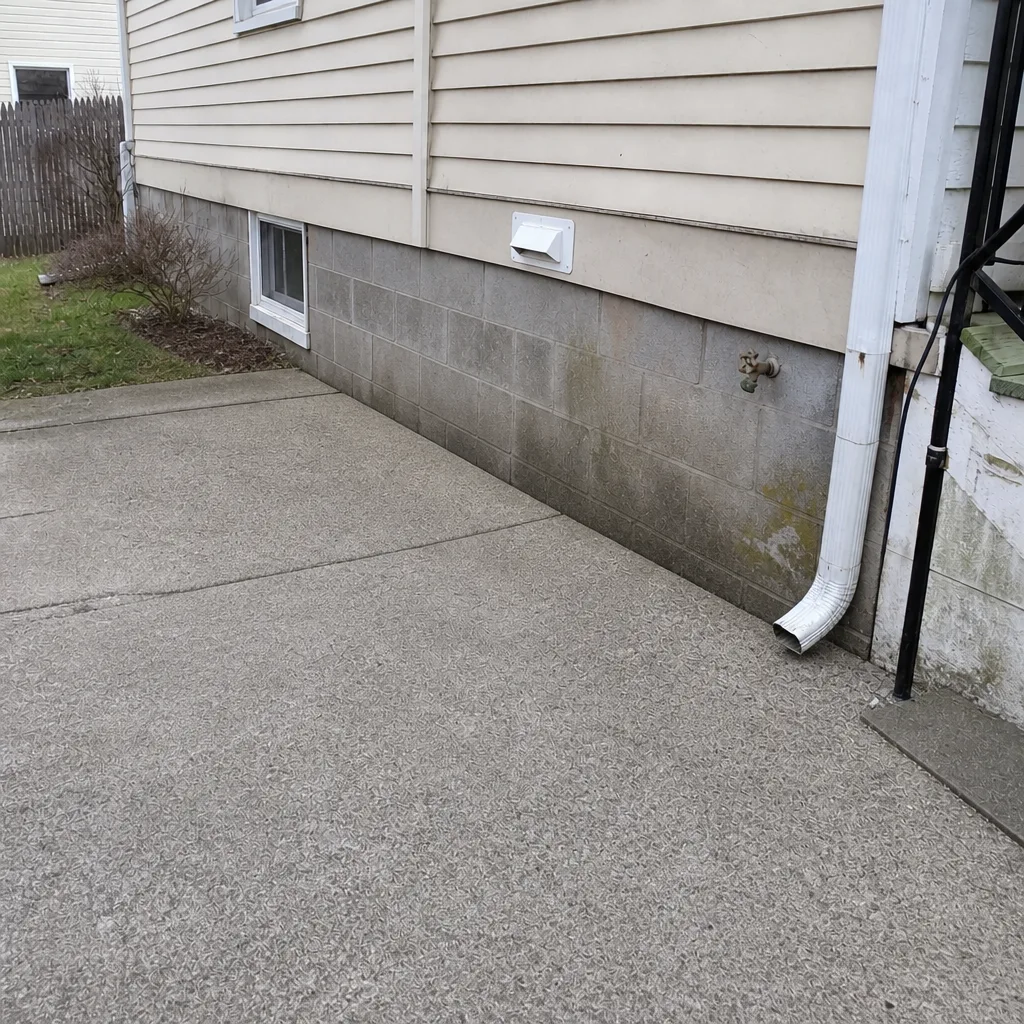 After
When to Call a Professional
Not every seasonal task needs a technician. Filter changes, register vacuuming, and humidity tracking are things you can handle yourself. Call a professional when you hit any of these: a musty smell on system startup, visible moisture inside a flex run, a renovation that just finished, a visible dust film on supply registers, a dryer that takes noticeably longer to dry, or an HVAC technician’s warning about the duct system. If you’re not sure, an estimate is the cheapest way to find out.
We answer 24/7. Fast dispatch from 7am to 7pm, Sunday through Friday. A call outside dispatch hours is booked into the next opening. Duct Cleaning Cambridge offers free estimates in Cambridge. Call (888) 393-0038 to schedule a walkthrough.
Frequently Asked Questions
Most Cambridge homes are fine with professional cleaning every two to three years, with an annual visual inspection. Homes with pets, oil heat, recent renovations, or respiratory concerns often benefit from a shorter interval. The inspection is the deciding factor, not the calendar.
Late March to April is the strongest window. It removes winter accumulation before the compressed pollen season and humid summer arrive. Fall is the second-best window, especially after a renovation. Avoid cleaning mid-renovation, since new dust will just replace what was removed.
They often do. Gas and oil furnaces generate fine combustion-related particulates that settle in the blower compartment and near the return plenum. Oil systems produce more soot. Heat pumps don’t create combustion byproducts, so the load is mostly household dust and dander. Homes with gas or oil furnaces should lean toward the shorter end of the cleaning interval.
It can be, especially with indoor humidity above 60% RH. Flex duct with poor insulation is the most common weak point, because the outer jacket can collect condensation in humid weather. If you smell something musty when the system starts, or you see condensation on flex runs, have it inspected rather than waiting for the next scheduled cleaning.
It can, because the volume and type of debris is different. Drywall dust and insulation fibers take more effort to remove, and the inspection often covers more of the system. The written estimate sets the final price, and the estimate itself is free.
Ask for before-and-after photos of your own ducts. A professional cleaning with HEPA-rated containment should leave visible evidence in the inspection report, and an honest company will show you what was found and what was removed. If you don’t get photos, ask why.
The Bottom Line
Cambridge duct care isn’t about an annual appointment. It’s about matching maintenance to the season’s actual stress. Winter loads the system with combustion byproducts or household dust. Spring brings a compressed pollen load. Summer tests humidity limits. Fall delivers renovation debris. A staggered, season-aware rhythm handles each one at the right time, and it avoids over-servicing when the ducts are already clean.
Do the cheap checks yourself. Book the professional work when the season calls for it, and ask what equipment is actually on-site before you book. Rotobrush rotary brush systems, Nikro HEPA-rated vacuums, and Abatement Technologies filtration gear exist for a reason. Cleaner air starts with clean ducts, and ducts that actually seal.
Ready to schedule a seasonal walkthrough or a free estimate? Call (888) 393-0038. We answer 24/7, with fast dispatch from 7am to 7pm, Sunday through Friday. Start with our Duct Cleaning Cambridge overview if you want the full picture before booking.
Written by the team at Duct Cleaning Cambridge.