
Last updated November 15, 2026
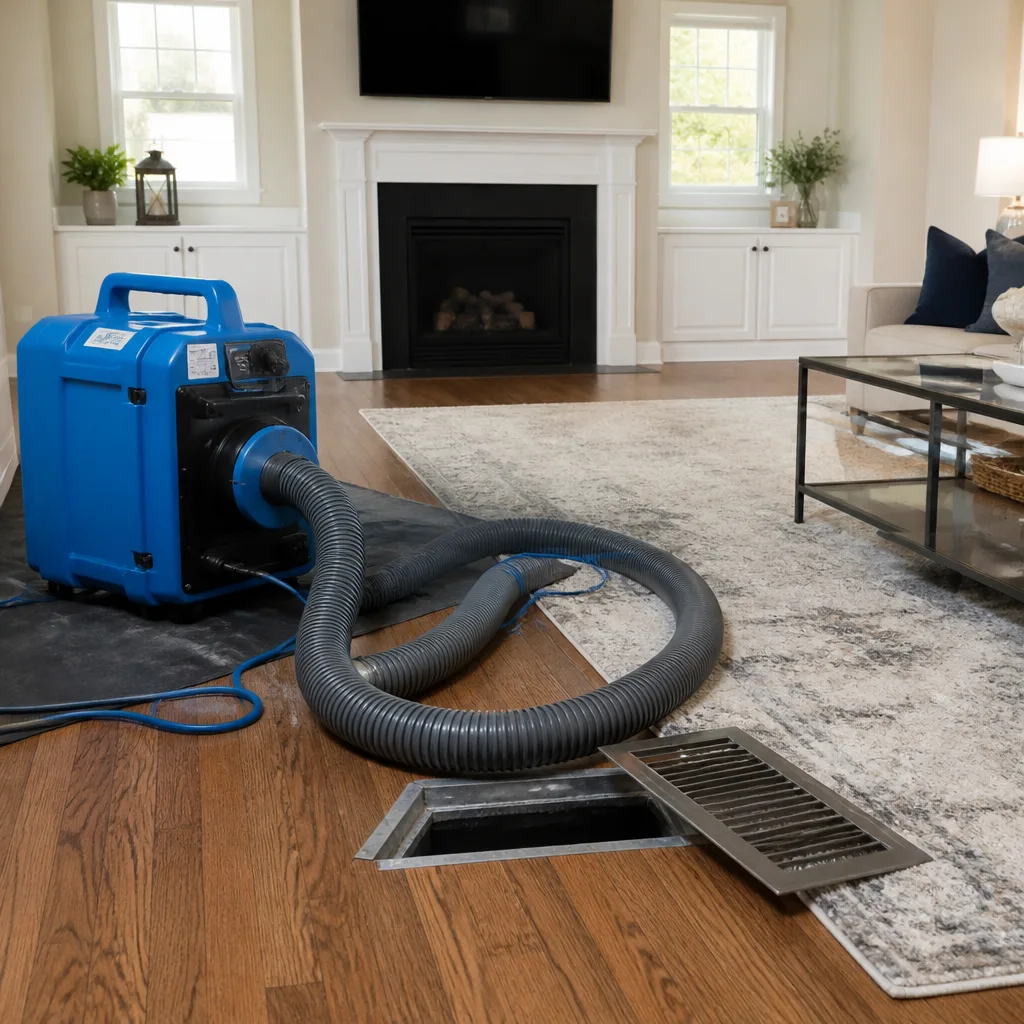 Whole-home duct cleaning
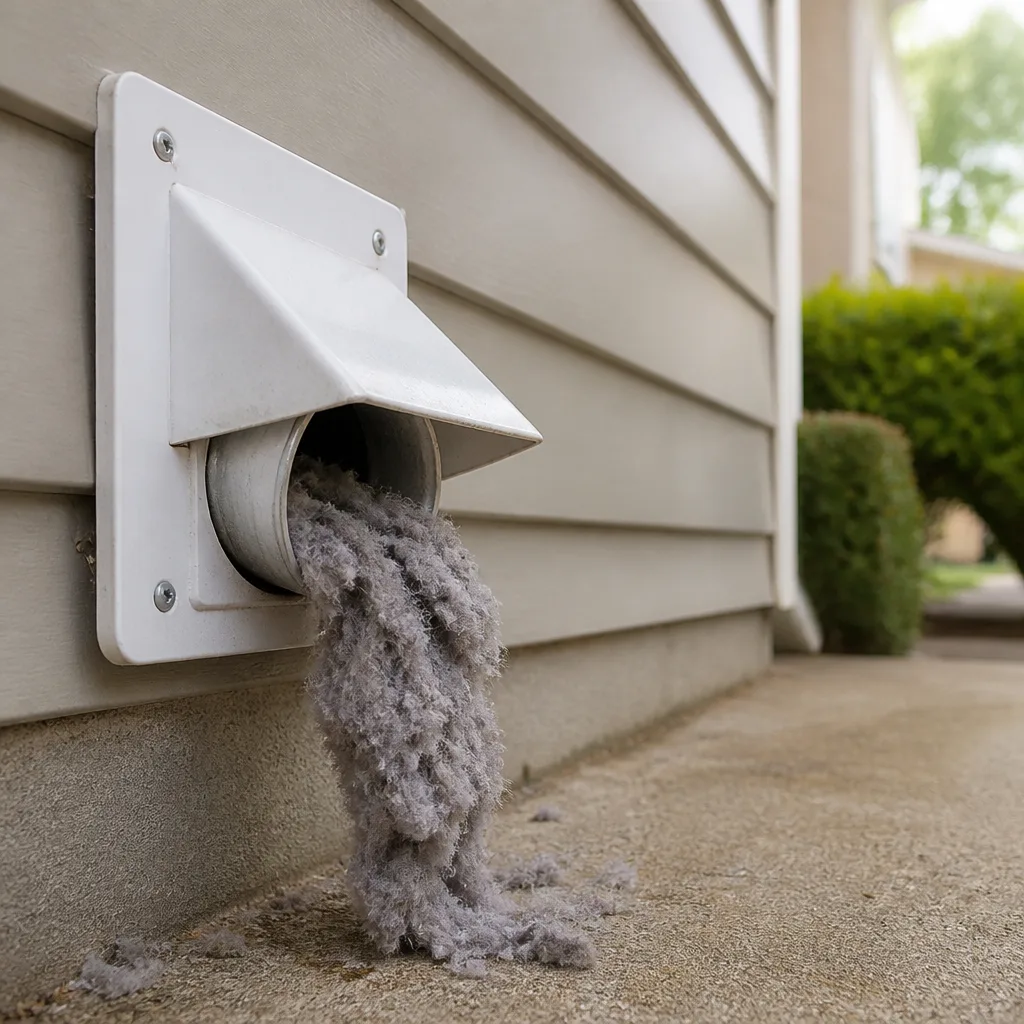 Dryer vent cleaning
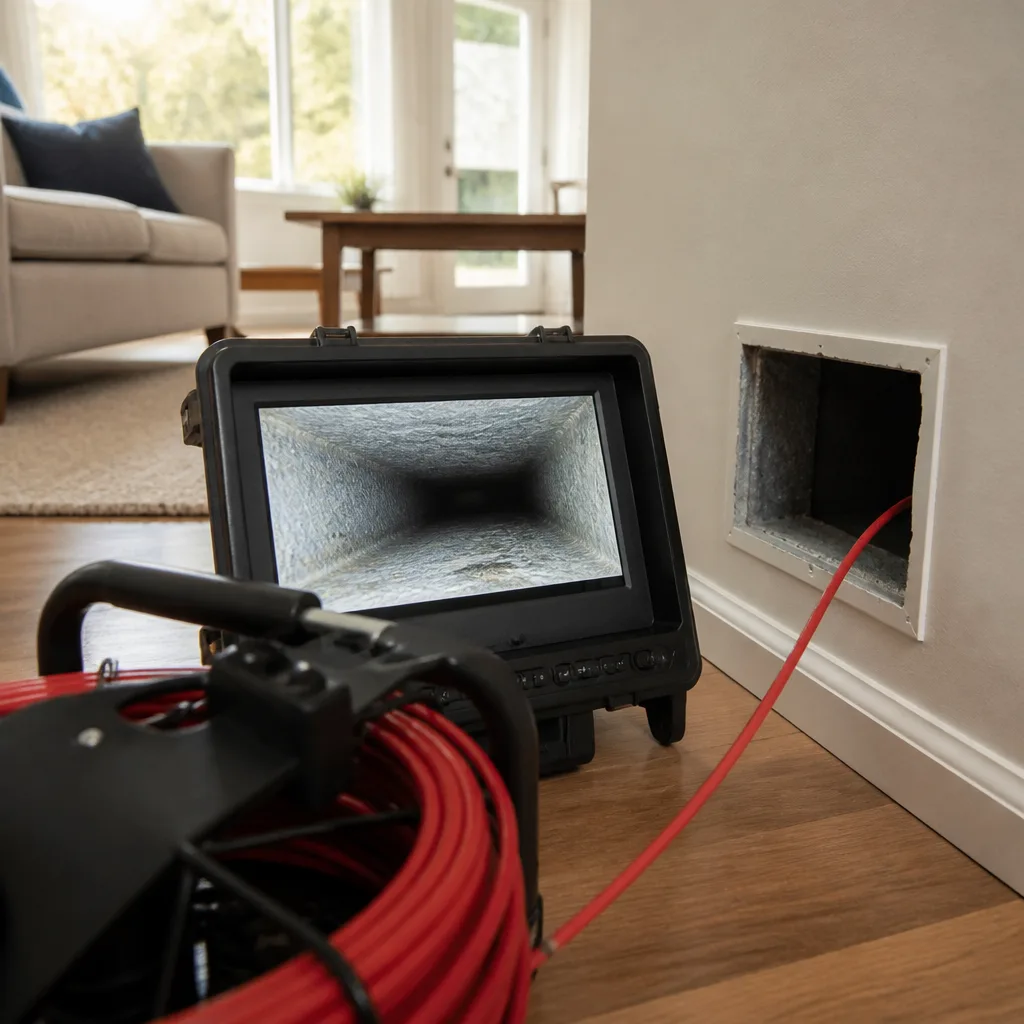 Camera inspection
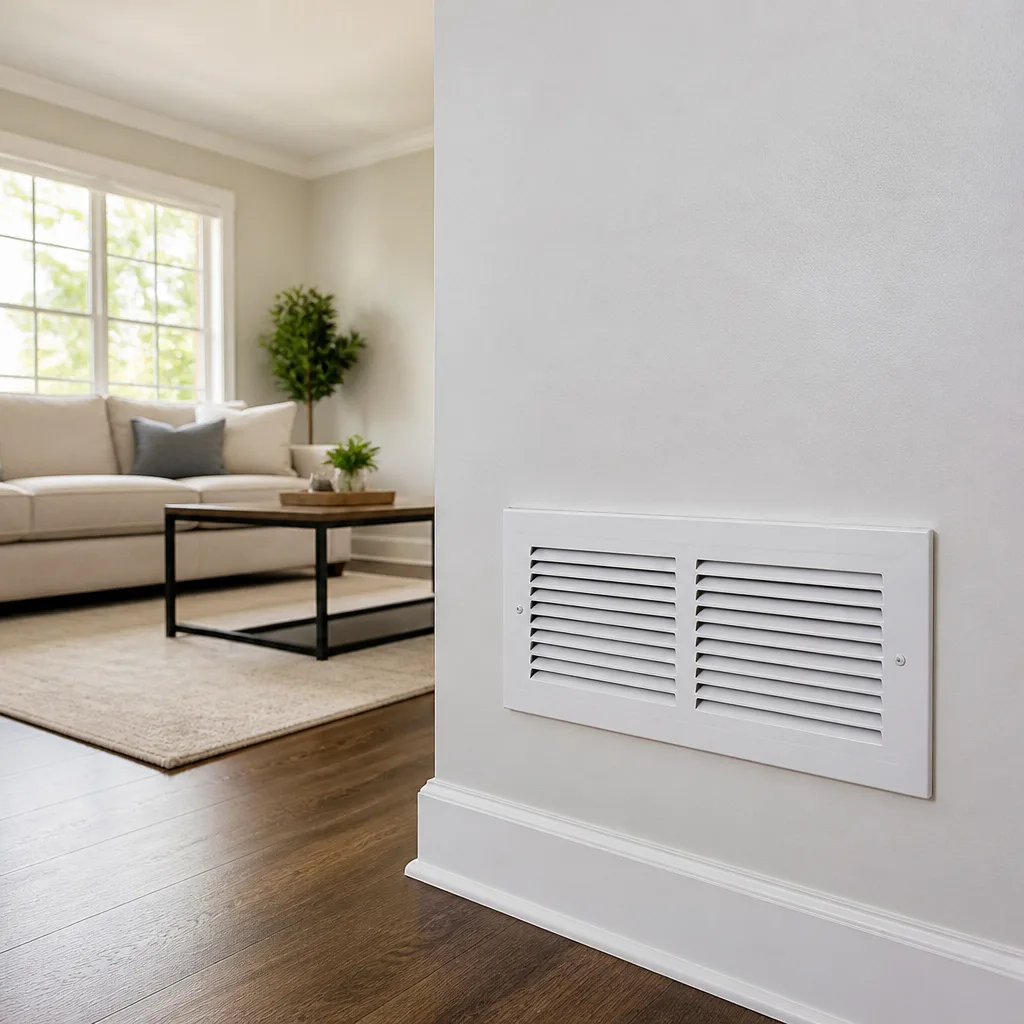 Sanitizing & deodorizing
Whole-system duct and dryer vent check with before-and-after photos - you see exactly what came out of your vents
That "$99 whole-house special" is a bait ad - the real number appears once they are in your hallway, or the "clean" is a shop-vac at the register. We photograph the inside of your ducts before and after instead.
The Complete Guide to Air Duct Cleaning in Cambridge
Here’s something most duct cleaning guides get wrong: they tell you to judge your ductwork by the size of your house. In Cambridge, that’s the wrong measure entirely. Most homes here were built before forced-air heating and cooling were standard, which means the ducts in a Cambridge triple-decker or a converted Victorian were retrofitted into spaces that were never designed to hold them. That retrofit history matters far more than square footage when you’re trying to predict what’s actually sitting inside your ductwork. This guide walks through what we’ve learned about Cambridge duct systems specifically, what professional cleaning really involves, and how to tell a real source-removal cleaning from a quick pass with a shop vacuum.
Quick Answer
Air duct cleaning in Cambridge means removing accumulated debris from the supply and return ducts, registers, and connected HVAC components of your home using professional-grade vacuum and rotary brush equipment, not just wiping the visible grilles. In Cambridge’s older housing stock, ducts typically hold more contamination than the same-length system in a newer build because retrofits add extra joints, offsets, and flex connections where debris collects. A proper cleaning uses contained HEPA vacuum pressure combined with mechanical agitation from a rotary brush system like Rotobrush, and it should include a documented verification step before the technician leaves.
Styles & brands we work with
- Whole-home duct cleaning
- Dryer vent cleaning
- Camera inspection
- Sanitizing & deodorizing
Table of Contents
- Why Cambridge’s Housing Stock Changes What’s in Your Ducts
- How Retrofitted Ductwork Creates Contamination Traps
- Source Removal vs. Contact Vacuum Cleaning: The Difference That Matters
- What Cambridge’s Urban Environment Contributes to Duct Debris
- What a Legitimate Cleaning Scope Looks Like Start to Finish
- Dryer Vent Cleaning: The Safety Service Most Homeowners Skip
- Air Duct Repair and Why Cleaning Alone Sometimes Isn’t Enough
- How Often Do Cambridge Ducts Actually Need Cleaning?
Why Cambridge’s Housing Stock Changes What’s in Your Ducts
Walk any residential block between Harvard Square and Porter and you’ll pass the same few building types: the triple-decker, the brick colonial, the converted Victorian multifamily. Almost all of them predate 1950. Many predate 1930. When HVAC contractors retrofitted forced-air systems into these homes in the years since, they were working around lath-and-plaster walls that don’t flex like drywall, structural joist bays that were never intended to carry air, and stairwells and hallways that dictate where a duct can physically go.
That’s the core reason generic cleaning guides fail Cambridge homeowners. A guide written for a subdivision in Texas is describing a system built as a system, with clean runs and manufacturer-designed fittings. A Cambridge duct system is often a compromise between what the home needed and what the walls would allow.
The practical consequences:
- Lath-and-plaster walls don’t tolerate the cutting and patching that new construction does, so retrofits often run ducts through existing cavities rather than purpose-built chases.
- Irregular joist bays repurposed as duct chases have rougher interior surfaces than galvanized rectangular duct. Rough surfaces trap debris instead of letting it blow through.
- Long horizontal runs in triple-deckers feeding upper units often have more bends and transitions, and bends are where debris settles.
- Mixed materials are common in a retrofit: some rigid sheet metal, some flex duct spliced in during a later repair or system upgrade.
None of this means a Cambridge home is a lost cause. It means the cleaning scope for a Cambridge home has to account for the specific way the system was assembled. A technician who’s only worked on new construction won’t know what to look for in a joist-bay chase. That local knowledge is worth asking about when you’re comparing quotes.
How Retrofitted Ductwork Creates Contamination Traps
Every joint, offset, and material transition in a duct system is a place where air velocity drops and debris settles. A purpose-built system in a new home has as few of these as the designer could manage. A retrofit in a century-old Cambridge home has as many as the installer was forced to work with.
Each flex connection spliced into a rigid run creates an inner lip where dust lands. Each 90-degree offset between a joist bay and a wall cavity gives debris somewhere to sit. Over years, that debris accumulates in layers, and once it’s compacted it doesn’t move on its own. It sits in the transition points, in the boot behind the register, and in the return trunk between the furnace and the first floor.
In our experience working on Cambridge systems, the areas where cleaning actually produces visible return on effort are:
- The return trunk and plenum near the air handler, where the lowest-velocity air drops the most dust.
- Boots and register drops, where debris piles up behind the visible grille.
- Flex duct spans, which have ribbed interior surfaces that trap material more stubbornly than smooth metal.
- Joist-bay chases in older homes, where sealing at the ends usually wasn’t done to today’s standards.
That last point matters. A joist-bay chase that wasn’t sealed properly at the ends will pull air (and debris) from whatever cavity it passes through. Cleaning the duct without acknowledging the leak is only half the job. This is one reason we treat air duct repair as a natural partner to cleaning rather than a separate afterthought.
Source Removal vs. Contact Vacuum Cleaning: The Difference That Matters
Two companies can both say “we clean ducts” and mean completely different things. Understanding which kind of cleaning you’re being quoted is the single most useful thing you can do before you sign anything.
Source removal cleaning means the debris is mechanically agitated and physically removed from the duct system and captured into a contained vacuum. The rotary brush head from a system like Rotobrush breaks up compacted material on the walls, while a HEPA-rated Nikro vacuum maintains negative pressure on the other end of the run so nothing escapes into the living space. What goes in the vacuum tank is no longer in your ductwork.
Contact vacuum cleaning is a technician reaching into the visible ducts with a shop-vac style hose and pulling what they can reach. It removes loose material near the surface but leaves compacted debris on the walls, in the transitions, and in the areas the hose can’t reach. It looks like progress. It doesn’t do the same job.
In newer homes with short, simple duct runs, the difference between the two approaches can be modest. In a Cambridge retrofit with multiple transitions, joist-bay chases, and long flex spans, the difference is dramatic. The contact vacuum removes the dust you could already see. The source removal pulls the material that’s been building since the last time the house had major work done.
When you ask for quotes, ask specifically how the equipment maintains negative pressure on the system, and whether the removal process uses a rotary brush or just hand tools. The answer tells you which type of cleaning you’re actually buying.
What Cambridge’s Urban Environment Contributes to Duct Debris
Residential ducts in Cambridge pull air through a filter in the return, but filters are not perfect, and Cambridge homes have to deal with a specific set of airborne inputs that quieter suburbs don’t. Dense vehicle traffic on Mass Ave, Broadway, and the arterial routes connecting Harvard, Central, Kendall, and Inman means road dust and fine particulate matter are part of the daily air load. Older buildings nearby, especially the brick structures common throughout the city, add their own contribution through masonry dust from tuckpointing and repointing work. Spring and fall bring a heavy load of tree pollen that the return system pulls in through open windows and doorways.
The Charles River matters here too, though not in the way some guides imply. The river corridor supports a dense band of vegetation, and that vegetation generates organic debris (leaves, seed material, fine plant particulate) that finds its way into return ducts during high-airflow portions of the year. Combined with the typical urban load, that means a Cambridge duct system pulls in a genuine mix of mineral dust, organic matter, and traffic-derived fine particulate, and that mix compacts into a tighter layer than a mostly-organic load would.
This shows up most clearly in two scenarios:
- Streets facing direct traffic in East Cambridge, Mid-Cambridge, and around Kendall Square tend to accumulate the densest debris loads and benefit most from a regular cleaning cycle.
- Older multifamily buildings where ductwork was retrofitted into wall cavities have less controlled intake and pull in debris from the structural cavity itself, not only from the room air.
Households where allergies or asthma are a concern often notice the difference in indoor air after a proper cleaning more than homes with lighter loads. We’d frame that as a benefit of clean ducts rather than a medical promise. The filters take some of the load, but the rest of it ends up in the system.
What a Legitimate Cleaning Scope Looks Like Start to Finish
If you want to know what you’re paying for before you hire, this is the sequence a professional cleaning should follow. Steps may vary slightly based on the home, but if any of the major steps are missing, the quote you’re looking at probably isn’t a source-removal cleaning.
- Walkthrough and scope confirmation. Before any equipment comes in, the technician walks the ducts and confirms what they’re cleaning: number of supplies, number of returns, register count, and any components (air handler, coil, humidifier) that need a separate scope. Any not-quite-right ductwork found during this walkthrough is flagged for repair.
- Containment setup. Negative pressure is established on the system before agitation starts. This is where HEPA-rated equipment does the work that a shop vacuum can’t: keeping the dust from migrating into the living space while the duct is being worked on.
- Register and boot access. Registers are removed so the boot and supply drop can be agitated directly. In a Cambridge retrofit, these boots are usually where the worst accumulation is found.
- Rotary brush agitation run to run. A rotary brush system is fed through the ducts to break up compacted material on the interior walls. This step, done properly, is the mechanical work that separates a real cleaning from a cosmetic one.
- Return and plenum cleaning. The return trunk and the plenum near the air handler are cleaned with the same approach. This is often the dirtiest part of a Cambridge system.
- Component check. Air handler, coil, and blower wheel are inspected for damage that would need repair. If sealing or a duct repair is needed, it typically gets done on the same visit rather than becoming a separate appointment.
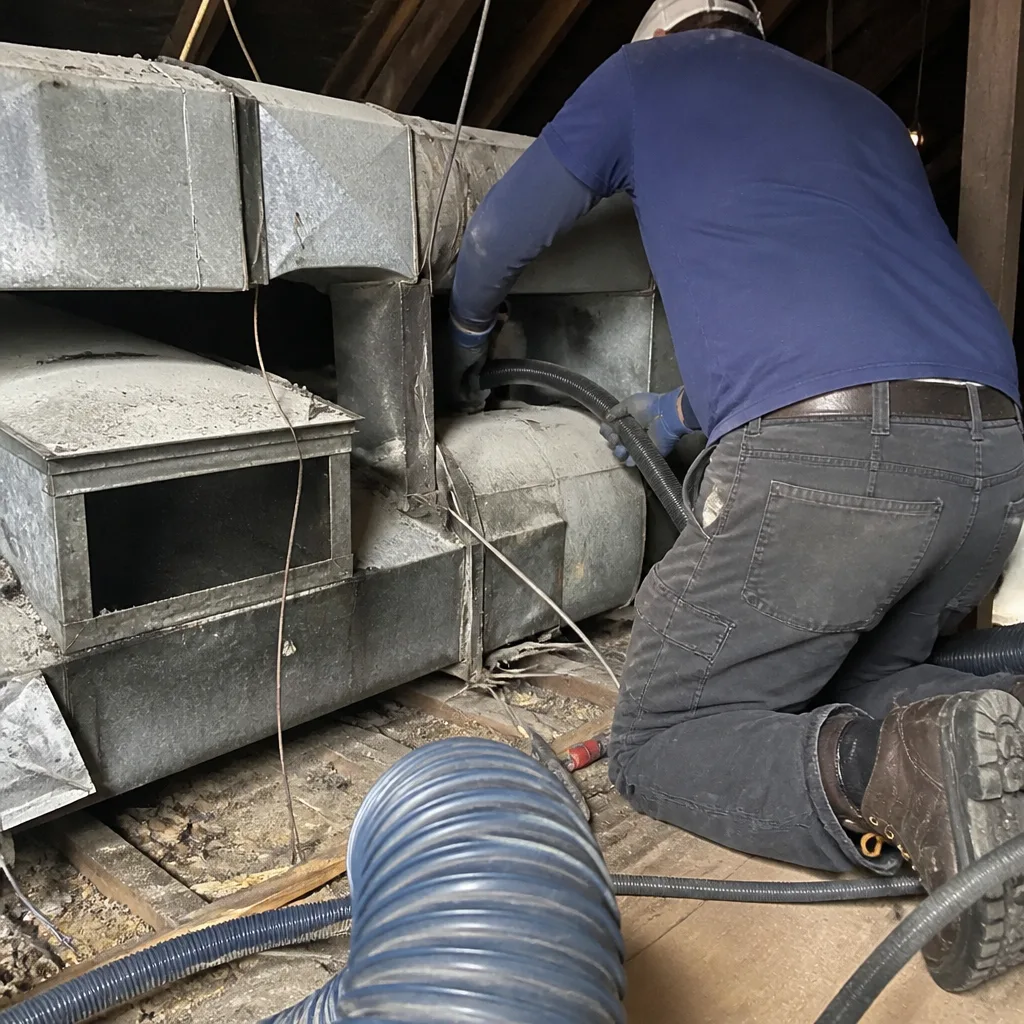
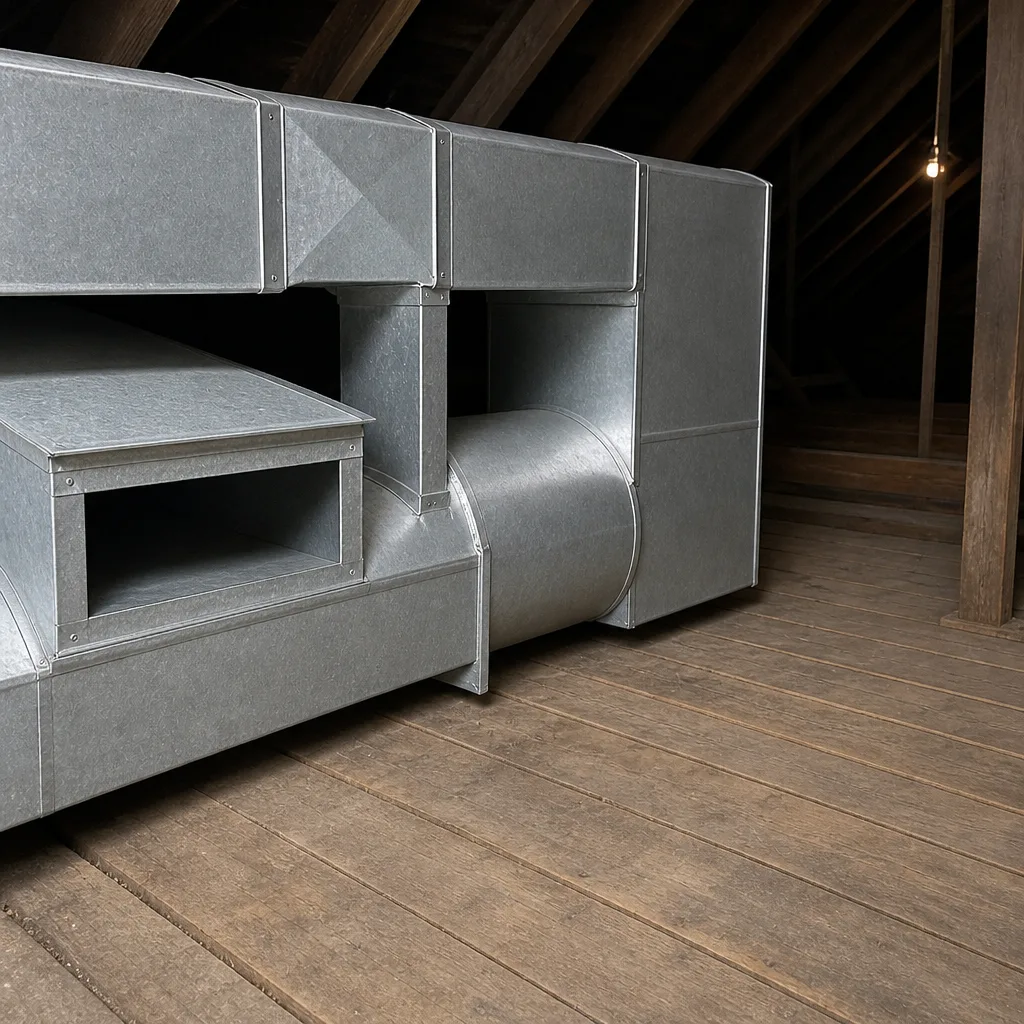
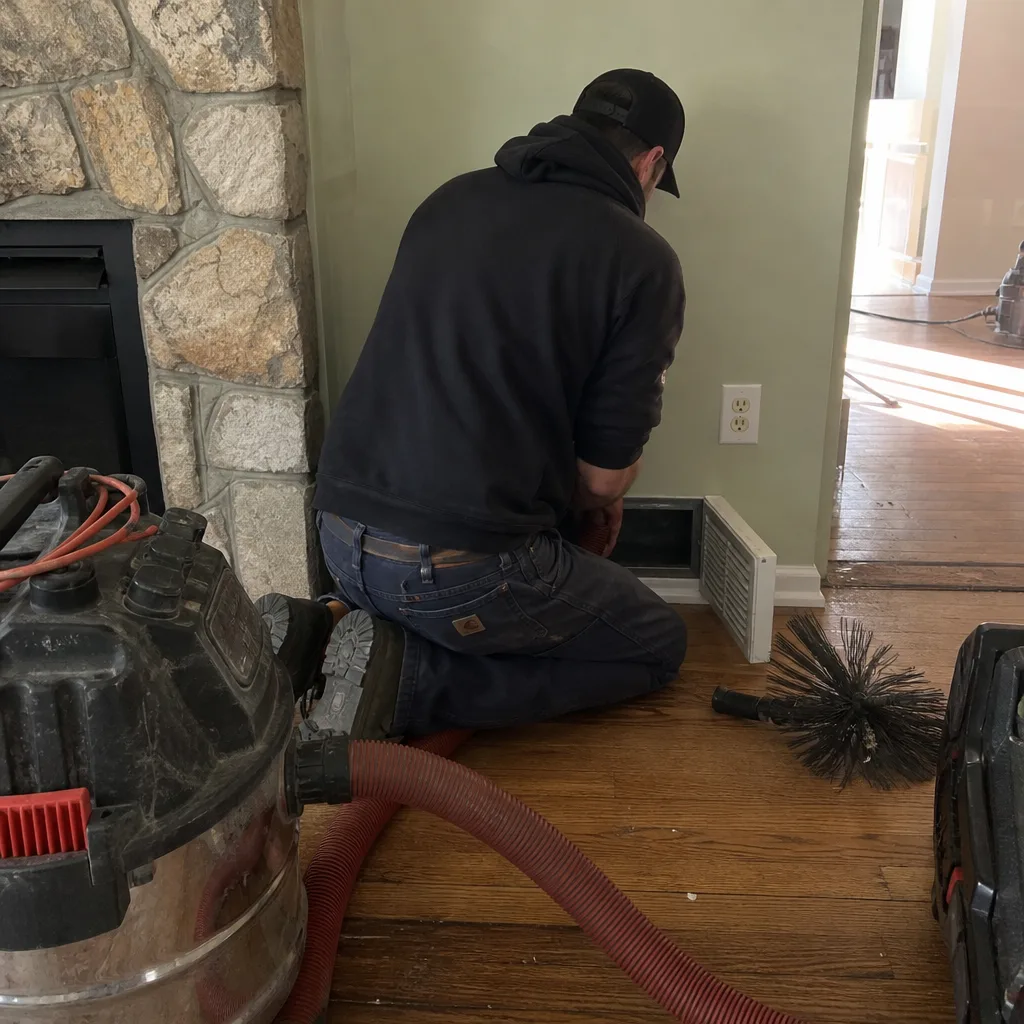
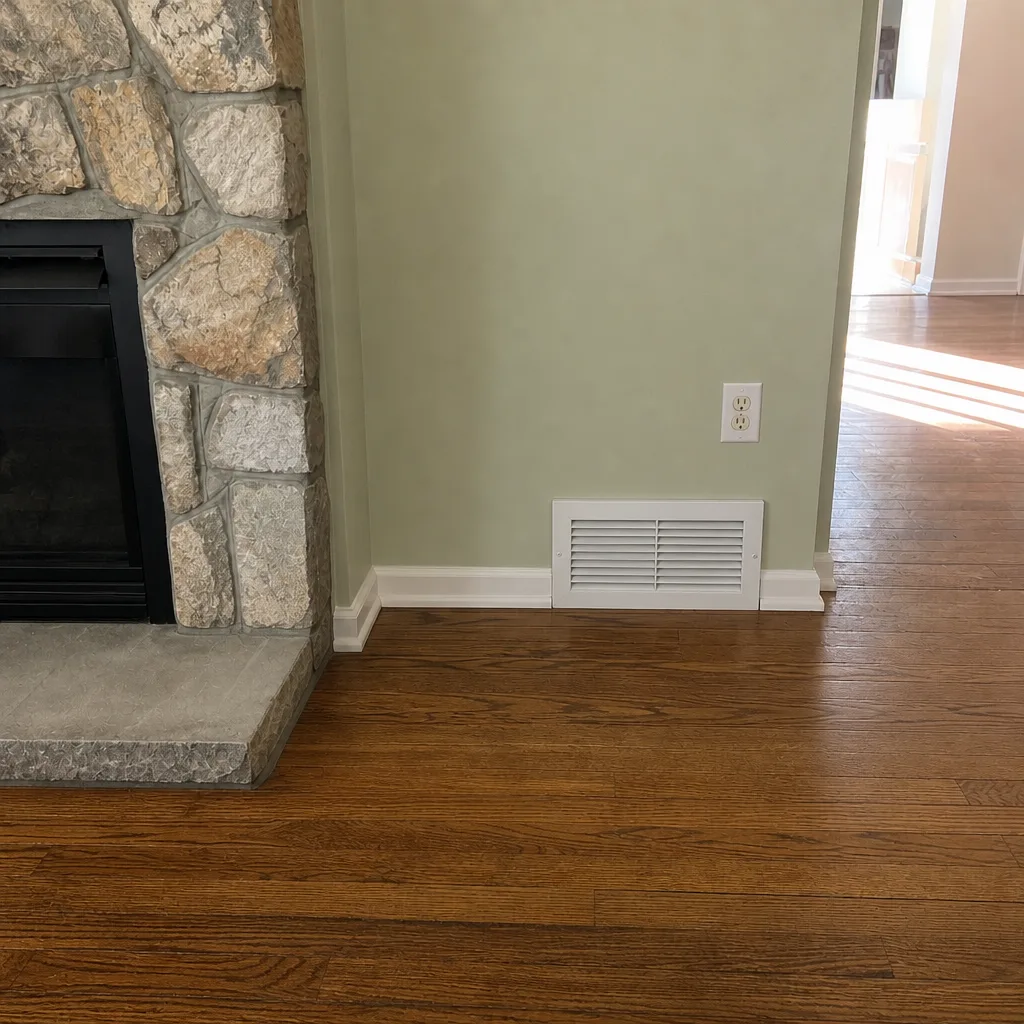
- Verification and before-and-after photos. Registers go back on, negative pressure is released, and the technician documents what was removed with photos. You should be able to see the difference in the ductwork, not just take someone’s word for it.
Cambridge homes often add a step 8: a short discussion of any air quality hardware worth considering (filtration upgrades through Honeywell or Aprilaire systems, for example) if the field findings point that way. That’s an optional conversation, not a sales pitch, and it should be framed as an upgrade path rather than a required add-on.
Dryer Vent Cleaning: The Safety Service Most Homeowners Skip
Dryer vent cleaning belongs in a duct cleaning guide because the vent is part of the same air-moving system, and because lint accumulation in a dryer vent is a recognized residential fire risk. The symptom most homeowners notice first is drying time creeping up: a load that took 45 minutes now takes 75, or a second cycle is needed to fully dry. That’s usually a sign the vent is restricted somewhere between the dryer and the exterior termination point.
In Cambridge, dryer vent runs are often longer than the dryer manufacturer intended because the machine sits in a basement or a rear utility room and the vent has to travel to an exterior wall. Every 90-degree elbow, every flex section, and every partial blockage adds resistance. Basement installs in particular tend to have the longest runs, and those are the ones that benefit most from dedicated cleaning.
Dryer vent cleaning is offered as a standalone service, separate from air duct cleaning, because the two systems need to be treated as two systems. Back-to-back scheduling is common for Cambridge homeowners who want both done, and we treat it as one visit when that’s practical.
Air Duct Repair and Why Cleaning Alone Sometimes Isn’t Enough
A cleaning can reveal a problem the ductwork was hiding. A disconnected flex span, a crushed run where a joist shifted, an unsealed boot, or a joint that separated during the original retrofit: all of these show up during cleaning on Cambridge systems regularly. When they do, cleaning the duct and leaving the damage in place is only half a solution.
That’s why air duct repair sits alongside cleaning as a core service rather than a referral. A compromised duct doesn’t hold pressure. If it doesn’t hold pressure, an air handler has to work harder to push air to the rooms it’s meant to serve, and dust migrates in through the failure point instead of staying out of the system. Repairs close those gaps and restore the system’s ability to keep conditioned air where it belongs.
Typical repair findings in Cambridge housing stock:
- Separated flex spans at the air handler plenum.
- Unsealed boot-to-floor penetrations that leak into the wall cavity.
- Crushed or kinked runs in tight joist bays, especially where later renovations changed the structural clearance.
- Loose register boots that no longer seat properly after decades of use.
Every one of these is a place the system is pulling in unfiltered air. Finding one during a cleaning is a good outcome, not a bad one. You learn about it while the technician is on site and can fix it on the same visit.
How Often Do Cambridge Ducts Actually Need Cleaning?
There isn’t a single answer that works for every home. The honest version is that duct cleaning intervals depend on what the system is pulling in and how the system was built. That said, the practical ranges Cambridge homeowners tend to land in:
- Every 3 to 5 years for a typical older Cambridge home on a busy street with standard filtration.
- Every 2 to 3 years for households with allergies or asthma, pets, or recent renovation work.
- Every 5 to 7 years for a quieter street with a newer system and good filtration.
- Sooner than any of these if registers look visibly dark inside, if a return grille is showing buildup, if the home has had major renovation or repair work, or if HVAC service has flagged airflow problems.
Newer construction in Cambridge tends to fall at the longer end of these intervals because the systems are simpler and sealed more consistently. Retrofit systems in old homes tend toward the shorter end because the accumulated debris load is higher and the system adds more of it with each heating and cooling season.
For a broader picture of the service itself, our air duct cleaning page covers the process, equipment, and what to expect during a visit. If the focus is your dryer, our dryer vent cleaning page is the more direct resource. And if you’re also working through questions about the local market or community, our Cambridge page is a good place to start.
Common Mistakes to Avoid
- Hiring on the phone quote alone. A per-vent or per-register figure that gets quoted without seeing the system is a guess, and it’s often the start of a bait-and-switch approach where the price grows after the technician arrives. Ask for a written scope that lists what’s included and what isn’t.
- Assuming new construction is fine. Cambridge does have newer builds, but they’re the exception. Assuming the ducts are clean because the building is new ignores the fact that even recent retrofits in old neighborhoods inherit the constraints of the original structure.
- Skipping the return side. The return trunk and plenum collect the worst of the debris load, and cleaning that stops at the supply registers leaves the dirtiest part untouched.
- Treating dryer vent cleaning as a someday task. Long vent runs in basement installs are the exact configuration where lint buildup matters most. It’s a fire-safety service, not a convenience upsell.
- Not asking about repair findings on the walkthrough. Duct problems found during a walkthrough are the ones a cleaning is best positioned to fix. If your technician doesn’t mention repair as part of the scope, ask specifically what they found on the duct inspection.
- Falling for truck-mounted-only promises. For duct cleaning, portable HEPA-rated equipment like the Nikro system can maintain the required pressure just as well as truck-mounted equipment and reaches basement and upper-floor ductwork that a truck can’t access from outside a triple-decker.
- Ignoring the equipment question. If a company can’t name the rotary brush system or the vacuum they use, they either don’t have one or don’t want to talk about it. Either way, keep asking.
See the difference
 Before
 After
 Before
 After
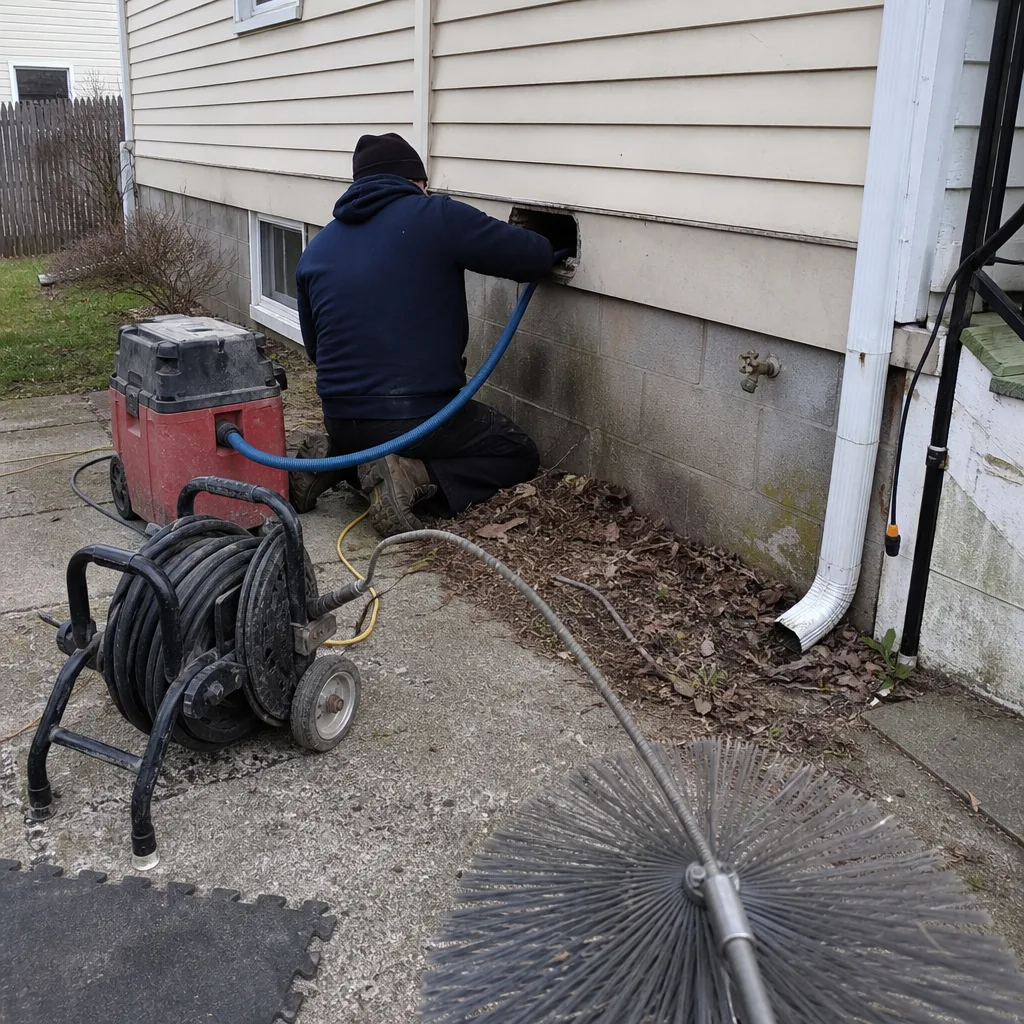 Before
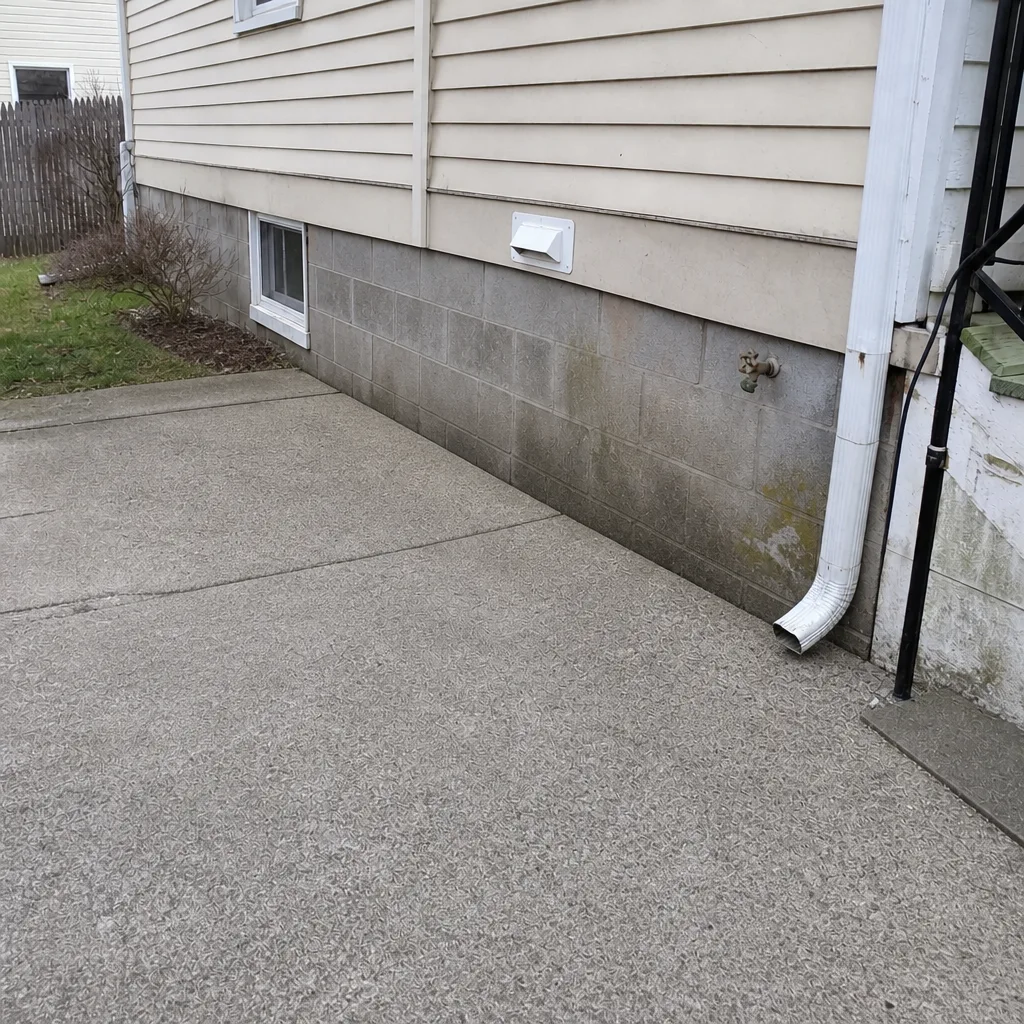 After
When to Call a Professional
Some duct situations call for a professional visit and others can wait. Call when any of the following is true: your registers are visibly dark inside and the grilles show buildup that repeated wiping won’t fix; a household member with asthma or allergies has noticed worsening symptoms after a renovation or move; your HVAC technician has flagged airflow or pressure issues; the dryer is taking noticeably longer than it used to; you’ve just bought a Cambridge home and don’t know when the ducts were last cleaned; or you can see separated, crushed, or disconnected ductwork in a basement or mechanical space. The last one in particular is a repair situation, not just a cleaning one. Duct Cleaning Cambridge offers free estimates in Cambridge – call (888) 393-0038. We answer 24/7. Fast dispatch from 7am to 7pm, Sunday through Friday.
Frequently Asked Questions
Air duct cleaning in Cambridge is priced per system, not per vent, and the written estimate you receive before work starts is the price you pay. A typical residential whole-home cleaning covers all supply and return runs on the system, the plenum, and all accessible registers; the exact figure depends on the number of runs, whether there’s a repair component, and system layout. We don’t quote a teaser figure over the phone for a system we haven’t seen, because that’s exactly how the industry got its bait-and-switch reputation. Call (888) 393-0038 for a free estimate.
Usually because they’re quoting a different service than a source-removal cleaning. A low quote often covers a contact-vacuum pass on the visible duct sections, not a rotary brush run through the full system with contained HEPA vacuum pressure. In older Cambridge ductwork with retrofit transitions and joist-bay chases, that difference shows up in what’s left behind after the technician leaves. Ask what equipment they’ll use and what’s actually in the scope before comparing prices.
Ask for before-and-after photos of your own ducts from the cleaning. A legitimate cleaning will also leave a vacuum tank with material in it and a physical trail of what was removed. If your technician can’t or won’t show you the before-and-after record, that’s a data point worth weighing. We document the work on every job specifically because the industry has earned skepticism here.
For a typical older Cambridge home on a busy street, every 3 to 5 years. Quieter streets and newer builds can stretch to 5 to 7 years. Households with pets, allergy concerns, or recent renovation should look at the 2 to 3 year range. Call (888) 393-0038 for a free assessment if you’re not sure where you fall.
Yes, meaningfully. Triple-deckers usually have separate systems or a shared system with long runs feeding multiple floors, and those runs pick up more transitions and bends. A proper cleaning has to clean each run individually and confirm the return side is covered. If your unit shares ductwork with other units in the building, the scope needs to reflect that before work starts.
Cleaner ducts reduce the dust load circulating through the home, which many people with allergies or asthma notice as a difference in how a room feels after a cleaning. That’s a benefit of clean ducts, not a medical guarantee. If allergy symptoms are the primary concern, ask about filtration upgrades (Honeywell or Aprilaire systems are common choices) as a companion to cleaning, not a replacement for it.
There’s no legal requirement to do so in Cambridge, but a documented cleaning is often a useful piece of information to hand a buyer, especially in older homes where duct condition is otherwise a question mark. A cleaning record plus before-and-after photos give the buyer something concrete to look at.
The Bottom Line
Cambridge ductwork is not the same as ductwork anywhere else. The retrofit history of triple-deckers, brick colonials, and converted multifamilies creates contamination patterns that national guides miss, and it means the cleaning scope has to account for extra joints, joist-bay chases, and long flex spans. Real source removal cleaning with a contained HEPA system and a rotary brush is what actually removes debris from Cambridge systems. Contact vacuum cleaning is a different service that’s often sold at the same name. Expect to check the equipment, ask for the scope in writing, and look at before-and-after photos before the invoice changes hands. Our duct cleaning Cambridge team covers cleaning, repair, and dryer vent work under one roof so the whole system gets looked at together, not contracted out to three separate numbers.
Ready to Get Your Cambridge Ducts Handled?
Duct Cleaning Cambridge delivers cleaning, repair, and dryer vent service using professional-grade equipment from Rotobrush and Nikro, with Abatement Technologies capability for jobs that require contained air filtration, plus air quality hardware from Honeywell and Aprilaire when your home needs the upgrade. Our technicians have up to 11 years of experience, and every job is quoted with a written estimate before work starts. Call (888) 393-0038 for a free estimate. We answer 24/7. Fast dispatch from 7am to 7pm, Sunday through Friday.
Written by the team at Duct Cleaning Cambridge.