
Last updated November 15, 2026
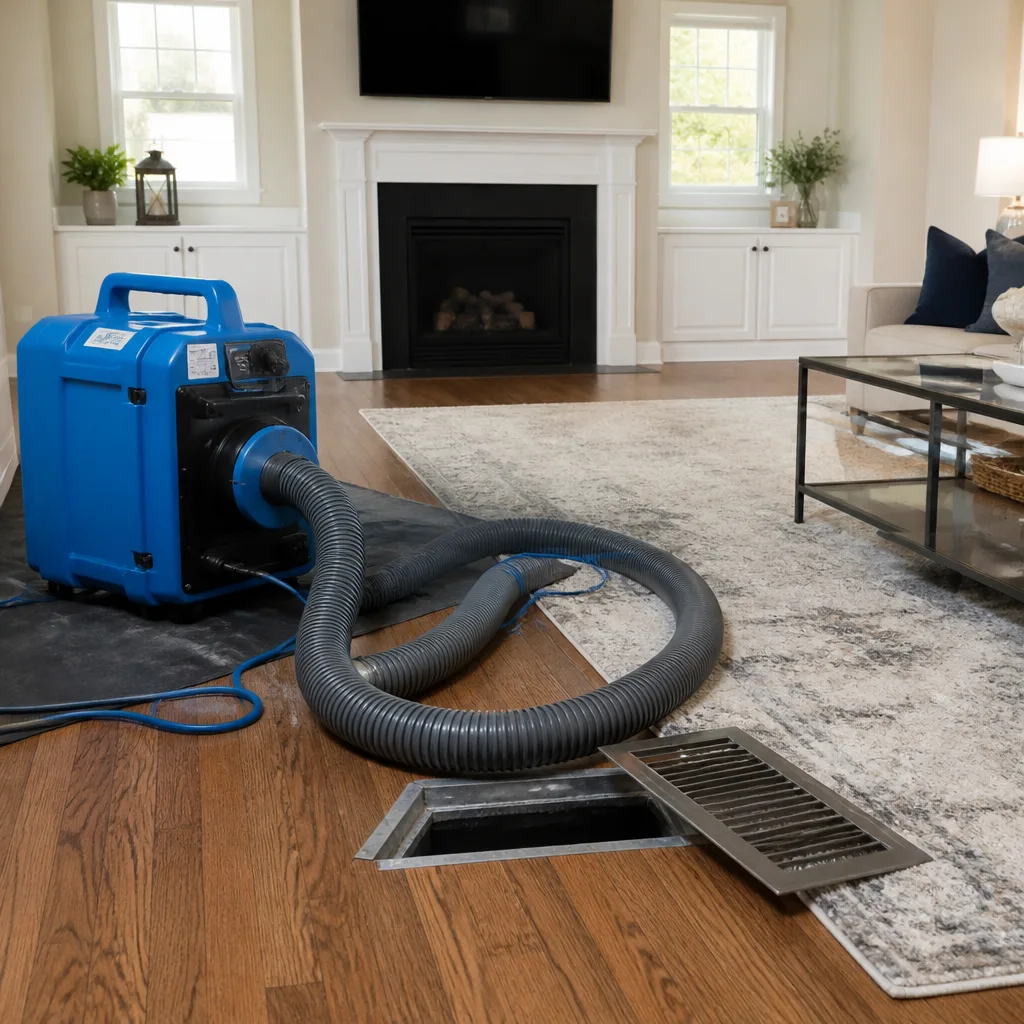 Whole-home duct cleaning
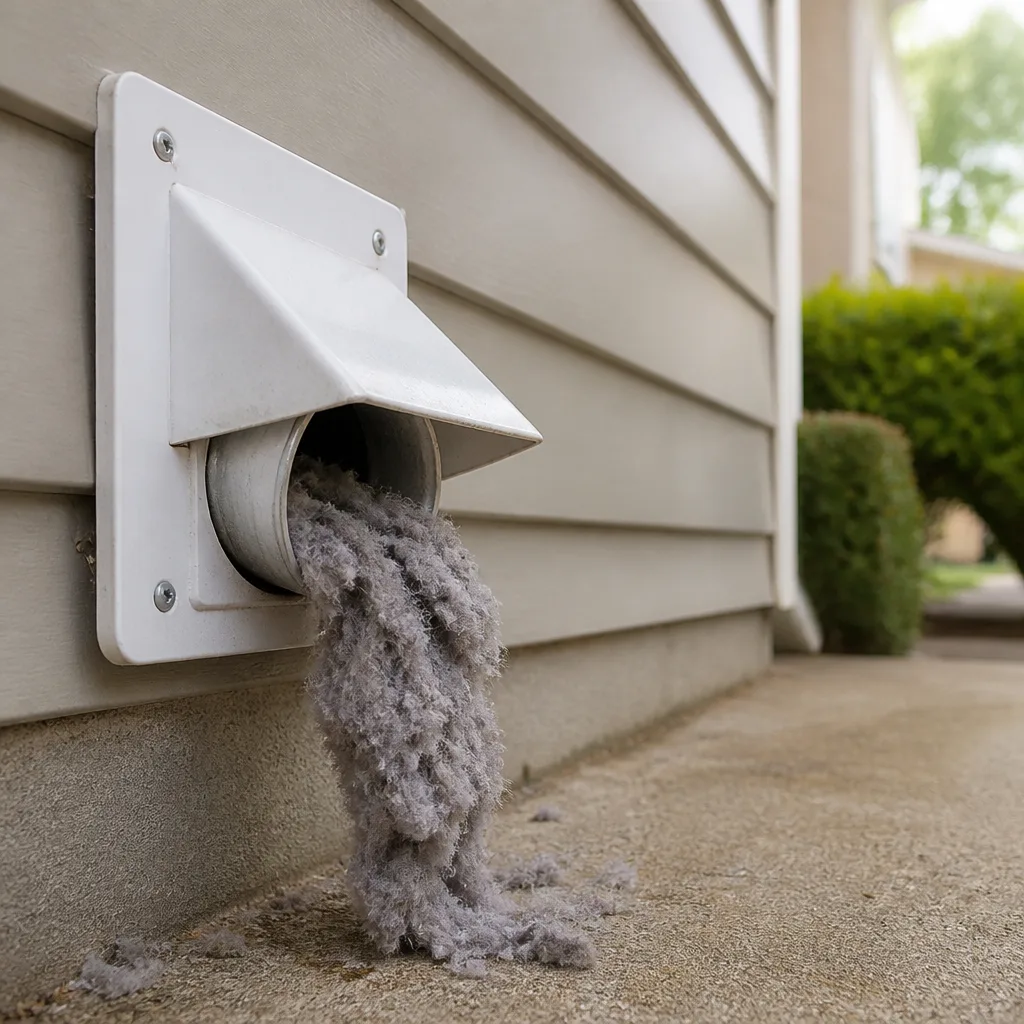 Dryer vent cleaning
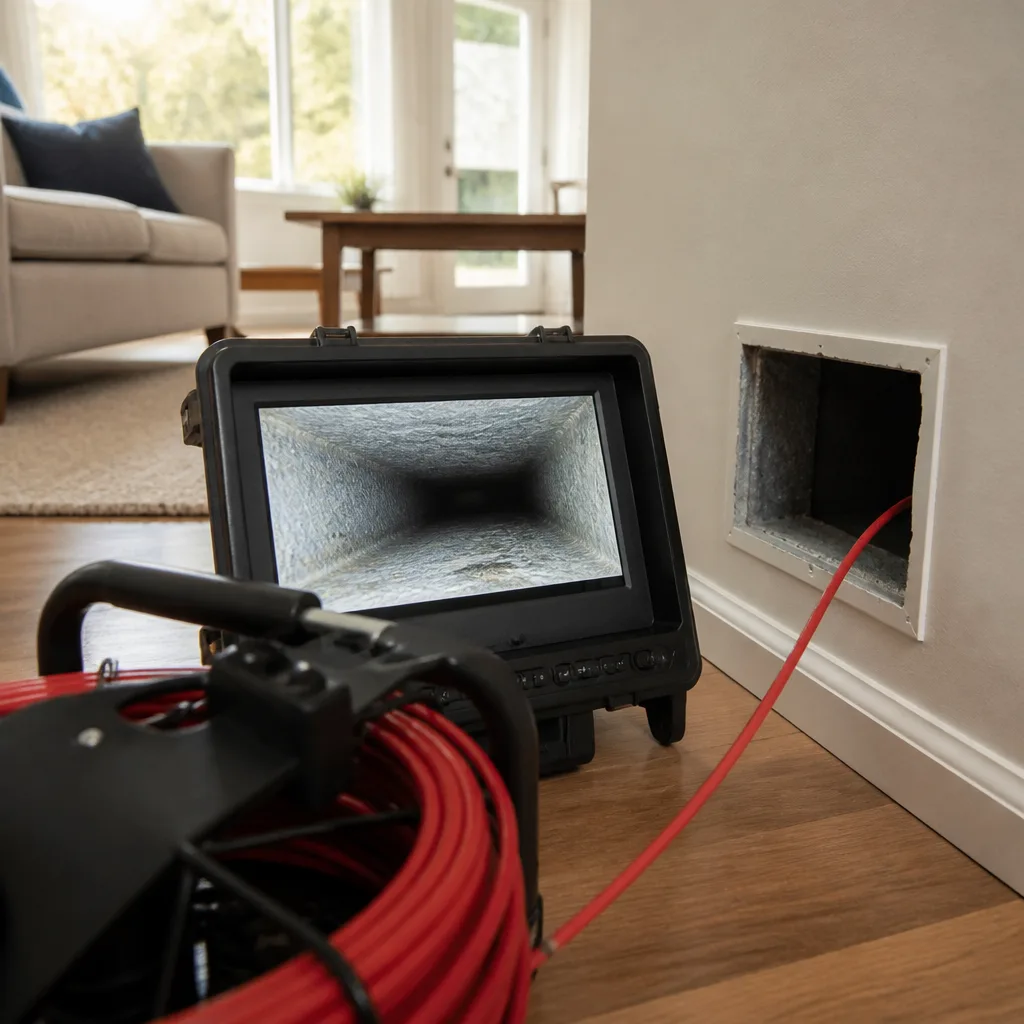 Camera inspection
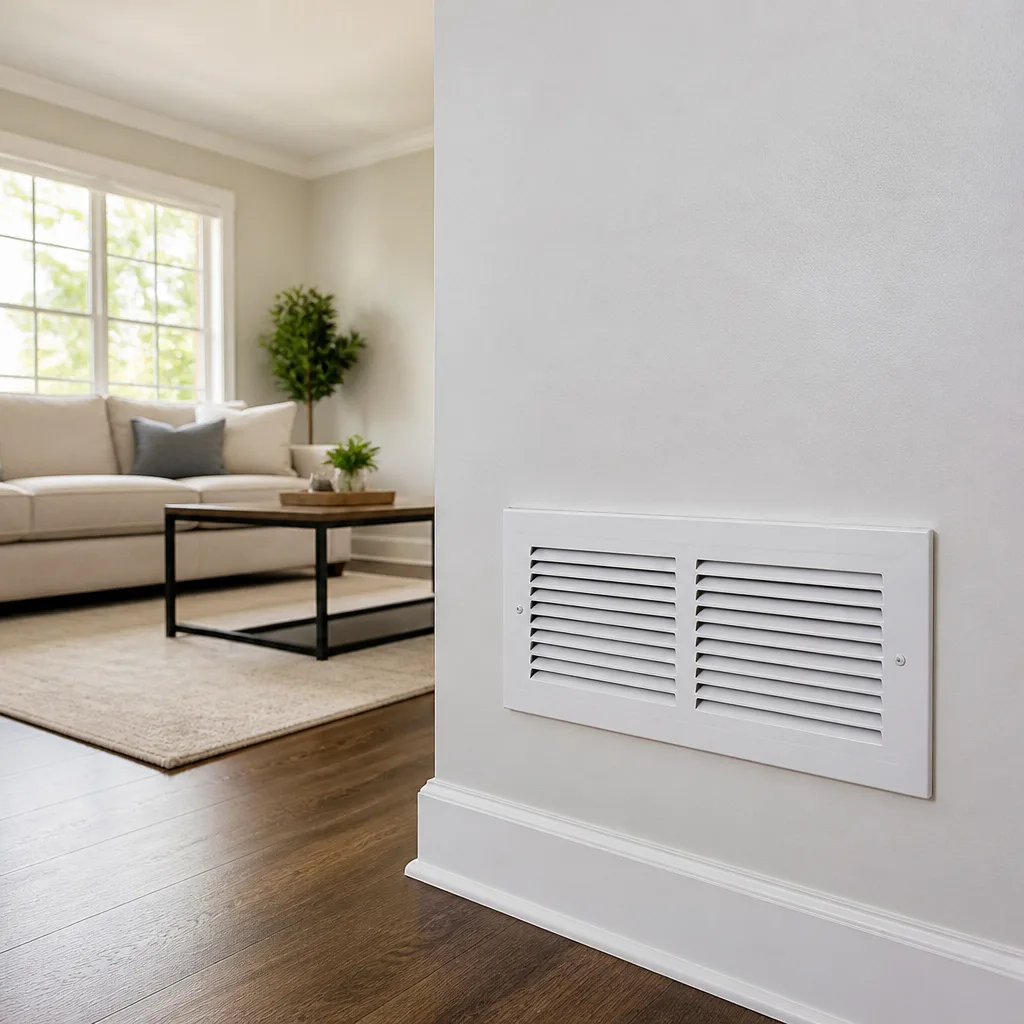 Sanitizing & deodorizing
Whole-system duct and dryer vent check with before-and-after photos - you see exactly what came out of your vents
That "$99 whole-house special" is a bait ad - the real number appears once they are in your hallway, or the "clean" is a shop-vac at the register. We photograph the inside of your ducts before and after instead.
Air Duct Cleaning Permits, Codes & Inspections in Cambridge, MA: What You Need to Know
Your contractor doesn’t need a permit to clean your ducts. They might need one to fix what they find, and that’s the conversation most homeowners aren’t prepared for. In Cambridge, the line between routine cleaning and permitted construction runs through duct modifications, air handler replacements, and remediation work, and it moves depending on the age of the building. This guide walks through what’s permit-free, what triggers the Inspectional Services Department, how Massachusetts sanitary code treats rental property duct systems, and where lead paint rules come into play in the city’s dense pre-1978 housing stock. By the end, you’ll know which questions to ask before anyone touches your ductwork, and how to document a job so a future dispute doesn’t land on you.
Quick Answer
Cleaning, inspecting, and filter replacement on existing ductwork generally does not require a permit in Cambridge. Building permits are typically triggered when ductwork is modified, relocated, or newly installed, when an air handler or HVAC unit is replaced, and when mold remediation crosses a square-footage threshold that changes the scope from cleaning to construction. Any work disturbing painted surfaces in pre-1978 housing may also fall under the EPA Renovation, Repair and Painting (RRP) rule. The written scope of work is what tells you which category your job is in.
Styles & brands we work with
- Whole-home duct cleaning
- Dryer vent cleaning
- Camera inspection
- Sanitizing & deodorizing
Table of Contents
- What’s Permit-Free: Cleaning, Inspection, and Filter Replacement
- What Triggers a Cambridge Building Permit
- Massachusetts Sanitary Code: 105 CMR 410 and Rental Property Ducts
- Lead Paint, the EPA RRP Rule, and Older Cambridge Housing
- When You Need an IAQ Inspection Report
- How Cambridge Inspectional Services Handles HVAC Complaints
- The Paper Trail That Protects You
- Common Mistakes to Avoid
What’s Permit-Free: Cleaning, Inspection, and Filter Replacement
Cleaning is maintenance, not construction. When a technician removes debris from existing ductwork with rotary brush equipment and a HEPA-rated vacuum, the ducts themselves don’t change shape, position, or function. Cambridge doesn’t issue permits for maintenance of an existing system, and no reputable contractor should tell you otherwise.
The same applies to most of the work that happens during a standard visit:
- Source removal cleaning. Mechanical agitation plus negative-pressure vacuum on existing ducts, registers, and plenum surfaces.
- Visual inspection. Camera work or hand access through registers to document interior conditions.
- Filter replacement. Swapping a filter in an existing filter slot is not construction.
- Dryer vent cleaning. Clearing lint from the vent run is maintenance. See our dryer vent cleaning page for how that service works.
- Register and grille removal for access. Taking a grille off to reach inside the duct and putting it back is routine.
Where homeowners get confused is the word “repair.” If a technician finds a disconnected flex run, a crushed section behind a wall, or a boot that’s separated from the floor, that’s damage that goes beyond cleaning. Repairing it often means cutting into a wall or ceiling, extending a run, or fastening new duct material to the existing system, and that moves the job into permit territory. This is exactly why we favor the air duct cleaning process that pairs cleaning with a full visual assessment: you want to know what’s behind the register while the technician is already there, not three months later when the system starts whistling.
Health-related cleaning jobs add a layer worth knowing about. If mold is present, the scope of work changes from “clean” to “remediate,” and remediation has its own industry standard and, in many cases, its own permitting and documentation requirements. Ask the contractor to distinguish between cleaning a duct that has surface dust and remediating a duct that has active microbial growth. The two jobs cost different amounts, take different amounts of time, and carry different paperwork.
What Triggers a Cambridge Building Permit
Cambridge’s Inspectional Services Department oversees building permits, and the city generally requires one for work that changes the structure, mechanical systems, or life-safety components of a building. For ductwork, the triggers cluster into a few recognizable categories.
- New duct installation or relocation. Running a new branch to a finished room, moving a register to a different wall, or adding a supply run for a basement conversion needs a permit.
- Duct modification that alters system capacity. Resizing trunk lines, adding or removing branches that change airflow calculations, or rerouting ductwork around a new beam all fall here.
- Air handler or HVAC equipment replacement. Replacing the furnace, air handler, or coil typically requires a mechanical permit, and sometimes an electrical permit as well.
- Mold remediation above a scope threshold. Small-area cleanup may be treated as maintenance; larger remediation work is treated as construction and often requires both permitting and third-party verification.
- Work in a historic district or on a designated property. Cambridge has multiple historic districts, and exterior work or work that affects character-defining features may need additional review.
One practical detail matters here: a permit is a statement that a licensed professional has documented the scope, the code basis, and the inspection plan. If a contractor tells you “we’ll just do it while we’re in there” without paperwork on a job that involves modifying ductwork, that’s a signal to slow down. Ask them to describe the scope in writing before any cuts are made. If the scope includes modification, ask who pulls the permit and who holds the license that the permit is tied to.
We connect homeowners with independent local professionals, so the crew that shows up for a cleaning job may not be the crew that pulls a mechanical permit. That’s normal, and it’s not a problem as long as you know who is handling which piece. Ask that question in advance. If the answer is vague, ask again.
Massachusetts Sanitary Code: 105 CMR 410 and Rental Property Ducts
Massachusetts 105 CMR 410 sets the minimum standards of fitness for human habitation, and it is the regulation that governs what a landlord must maintain in a rental unit. Ducts and the ventilation they provide sit inside that frame: if a rental unit’s HVAC system is not functioning to provide adequate heating or ventilation, the landlord has an obligation to address it. This isn’t a cleaning requirement per se; it’s a habitability requirement, and it’s the piece landlords most often misunderstand.
What 105 CMR 410 does in practice:
- It establishes minimum standards for heating, ventilation, and the systems that deliver them.
- It gives local boards of health and inspectional services the authority to inspect and cite violations.
- It creates a documented record that a tenant can use if a condition is not corrected.
For Cambridge landlords, this means duct conditions that impair heating or ventilation can become a habitability issue even if the ducts are technically “clean enough.” A crushed return trunk in a basement ceiling, a disconnected run in a ceiling void, or a system so leaky that upper-floor bedrooms don’t get adequate heat are the kinds of problems that get a landlord a notice rather than a cleaning bill. The fix sits in the repair category, not the cleaning category, and that’s where permits, documentation, and licensed work enter the picture.
Cambridge has a high proportion of rental housing and a lot of multi-family conversions, including three-deckers in neighborhoods like Cambridgeport, Somerville-line blocks off Beacon Street, and the dense blocks near Inman Square. Those buildings frequently have duct systems that were retrofitted decades after original construction, and the retrofit work often wasn’t documented. When a landlord needs to respond to a formal complaint, the missing documentation becomes the problem. Ask for before-and-after photos, a written scope, and a report of what was found. That paper trail is what a landlord shows a housing inspector.
If you own or manage a Cambridge rental and want a starting point, our Cambridge service overview walks through the residential and light-commercial work we handle and the documentation we produce on a typical job.
Lead Paint, the EPA RRP Rule, and Older Cambridge Housing
Cambridge has a large concentration of pre-1978 housing, and that fact changes how duct work should be approached in a lot of this city’s older buildings. The federal EPA Renovation, Repair and Painting rule requires that contractors performing renovation, repair, or painting work that disturbs painted surfaces in pre-1978 housing be RRP-certified and follow lead-safe work practices. It applies to interior work above a small threshold of disturbed painted surface area, and duct access work routinely crosses that threshold.
Where this comes up in practice:
- Cutting into walls or ceilings for access. If reaching a duct run requires opening painted drywall or plaster, the cut surface is a lead-dust risk in pre-1978 buildings.
- Removing and reinstalling painted registers or grilles. Paint on older metal grilles can be lead-based.
- Disturbing basement or attic surfaces. Original painted framing, door casings, and window trim around duct runs frequently falls into the pre-1978 category.
The RRP rule does not require a permit from the city, but it does require a certified firm and a certified renovator on the job, and it produces documentation you should keep. Before any contractor cuts into painted surfaces in your home, ask three questions:
- Is your firm RRP-certified?
- Will you provide the EPA “Renovate Right” pamphlet and the pre-renovation disclosure?
- What lead-safe work practices will you follow on the access points?
If the building was constructed before 1978 and the answer to any of those is uncertain, wait. The cost of pausing to verify credentials is nothing next to the cost of lead dust in a home with young children. Cleaning a duct system that’s been accumulating debris in a pre-1978 Cambridge building is a reasonable service; cutting into painted surfaces without lead-safe practices is not.
Dryer vent work deserves a separate note. A dryer vent runs through walls and can carry lint and moisture, and the risk isn’t just airflow. Reduced airflow from a clogged vent is the leading cause of residential dryer fires, which is why we treat dryer vent cleaning as a standalone service rather than an add-on. The job is maintenance; it does not generally require a permit. But the same lead-paint caution applies if the vent run is behind painted surfaces in an older building.
When You Need an IAQ Inspection Report
An indoor air quality inspection report is not a permit. It’s a documented finding, produced by a trained inspector, that records the conditions of a duct system at a point in time. Reports become valuable in three situations, and each has its own flavor of “you’ll be glad you have this.”
Insurance claims
When a claim involves water damage, smoke, mold, or a fire, the insurer will want documentation of pre-loss conditions, post-loss conditions, and the scope of work performed. A written report with photos and a description of the system’s condition before and after remediation is the standard. Cleaning alone without documentation is harder to support in a claim, which is why we produce before-and-after photos of the ducts on every job.
Real estate transactions
Buyers and their inspectors increasingly ask for a documented duct assessment in Cambridge, especially on older homes where the system may have been retrofitted. A report tells the buyer what they’re inheriting; it also tells the seller what a reasonable repair scope looks like before an offer turns into a negotiation over undisclosed HVAC condition. Some of our customers request an inspection report specifically because they’re selling.
Landlord-tenant disputes
When a tenant raises an air quality complaint and a landlord believes the system is fine, a documented inspection is the neutral record. It cuts both ways: it may show the system is in good condition, or it may show a repair is needed. In either case, the record is what keeps a 105 CMR 410 conversation from becoming a hearing.
A typical IAQ inspection covers visual inspection of accessible ductwork, moisture readings, photo documentation, and a written summary. It is not a guarantee of air quality in a medical sense, and no honest inspector will frame it that way. What it is, is evidence.
How Cambridge Inspectional Services Handles HVAC Complaints
A complaint filed with Cambridge’s Inspectional Services Department generally moves through a predictable sequence: intake, inspection, a written notice of violation if conditions warrant, a compliance period, and a follow-up inspection. The process is complaint-driven; unless a permit has been pulled, the city does not routinely inspect residential ductwork.
What this means for homeowners and landlords:
- If a permit has been pulled, the work will be inspected as part of the permit process. The inspector checks that the work matches the scope.
- If a complaint has been filed, an inspector evaluates the condition against the applicable code, most often 105 CMR 410 for habitation issues.
- If neither has happened, there is no active inspection.
The complaint track is where documentation matters most. A landlord who has a written scope, photos, and a dated service record is in a much stronger position than a landlord who says “we had someone look at it.” A homeowner who has an inspection report showing a pre-existing condition can sometimes resolve an insurance dispute that would otherwise drag on. Complaints are not always about cleaning; sometimes they’re about a duct system that’s never been properly repaired, and the cleaning that gets scheduled in response doesn’t solve the underlying problem.
If you’re on the receiving end of a complaint, the first step is getting the system looked at by someone who can tell you whether the ducts need cleaning, repair, or both. Our technicians have up to 11 years of experience and work with professional-grade equipment from Rotobrush and Nikro, which means the report you get back isn’t guesswork. We connect Cambridge homeowners and property managers with local professionals who can produce the paperwork the city, an insurer, or a tenant asks for.
The Paper Trail That Protects You
Nothing in this guide matters if you don’t walk away with documentation. The paperwork is the difference between a job that’s easy to defend and a job that isn’t. Here’s the standard set we recommend asking any contractor for, whether you hire through us or someone else.
- Written scope of work before anything starts. What will be cleaned, what will be inspected, what will be left alone. If a repair is anticipated, the scope says so, and identifies whether a permit is part of it.
- Proof of license and insurance for any work that requires one. Mechanical work in Cambridge typically requires a licensed professional; ask for the license number on the written scope.
- RRP certification for pre-1978 buildings. The EPA RRP firm certification and the renovator’s training certificate. This matters specifically for jobs that open painted surfaces.
- Before-and-after photos of the ducts. Not the exterior of the machine, not the register, and not a stock image. Photos of the inside of the ducts, with the register and room context visible so you can see which duct is which.
- A dated service record. Date, service performed, technician name (first name and license if applicable), and a summary of findings.
- A findings report for any repair recommendation. If a technician tells you a run needs replacement or a boot needs to be reattached, ask for a written description and a photo. If the recommendation is to hire a separate licensed contractor, get the referral in writing.
Keep this paperwork with your home records. If you sell the home, the buyer’s inspector will ask for it. If you rent the property, the housing inspector will want to see it. If you file a claim, your insurer will ask for it. The paper you have on hand is the paper that protects you.
Common Mistakes to Avoid
- Assuming “cleaning” always covers the problem. Cleaning won’t fix a crushed duct or a disconnected run. If your HVAC service warning was about performance, ask the contractor to describe what they’ll inspect in addition to what they’ll clean.
- Letting a contractor cut into painted surfaces without RRP verification. In a pre-1978 Cambridge building, opening a wall to reach ductwork without lead-safe work practices creates a dust risk you don’t want to inherit. Ask for RRP certification before the first cut.
- Accepting a verbal scope of work. A one-line invoice that says “duct cleaning” doesn’t identify what was cleaned, what was inspected, or what was found. Insist on a written scope with a line-item description, even if it’s short.
- Pulling a landlord’s habitation complaint into a cleaning call. If a Cambridge tenant has filed a 105 CMR 410 complaint about heating or ventilation, address the underlying performance issue first, because cleaning won’t satisfy the inspection.
- Hiring on price alone. The cheapest quote is sometimes a crew with a shop vacuum and no documentation. Ask what equipment the contractor uses. Rotobrush rotary brush systems and Nikro HEPA-rated vacuum equipment behave very differently from a consumer unit.
- Skipping documentation of pre-existing conditions. If a duct system has a known problem before a job, get it photographed and noted. Without that, a future dispute can land on the contractor’s account or yours.
- Assuming the city inspects every job. Unless a permit is pulled or a complaint is filed, Cambridge’s Inspectional Services Department isn’t looking at your ducts. That makes your own documentation the only record.
See the difference
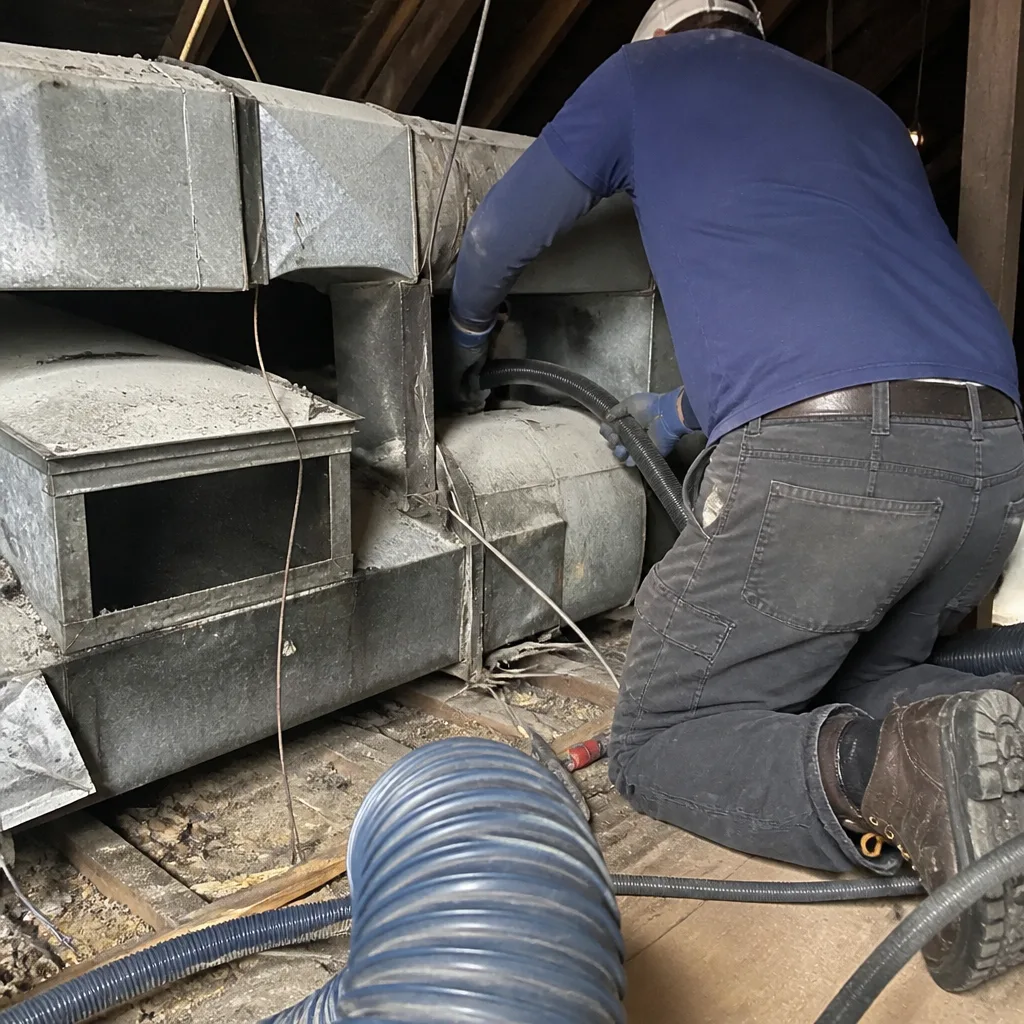 Before
 After
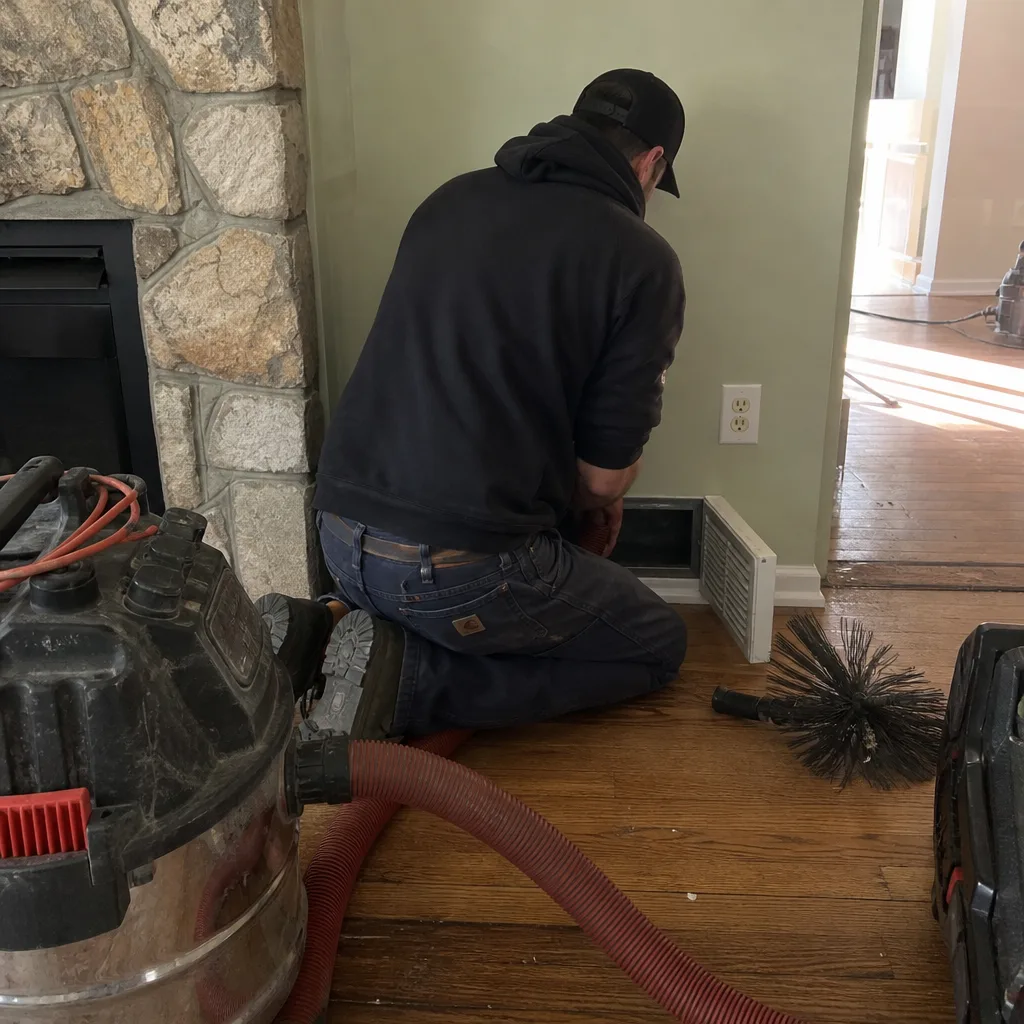 Before
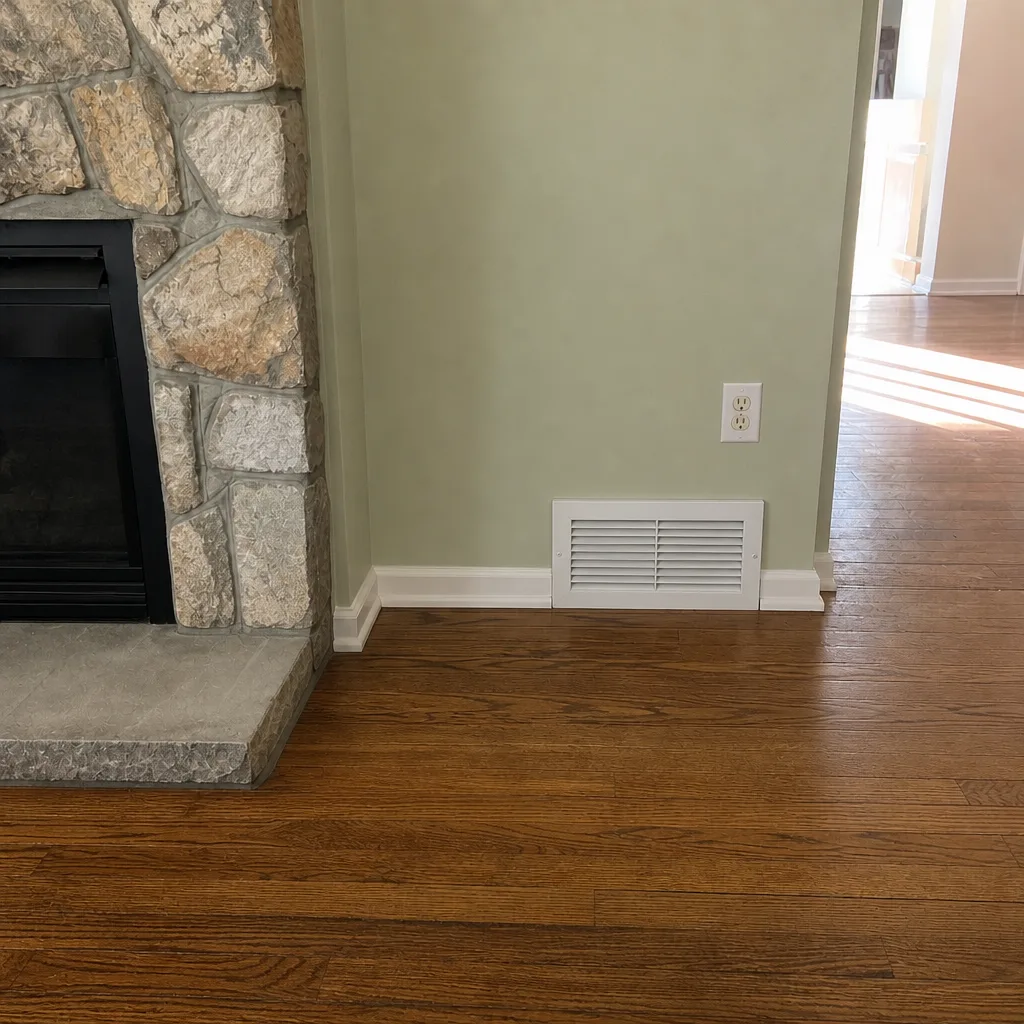 After
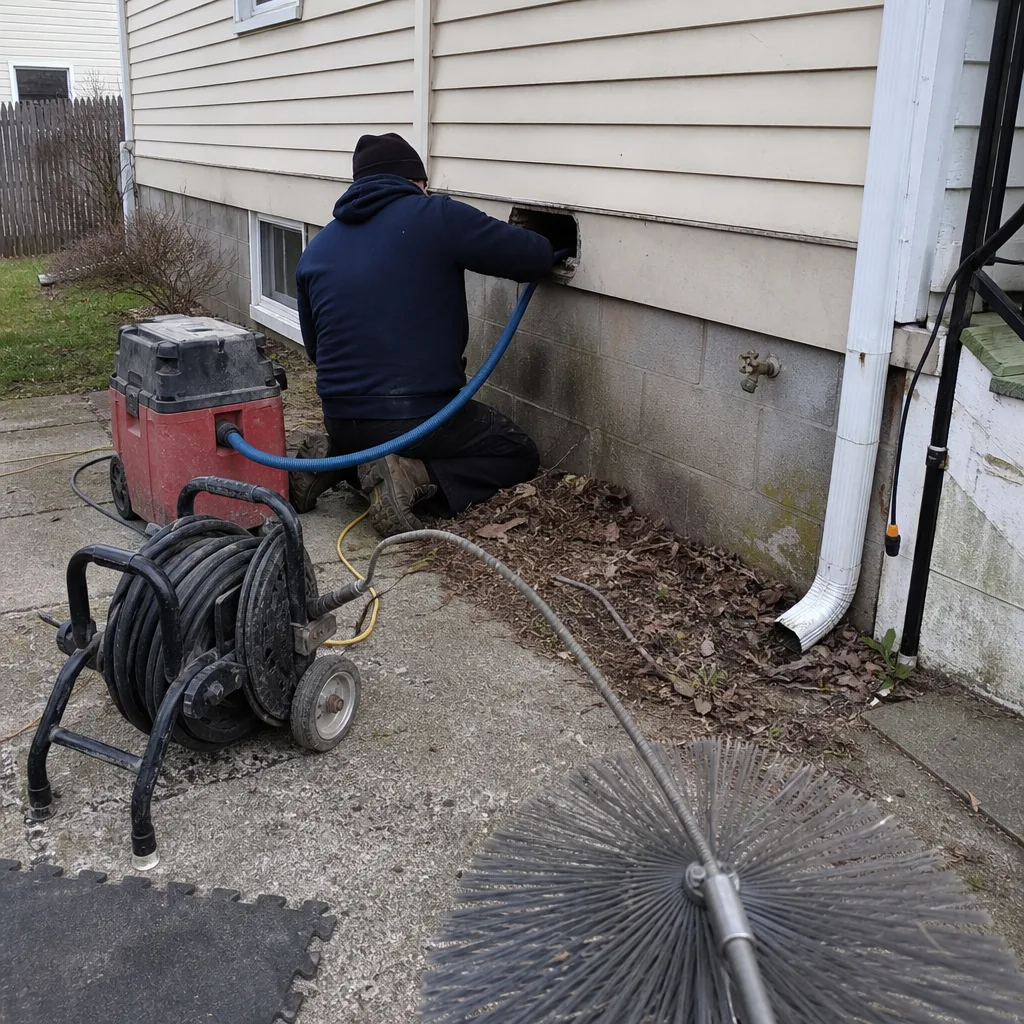 Before
 After
When to Call a Professional
Call a professional when your system is underperforming, when a home inspection flagged the ductwork, when you’re moving into an older Cambridge property and want to know what you’re inheriting, when a landlord or tenant dispute has started, or when you’re ready to do a maintenance cleaning and want a written record of the system’s condition. Also call when the scope is unclear: a licensed contractor can tell you whether a job stays in the cleaning category or moves into repair and permitting. The one scenario where you should stop and call first is any job that requires cutting into painted surfaces in a pre-1978 building, because that’s where the RRP question has to be settled before the work begins. Duct Cleaning Cambridge offers free estimates in Cambridge. Call (888) 393-0038. We answer 24/7. Fast dispatch from 7am to 7pm, Sunday through Friday. For a broader look at the company, see Duct Cleaning Cambridge.
Frequently Asked Questions
No. Cleaning existing ductwork, visual inspections, and filter replacement do not require a building permit in Cambridge. A permit is typically triggered when ductwork is modified, relocated, or newly installed, when an air handler or HVAC unit is replaced, or when mold remediation crosses into a construction-scale scope. Ask for a permit determination before any cutting begins. Call (888) 393-0038 for an exact quote on your job. Estimates are free.
105 CMR 410 requires a landlord to maintain minimum standards of fitness for human habitation, which includes heating and ventilation systems that function properly. It does not use the word “cleaning,” but it does require the systems delivering heat and ventilation to work. A duct system that impairs heating or ventilation can be a habitability issue even if it is not visibly dirty. Get an inspection before a tenant files a complaint, not after.
It can. If reaching the ductwork requires cutting into painted surfaces in pre-1978 housing above the rule’s disturbance threshold, the work falls under the EPA Renovation, Repair and Painting rule. A contractor performing that work should be RRP-certified and should provide the Renovate Right pamphlet and pre-renovation disclosure. If they can’t produce those, pause the job. Call (888) 393-0038 for a free estimate if you want a second look at your scope.
Cleaning is enough for routine maintenance. An IAQ inspection report is worth the cost when you’re filing an insurance claim, buying or selling a home, or in a landlord-tenant dispute. The report records the system’s condition at a specific date, which is what insurers, buyers, and housing inspectors actually need. Ask your contractor whether a written findings report comes with the cleaning or is a separate service.
Cambridge’s Inspectional Services Department responds to complaints with an inspection and, if warranted, a written notice. You’ll be asked to correct the condition within a compliance period. Your best protection is a dated written scope, photos of the system before and after any work, and a clear picture of whether the issue is cleaning or repair. If the complaint involves performance rather than cleanliness, get a repair assessment, not another cleaning quote.
Quotes vary because the industry has no standardized scope, and some contractors price per vent while others price per system. We price per system, and we give you one flat price in a written estimate before work starts, so the invoice at the end is a single number agreed up front. Typical ranges depend on system size, access, and whether repair work is needed. Call (888) 393-0038 for an exact quote. Estimates are free.
Ask for before-and-after photos of the inside of your ducts, not the exterior of the equipment. A contractor who can show you what was inside your ducts before the work and what’s inside them after is a contractor who can document the job. We produce those photos on every job and include them with the written service record. If a contractor can’t or won’t provide them, that’s a signal.
The Bottom Line
Cleaning your ducts in Cambridge doesn’t require a permit, but repairing them might, and the line between the two is what this guide is about. Know the permit-free work (cleaning, inspection, filter replacement, dryer vent cleaning), know the permit triggers (duct modification, air handler replacement, larger mold remediation, historic-district work), and know the paperwork (written scope, license and insurance, RRP certification for pre-1978 buildings, before-and-after photos, dated service record). Massachusetts 105 CMR 410 sets landlord obligations for habitation; the EPA RRP rule sets lead-safe requirements for older buildings; Inspectional Services responds to complaints and permits, not routine maintenance. Keep the paper trail. It’s what protects you when the question isn’t whether the job was done but whether it can be proven. Our technicians have up to 11 years of experience and use professional-grade Rotobrush and Nikro equipment, and Abatement Technologies units for containment work. For a deeper look at how we handle the full system, see our air duct cleaning page and our Cambridge service overview.
If you’re ready to get a clear picture of your duct system or want a written scope before you commit to anything, call Duct Cleaning Cambridge. Call (888) 393-0038. We answer 24/7. Fast dispatch from 7am to 7pm, Sunday through Friday. We connect homeowners and property managers in Cambridge with independent local professionals who do the work and document it, and we give you a free estimate with one flat price per system agreed before the job starts.
Written by the team at Duct Cleaning Cambridge.