
Last updated November 15, 2026
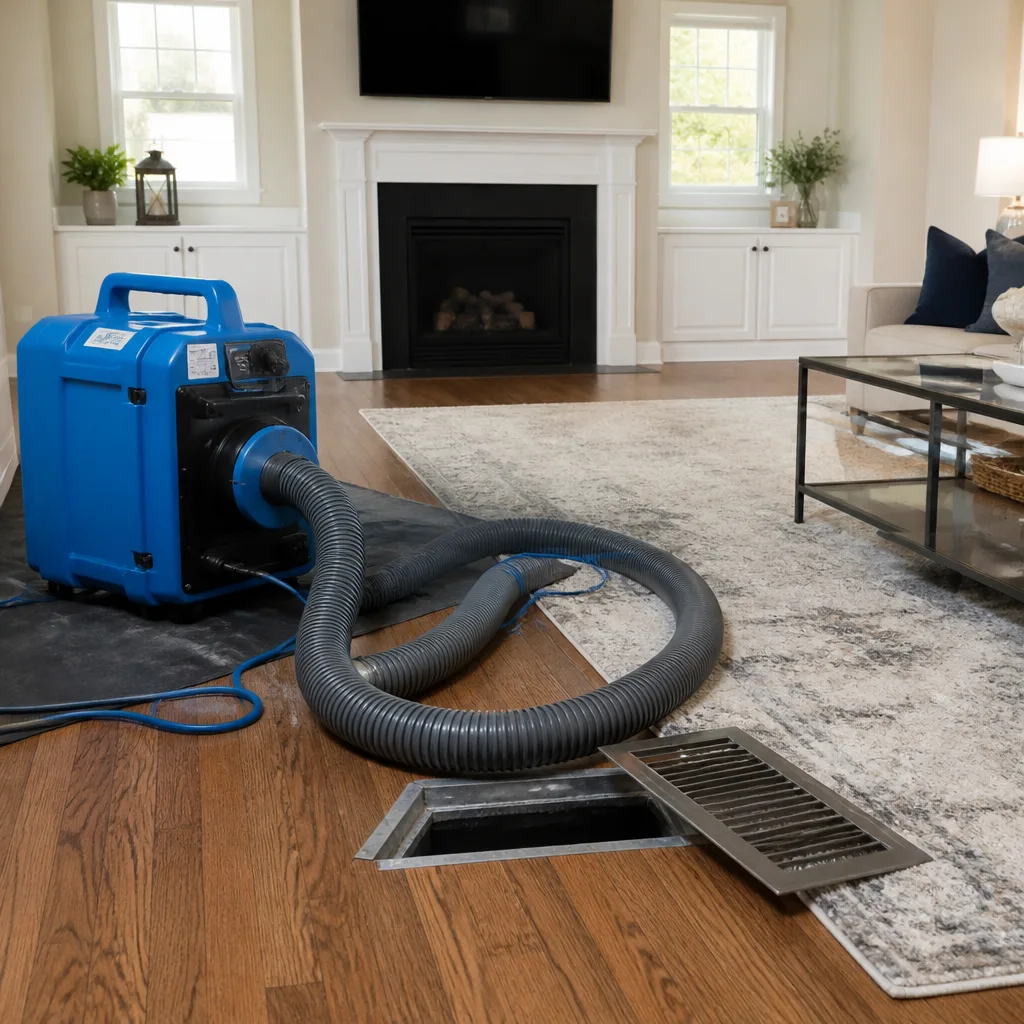 Whole-home duct cleaning
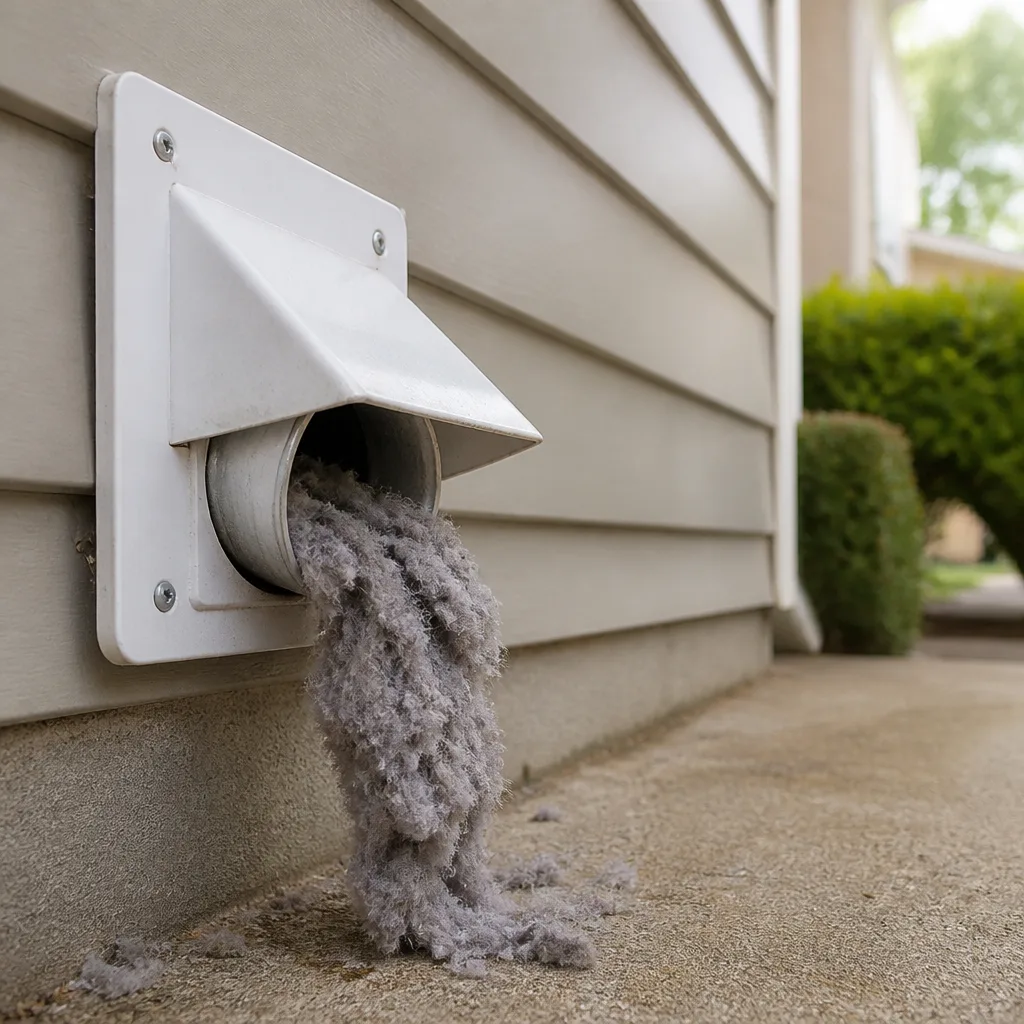 Dryer vent cleaning
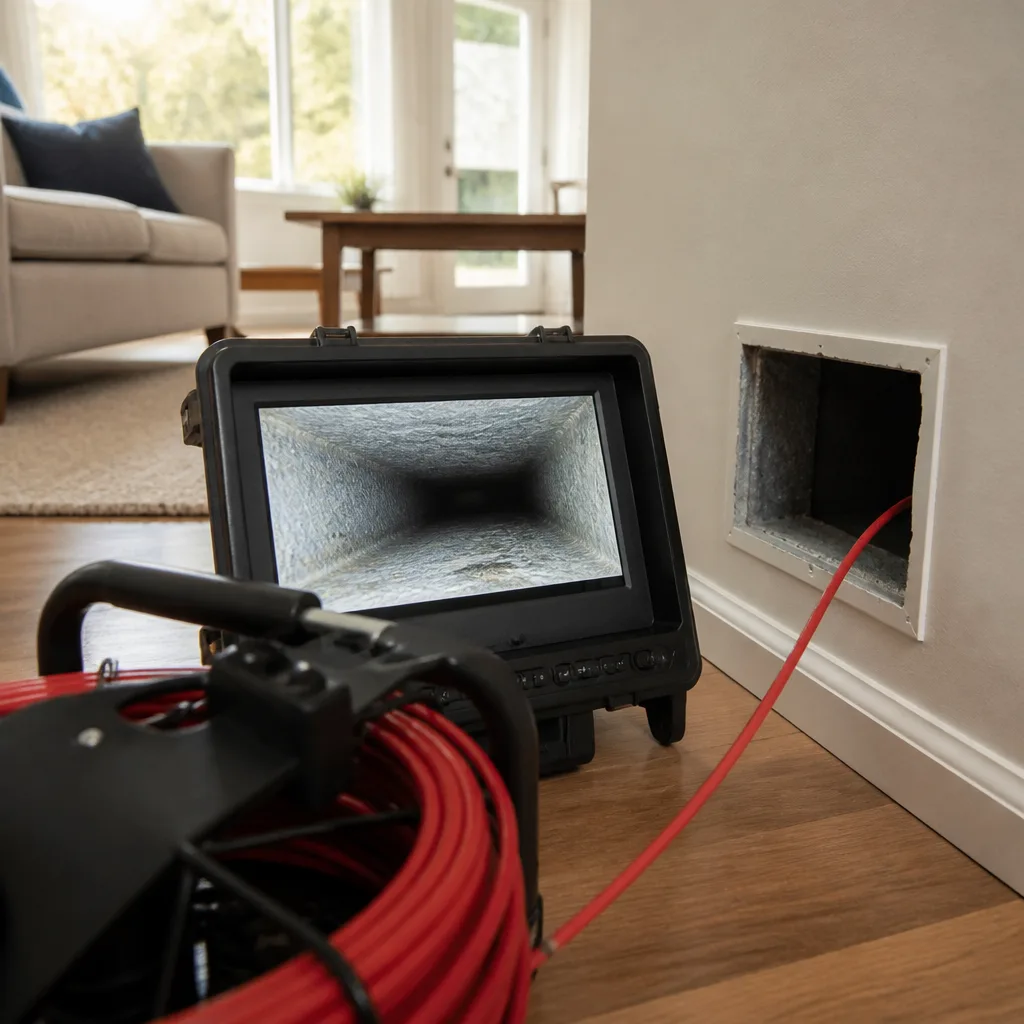 Camera inspection
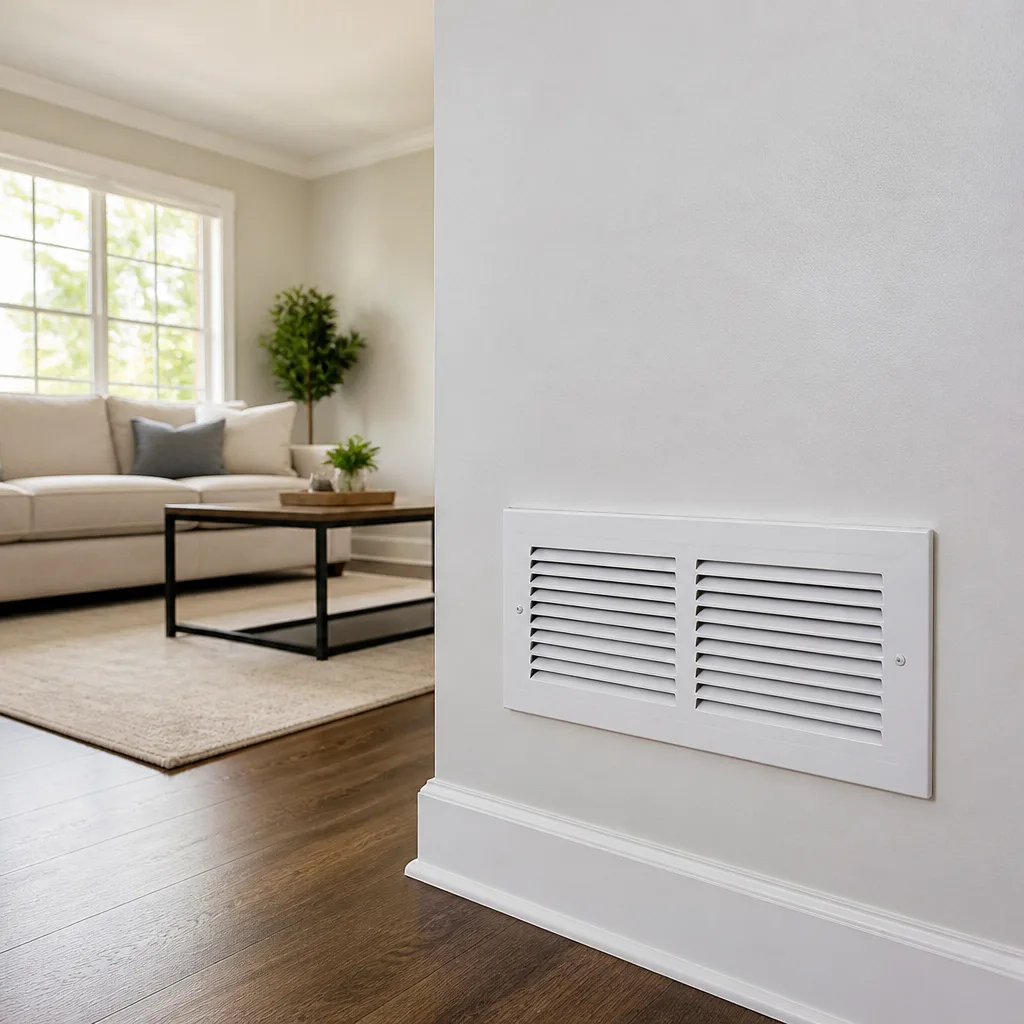 Sanitizing & deodorizing
Whole-system duct and dryer vent check with before-and-after photos - you see exactly what came out of your vents
That "$99 whole-house special" is a bait ad - the real number appears once they are in your hallway, or the "clean" is a shop-vac at the register. We photograph the inside of your ducts before and after instead.
Air Duct Cleaning Emergency Preparedness Guide for Cambridge Homes
Most homeowners think about their ductwork only after something goes wrong. That’s backwards, and it’s expensive. The moment a kitchen fire, a basement flood or a gut renovation hits your Cambridge home, the clock starts on a set of decisions you won’t have time to research. Every minute the heating and cooling system runs after smoke ignition pushes soot further into the supply and return trunks. Every hour a wet air handler sits before it’s dried gives mold a head start. This guide covers what to do before, during and after those events, how to document contamination so an adjuster approves the claim, and who to call first in Cambridge.
Quick Answer
If your Cambridge home has just had a fire, flood or major renovation, shut down the HVAC system immediately, document conditions with photos before anyone touches the ducts, and hire a duct cleaner using remediation-grade equipment (rotary brush systems plus HEPA vacuum and air-filtration units), not a shop vac. Standard cleaning won’t remove smoke residue or mold from compromised ductwork; a written scope from the cleaning contractor is what insurance adjusters need to approve the work. For the routine side of the job, air duct cleaning is a scheduled service, but the recovery side is a different protocol entirely.
Styles & brands we work with
- Whole-home duct cleaning
- Dryer vent cleaning
- Camera inspection
- Sanitizing & deodorizing
Table of Contents
- Post-Fire Protocol: What to Do in the First 24 Hours
- Post-Flood Protocol: Cambridge’s Basement Risk and the Mold Clock
- Post-Renovation Emergencies: When Drywall Dust Enters the System
- How to Document Duct Contamination for Your Insurance Claim
- Cambridge Emergency Resources: Who to Call, and in What Order
- How to Avoid Predatory Rapid-Response Crews
- Pre-Season Preparedness Checklist for Cambridge Homes
Post-Fire Protocol: What to Do in the First 24 Hours
Shut the HVAC system off at the thermostat and, if you can safely reach it, at the breaker. That’s the single most decisive action in the first hour. Smoke moves through the return air path in ways most homeowners don’t expect: even a small kitchen fire deposits residue into return grilles in every room the system serves, because returns pull air from the whole house toward the air handler. Once the blower stops, the deposition stops.
Smoke residue inside ducts doesn’t look like the soot on your walls. It’s an oily film that clings to galvanized metal and flexible duct lining, and it carries an odor that reactivates every time the system cycles back on. Standard vacuuming won’t touch it. Remediation-grade cleaning is required: rotary brush systems to agitate and break the film loose, HEPA-rated vacuum units to contain it, and air-filtration equipment to keep fine particles from redepositing into rooms while the work happens.
Here’s the first-24-hours sequence we recommend to Cambridge homeowners in this situation:
- Turn off the thermostat and, if safe, the HVAC breaker. If you aren’t sure the panel is dry and safe to touch, stop and wait for a licensed electrician.
- Call your insurance company before arranging any cleaning. Get the claim started and ask what documentation they require.
- Photograph every return and supply grille, plus the air handler closet, before anyone disturbs anything.
- Contact a restoration contractor for structural cleanup first if the fire involved charred framing, drywall or insulation. Duct cleaning follows structural work, not the other way around.
- Schedule duct cleaning with a contractor who uses remediation-grade equipment and can produce a written scope. Ask specifically whether they run a rotary brush system and a HEPA vacuum.
One point on timing: if a restoration contractor will be removing damaged building materials, duct cleaning typically happens after that demolition and before the rebuild. If cleaning runs first, the second round of dust simply recontaminates the system. Coordinate the two trades so duct cleaning lands in the right window.
Post-Flood Protocol: Cambridge’s Basement Risk and the Mold Clock
Floodwater reaching an air handler or duct system starts a 48-to-72-hour mold clock. Cambridge homeowners know the pattern: heavy rain combined with a combined-sewer overflow pushes water into basements, and snowmelt in late winter and early spring does the same. When water reaches the mechanical room where the air handler sits, the problem isn’t the visible puddle. It’s the insulated interior of the ductwork and the plenum above the unit, which stay damp long after the floor is squeegeed dry.
Mold growth requires moisture, and wet duct lining provides it. Once mold establishes inside fiberglass interior insulation, cleaning can’t always restore it. In many cases the contaminated sections must be removed and replaced, which is why we treat air duct repair as a natural extension of cleaning: when we find compromised ductwork during a post-flood job, we can address it rather than leaving behind a system that will fail again next season.
What to do after water intrusion reaches the mechanical area:
- Kill power to the air handler at the breaker. Do not run the system to “dry out” the ducts; that circulates spores through the house.
- Get standing water out of the basement, and get mechanical dehumidification running in the space around the unit.
- Photograph the water line on the air handler, the ductwork connections and any visible staining on insulation.
- Have a duct contractor inspect and, if needed, perform remediation-grade cleaning using HEPA-rated vacuum equipment and, where airborne contamination is present, an Abatement Technologies air-filtration unit.
- If the duct lining shows mold penetration, plan for air duct repair or section replacement before the system goes back into service.
In our experience, the Cambridge basements that come through flooding cleanly are the ones where the homeowner shut the system down before the air handler drew in damp air. That single step changes the scope of the job.
Post-Renovation Emergencies: When Drywall Dust Enters the System
Contractors who don’t seal return registers before demo work send a plume of drywall and plaster dust straight into the duct system. It’s a common oversight left over from renovation scheduling: the HVAC becomes the de facto dust removal system, and the homeowner doesn’t realize it until the floors are clean and the air still tastes chalky. In gut renovations of older Cambridge homes, where plaster over lath can produce fine airborne dust for days, the duct system can absorb more material than the rest of the house combined.
Timing matters more here than in fire or flood recovery. Duct cleaning should happen after finishing work is complete, not during the renovation. Running a cleaning at the midpoint guarantees a second contamination when the drywall sanding starts again. The right sequence:
- Before demo begins, ask your contractor to tape off every return and supply register with plastic and painter’s tape.
- During the job, keep the HVAC system off unless the contractor restores and re-secures the register covers. If it must run, verify the covers are in place first.
- After sanding and painting are complete, remove the covers and schedule duct cleaning.
- Ask the cleaning contractor to inspect for compromised ductwork, particularly flexible connections that may have been damaged during demo.
The residential duct systems we see in Cambridge include a lot of older galvanized trunk lines alongside newer flex runs, and the transitions between them are where dust accumulates fastest. A proper cleaning job on a post-renovation system should agitate those transitions with a rotary brush system and pull the loosened material into a HEPA vacuum, not just sweep the accessible runs.
If you’re scheduling routine service rather than a recovery job, the same equipment standard applies. That’s why our duct cleaning Cambridge work runs on professional-grade equipment – the same rotary brush and HEPA vacuum systems you’d want on a remediation job.
How to Document Duct Contamination for Your Insurance Claim
Insurance adjusters process hundreds of claims, and they approve duct remediation only when the documentation makes the case for coverage in their language. Photos alone rarely do it. What works is a package: dated photos, a written scope from the cleaning contractor, and a clear link between the contaminating event and the duct condition.
Here’s what to compile:
- Before photos: Every return and supply register, the air handler closet, and any visible staining or residue. Date and time-stamp them.
- Contamination photos: Any soot film, moisture staining or mold on duct lining the contractor can reach with an inspection camera.
- The event record: Fire department report, water-damage photos, or contractor invoices showing the renovation scope.
- Written scope from the cleaner: A document listing exactly what will be cleaned, the equipment used, and any air duct repair necessary. Insurance adjusters want to see that the scope matches the damage, not a vague “whole house cleaning.”
- Containment method: Note whether the job uses HEPA-rated vacuum equipment and air-filtration units. Adjusters treat containment as evidence of a professional remediation protocol.
- Odor or health complaint record: A dated note of when the smell or symptoms started, and when the HVAC system was last serviced, helps establish causation.
One practical point: get the written scope before the cleaning happens. Adjusters want to approve the work based on the scope, not reimburse after the fact on a paid invoice with no prior documentation. If the claim gets denied on the first pass, the written scope is what you appeal with.
Cambridge Emergency Resources: Who to Call, and in What Order
Order of operations is the thing most homeowners get wrong. Calling the wrong trade first wastes the window when action would have mattered.
- Fire or active water emergency: Call 911 or your utility. Nothing else matters until the hazard is contained.
- Insurance company: Open the claim as soon as the immediate hazard is contained. This holds your coverage window and prompts their documentation requirements.
- Restoration contractor (if structural damage): For fire damage involving framing or walls, or flood damage involving building materials, the restoration contractor comes before the duct cleaner. Structural work disturbs the ducts, so duct cleaning follows.
- HVAC technician (if the system itself is damaged): If the fire or water reached the air handler, the HVAC tech assesses whether the system can be safely returned to service. The duct cleaner can’t run equipment through a system that won’t run.
- Duct cleaning contractor: Once structural work is done, schedule remediation-grade cleaning. Ask for the written scope and photo documentation in the same conversation.
For routine dryer vent cleaning and air duct cleaning across Cambridge neighborhoods, one point of contact for all three services (cleaning, repair, dryer vent) saves a coordination step that would otherwise take a week. Dryer vent cleaning in particular deserves its own attention: lint buildup in the vent line is a documented residential fire risk, and it’s the kind of emergency you can prevent rather than recover from. That work is covered under dryer vent cleaning.
If you’re not sure whether your situation calls for a recovery protocol or a standard cleaning, call (888) 393-0038. We answer 24/7. Fast dispatch from 7am to 7pm, Sunday through Friday.
How to Avoid Predatory Rapid-Response Crews
The worst time to vet a contractor is the hour after a fire or flood. Predatory rapid-response crews know that, and they show up unsolicited while the adrenaline is still running. They’ll show up at the door with a clipboard, offer to “get started right away,” and ask for a signature on a document that commits you to an inflated price and, sometimes, an assignment of insurance benefits that puts the contractor in control of your claim.
Here’s what separates a legitimate contractor from a predatory one:
- Solicitation: A legitimate contractor doesn’t knock on doors after a fire or flood in your neighborhood. You call them.
- Written scope: A legitimate contractor provides a written scope with the cleanup procedures, equipment and price before you sign anything.
- Insurance coordination: We can work with your insurer, but a legitimate contractor doesn’t demand you sign over your claim rights.
- Equipment questions: Ask what equipment they use. Predatory crews use shop vacuums and call it “professional cleaning.” Legitimate duct cleaning runs a rotary brush system, a HEPA vacuum and, where needed, air-filtration units.
- References: A legitimate contractor can answer questions about their process in technical detail. A predatory one changes the subject to price.
The quick test: a legitimate contractor will let you make the call tomorrow if you need to think about it. A predatory one won’t.
Pre-Season Preparedness Checklist for Cambridge Homes
Preparedness means having the pieces in place before the event. Here’s what Cambridge homeowners can do in advance:
- Locate your HVAC breaker and label it inside the panel. In an emergency you won’t want to trace circuits.
- Photograph every return and supply register, plus the air handler closet, now while conditions are clean. Those photos become your “before” baseline for an insurance claim.
- Check your homeowner’s policy for how it handles duct remediation and whether it distinguishes between cleaning and repair.
- Have the number of a restoration contractor and a duct cleaning contractor saved before you need them.
- Ask your HVAC contractor at the next service visit whether the registers are sealed, since aging gaskets fail silently.
- Schedule dryer vent cleaning on a regular basis, especially if laundry cycles feel like they’re taking longer than they did last year. Lint buildup is the most common preventable fire risk in the laundry room.
- If you’ve recently replaced air quality hardware, keep the paperwork. Our team works with Honeywell and Aprilaire systems, and knowing the model number helps when a post-event inspection happens.
Cambridge homes have a specific risk profile: older housing stock with mixed-age ductwork, basements prone to sewer-overflow flooding, and renovations on nearly every block. The combination means post-event duct contamination is more common here than a homeowner might guess. Our technicians have up to 11 years of experience working on all three service lines – Cambridge ducts, dryer vents and repair work – so the coordination between them doesn’t need a phone call to three vendors.
Common Mistakes to Avoid
- Running the HVAC “to clear the air” after a fire: This drives soot deeper into the duct system and every room it serves. Shut it down at the thermostat and breaker.
- Letting a shop vac substitute for remediation equipment: A shop vac has no HEPA-rated filtration and just redistributes fine particles through the room while picking up the visible debris.
- Cleaning ducts in the middle of a renovation: Cleaning before the finishing work is done guarantees a second contamination. Wait until sanding and painting are complete.
- Calling a duct cleaner before the restoration contractor: Structural demolition recontaminates the ducts. Sequence the duct cleaning after structural work, or you’ll pay twice.
- Signing an assignment-of-benefits document without reading it: That signature transfers control of your insurance claim to the contractor, which is the moment predatory crews convert a fair claim into an inflated one.
- Skipping the “before” photos: Adjusters need a baseline. A photo of a register before contamination is the single most useful document for an insurance claim, and it takes thirty seconds to take.
- Treating mold in duct lining as a cleaning problem: If the fiberglass lining has mold penetration, the affected sections need to come out. Cleaning alone leaves spores behind.
See the difference
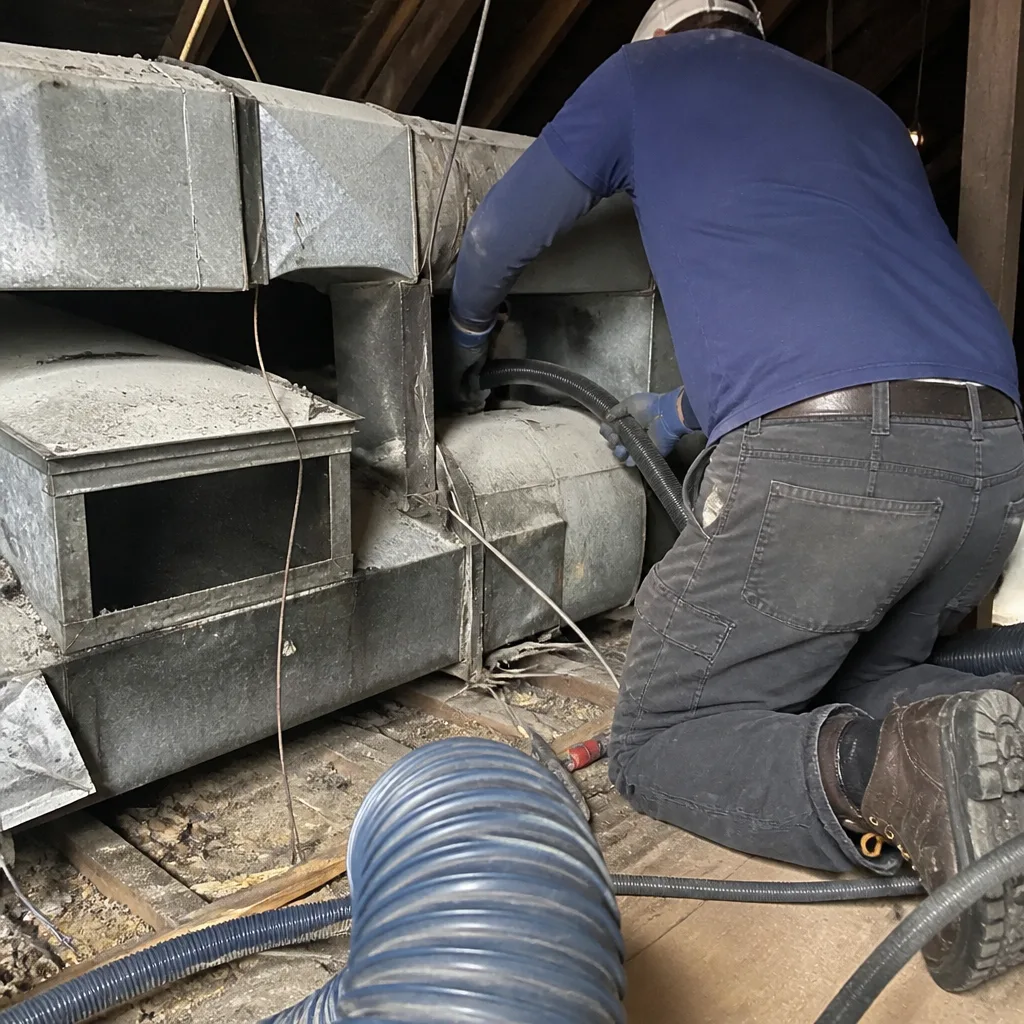 Before
 After
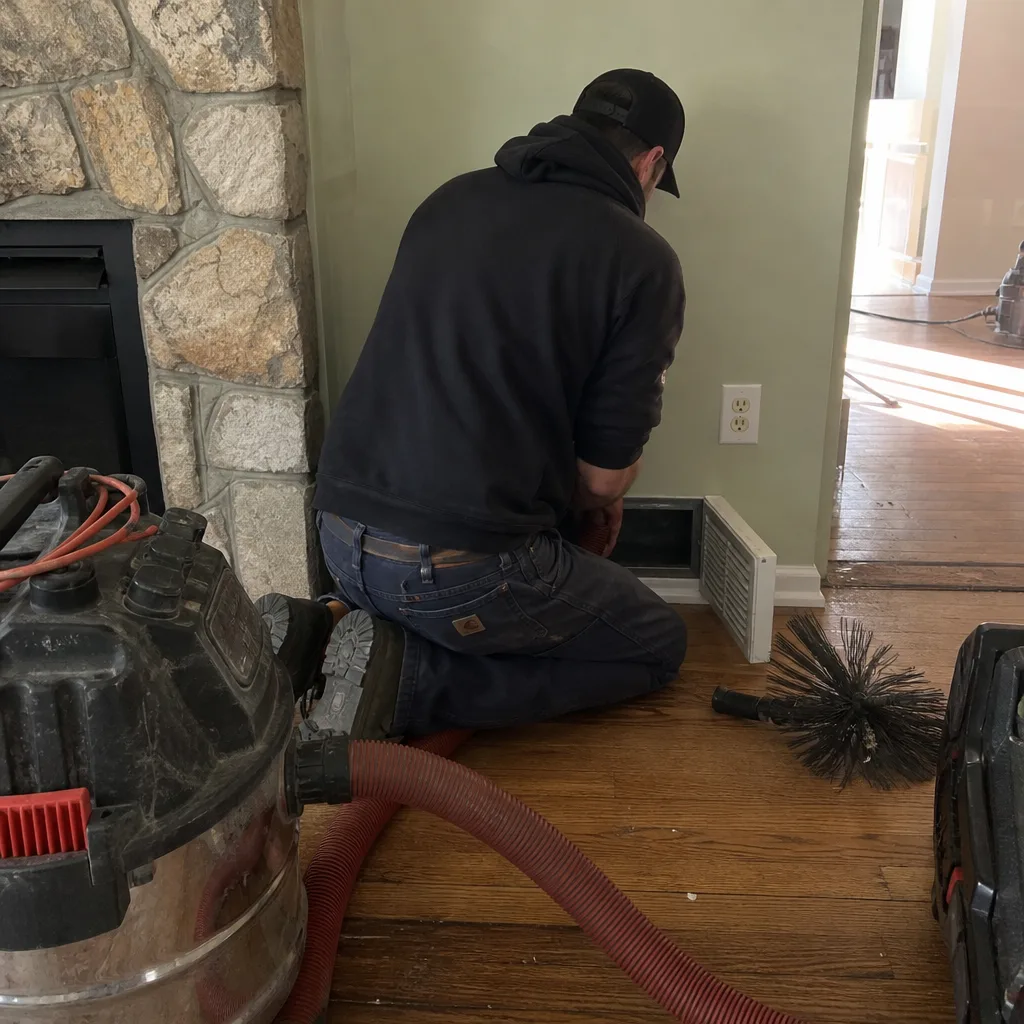 Before
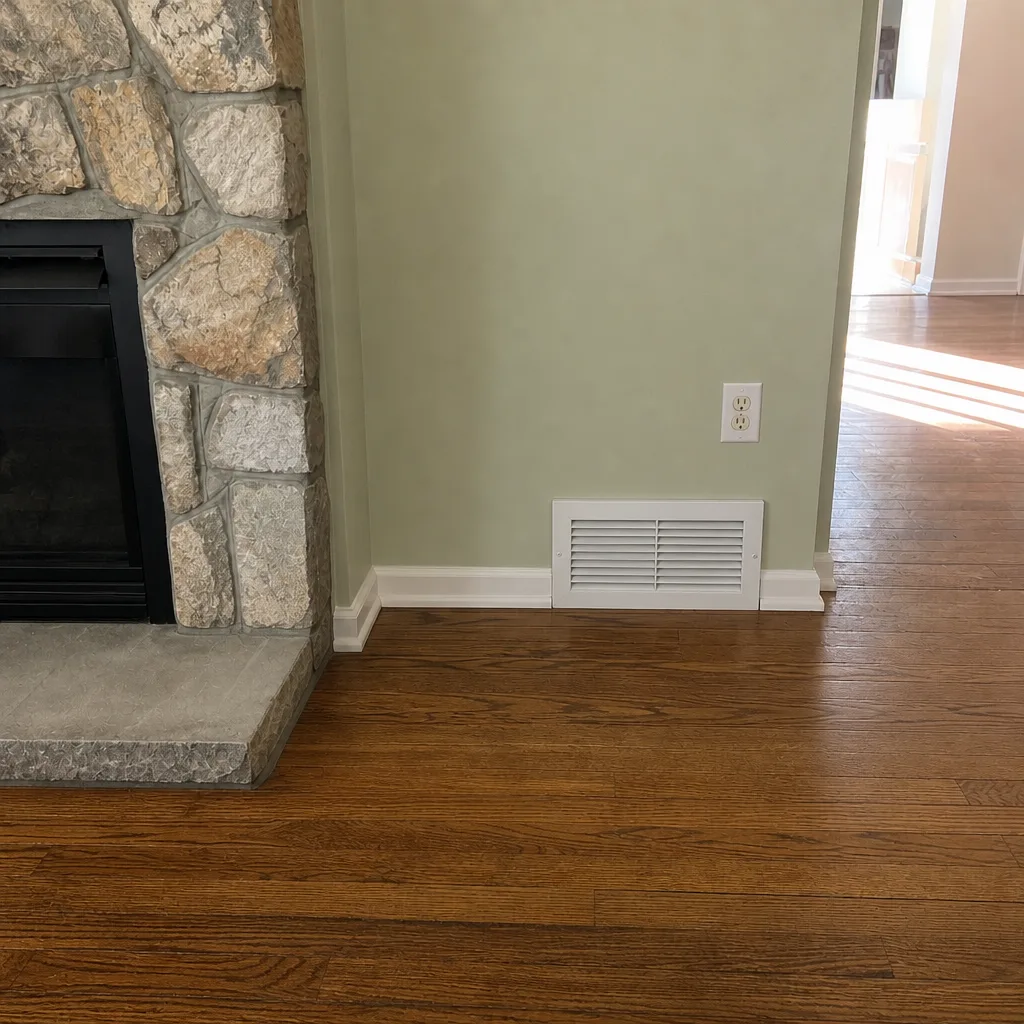 After
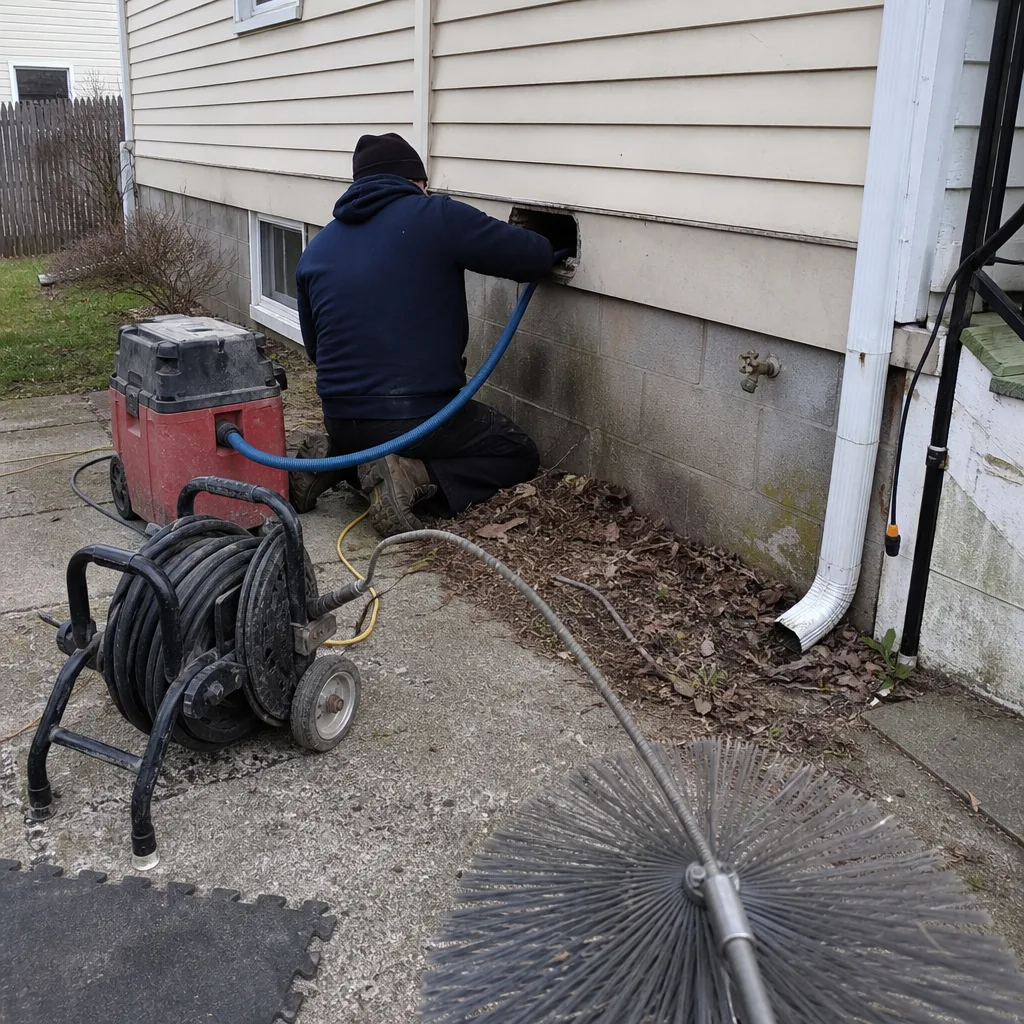 Before
 After
When to Call a Professional
Call a professional duct cleaning contractor the moment any of these apply: a fire of any size produced smoke that entered the HVAC system; floodwater reached the air handler or the ductwork connection; a renovation sent visible dust through the registers; you notice a persistent musty or smoky odor that returns every time the system cycles on; or your HVAC technician has flagged visible buildup during routine service. These are recovery situations with a clear window for action – not DIY jobs. For routine scheduling and preventive work in Cambridge, Duct Cleaning Cambridge offers free estimates in Cambridge – call (888) 393-0038. We answer 24/7. Fast dispatch from 7am to 7pm, Sunday through Friday.
Frequently Asked Questions
Clean them as soon as the structural work is complete and the HVAC system can be safely inspected – typically within a few days to a week. The key is sequence: shut the system down immediately after the fire, do the structural restoration first, then clean the ducts. If you clean before the structural work, the demolition recontaminates the system.
Yes, when the job is done with remediation-grade equipment that removes the residue, not just masks it. Smoke odor inside ducts comes from an oily film on metal and flex lining, so a rotary brush system plus a HEPA vacuum is what removes the source. A shop vac substitutes at the visible surface but doesn’t fully clean the interior; the odor returns when the system cycles back on.
Mold can establish inside wet duct lining within 48 to 72 hours of water reaching the air handler or ductwork. That’s why the priority is shutting the system off, getting standing water out and running mechanical dehumidification in the mechanical area. If the lining remains wet for days, cleaning can’t always fix the problem and section replacement may be needed.
Most homeowner policies cover duct remediation when it’s connected to a covered event like fire or sudden water damage, but adjusters need documentation. That means dated photos of the registers and air handler, a written scope from the cleaning contractor, and a record of the event. Get the written scope before the work starts, not after. If the claim denies, the written scope is what you appeal with.
The cheap quotes usually reflect shop-vac-grade equipment, no HEPA containment, and no written scope. On a remediation job, that’s not a saving – it’s a partial job that leaves residue and spores behind and won’t satisfy an adjuster. Ask what equipment the contractor runs. Rotary brush systems, HEPA-rated vacuums and air-filtration units are what professional remediation work uses.
You can, but the dust doesn’t stay in the ducts. Plaster and drywall dust accumulates at the transitions and in the return trunks, and the system redistributes it through the house every time it runs. The correct sequence is to wait until sanding and painting are complete, then schedule cleaning. Cleaning mid-renovation just means cleaning twice.
Ask for before-and-after photos of your own ducts. A contractor who runs a proper inspection camera can show you what the interior looked like before and after. If the contractor can’t produce photos of your system specifically, you don’t know what was cleaned.
It’s worth doing. Dryer vents have their own accumulation problem (lint) and their own risk profile (fire) – they’re not the same ducts. Scheduling both together saves a coordination step. If your dryer is taking twice as long to dry a load, the vent needs attention now.
The Bottom Line
Emergency preparedness for ductwork comes down to sequence. Shut the HVAC system down the moment a fire, flood or major renovation hits. Document the condition before anyone touches the system. Then work in order: insurance claim first, structural restoration next, duct cleaning last, with a written scope in hand before any work begins. None of this requires knowing duct cleaning from the inside out. It requires knowing who calls whom, in what order, and what equipment a legitimate contractor brings through the door. Cambridge homes with older ductwork, basement flooding risk and constant renovation are exactly the homes that benefit most from having these decisions made in advance. If you need a free estimate on a recovery job or a routine cleaning, call (888) 393-0038. We answer 24/7. Fast dispatch from 7am to 7pm, Sunday through Friday.
Written by the team at Duct Cleaning Cambridge.