
Last updated November 15, 2026
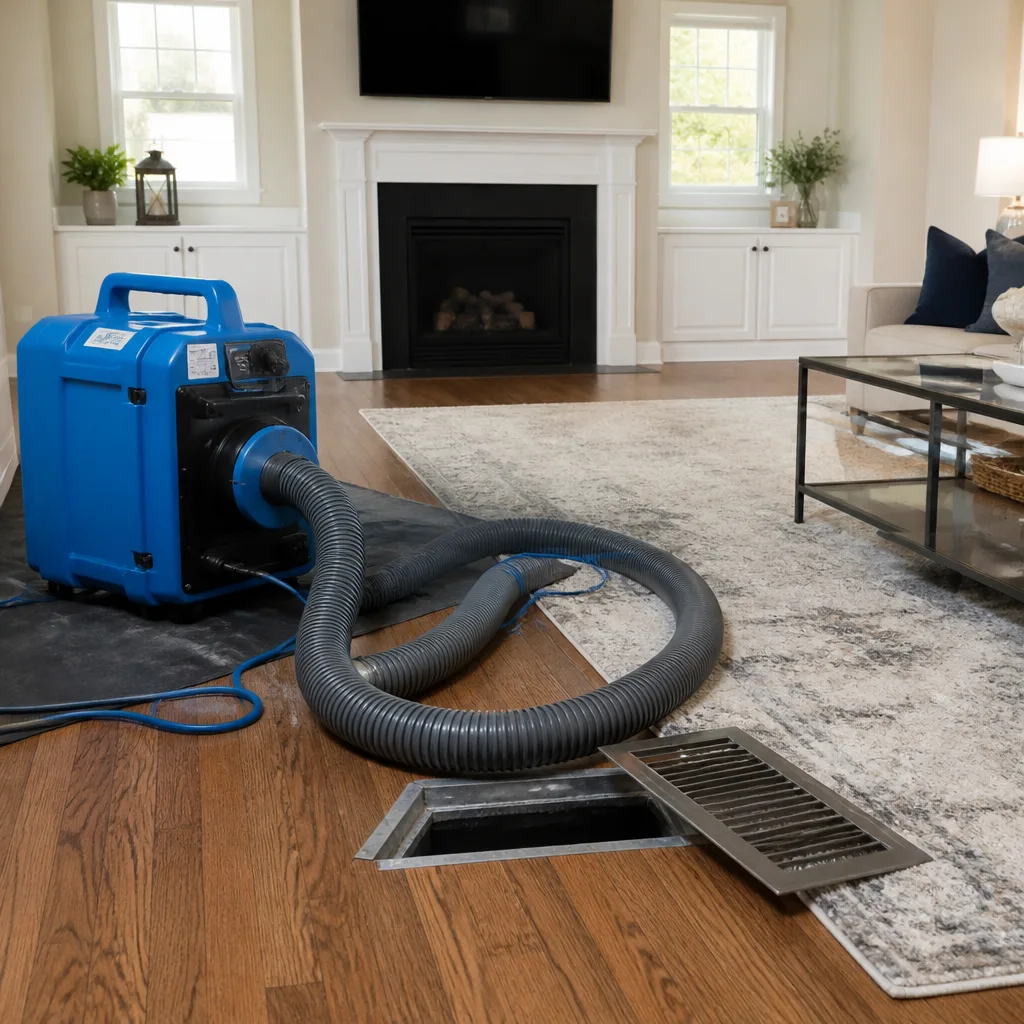 Whole-home duct cleaning
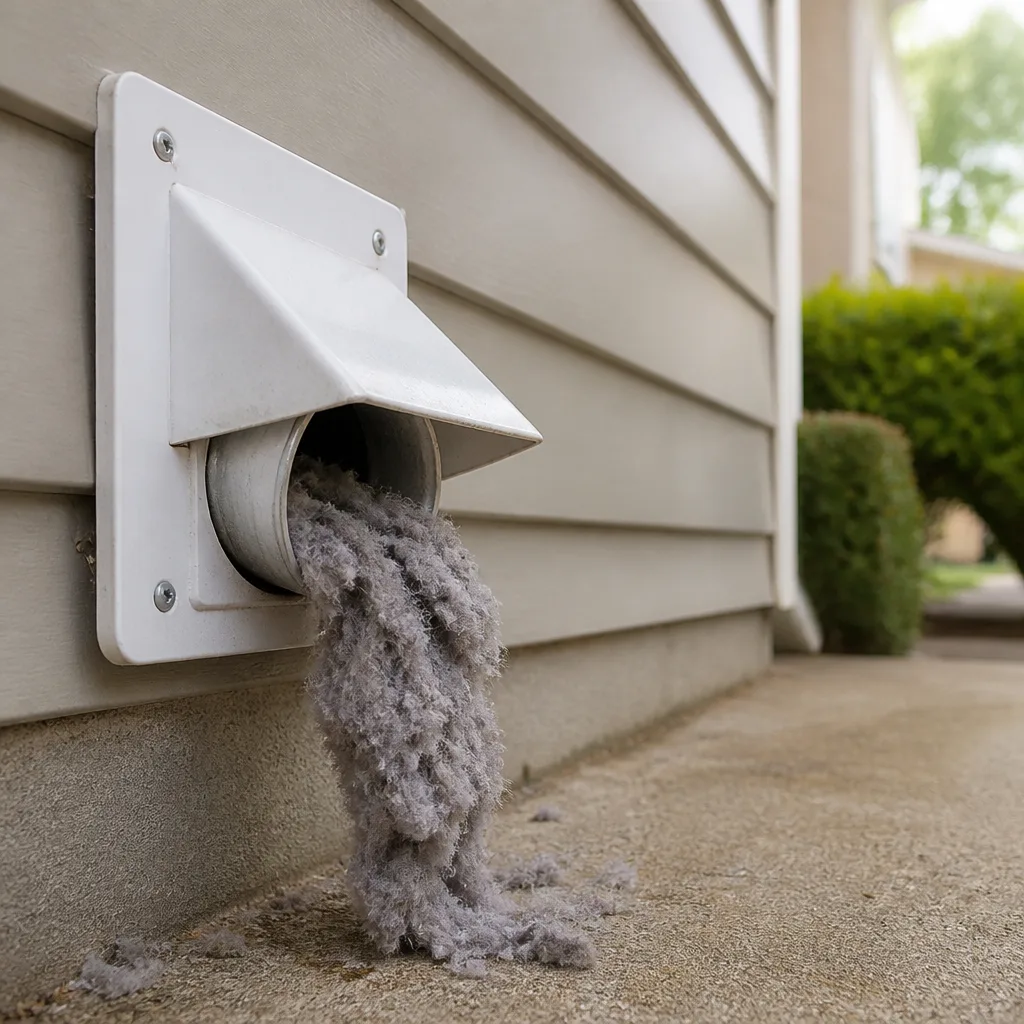 Dryer vent cleaning
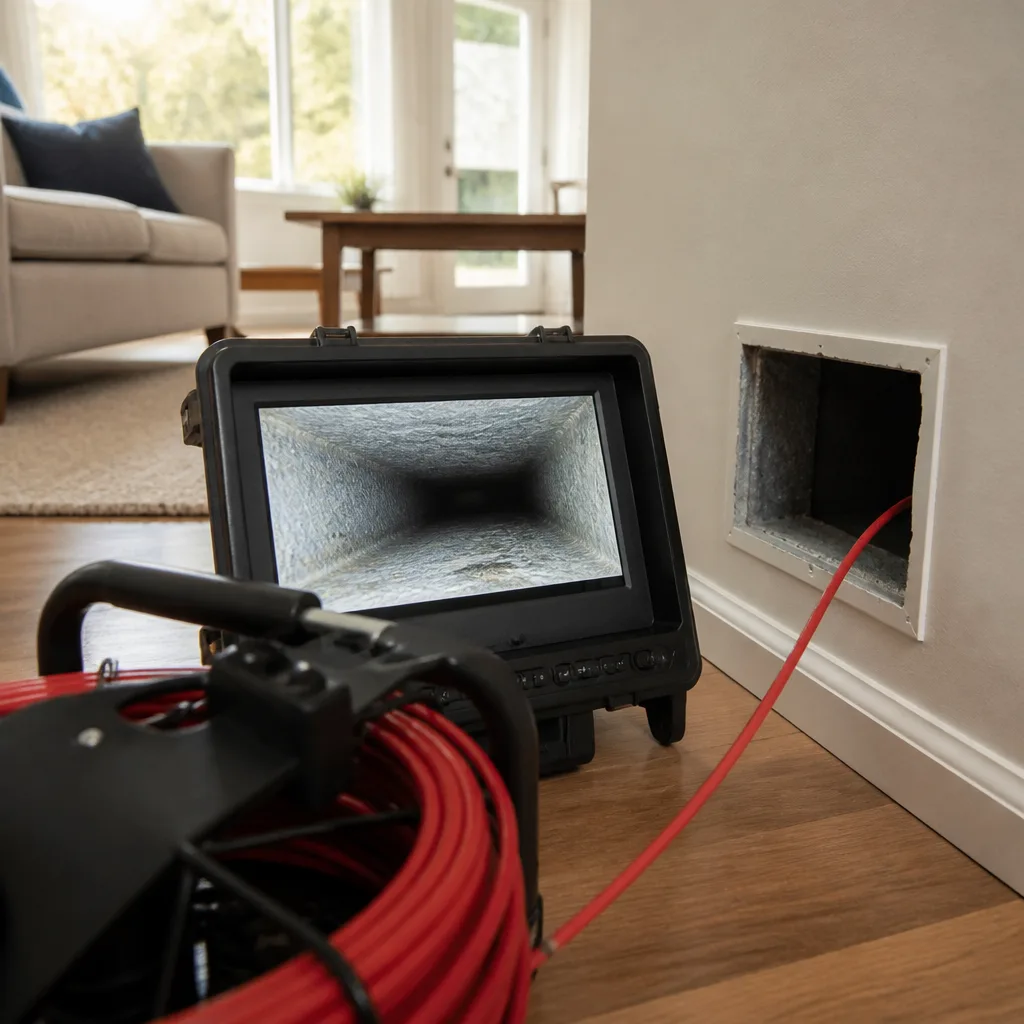 Camera inspection
 Sanitizing & deodorizing
Whole-system duct and dryer vent check with before-and-after photos - you see exactly what came out of your vents
That "$99 whole-house special" is a bait ad - the real number appears once they are in your hallway, or the "clean" is a shop-vac at the register. We photograph the inside of your ducts before and after instead.
Air Duct Cleaning Troubleshooting in Cambridge: Common Problems and How to Fix Them
If your allergies didn’t improve after a duct cleaning, the technician probably never touched the flex duct runs. Those accordion-style connectors are where debris compacts, and no spinning brush reaches them without deliberate access. It’s the most common reason a cleaning “doesn’t work,” and it has nothing to do with the quality of the vacuum. In this guide, we’ll walk through the real, diagnosable causes behind the problems Cambridge homeowners call us about – persistent dust, stuffy rooms, a system that seems dirtier after cleaning – and how to tell which one you’re actually dealing with.
Quick Answer
Most duct cleaning problems in Cambridge trace back to one of four causes: branch runs that were never accessed, a filter bypass or return leak letting dust in around the filter rather than through it, negative pressure imbalance from a restricted return, or a contractor who cleaned only the main trunk line and skipped the flex connectors. Each has a specific visual or airflow check you can do yourself before calling anyone back out.
Styles & brands we work with
- Whole-home duct cleaning
- Dryer vent cleaning
- Camera inspection
- Sanitizing & deodorizing
Table of Contents
- Is Your Dust Coming From the Ducts, or Somewhere Else?
- How to Tell If Branch Runs Were Actually Cleaned
- Why Flex Duct Connections Get Skipped
- What Negative Pressure Imbalance Feels Like
- Filter Bypass and Return Air Leaks
- When You Need Repair, Not Another Cleaning
- What Equipment Makes the Difference
- Common Mistakes to Avoid
Is Your Dust Coming From the Ducts, or Somewhere Else?
Not all indoor dust is duct dust. This is the first thing to sort out, because homeowners often pay for a second cleaning when the problem was never in the ducts. Before you assume the system is dirty, run a simple check: clean a flat surface in a room, leave the HVAC fan running for a few hours in a Cambridge home with the windows closed, and look at where dust lands. If the dust concentrates directly below or around a supply register, it’s probably coming from that duct. If it coats every surface evenly, the source is more likely the filter, the return, or ordinary living in a dense urban neighborhood where windows open onto Cambridge’s busier streets.
Dust near registers points to airflow problems in the branch serving that room. Even dusting, all over, usually points to filtration. And dust concentrated near doors or windows – especially in older triple-deckers where frames have shifted – is air infiltration, not a duct issue at all. Knowing which of these you’re seeing saves you from paying for work you don’t need.
A quick three-part check helps narrow it down:
- Clean a surface, run the fan, and see where dust settles first.
- Pull the filter and look at the frame around it. A visible gap means unfiltered air is bypassing.
- Hold a tissue near a return grille. If it flutters weakly, airflow is restricted upstream.
If the dust tracks back to a specific register, that’s your culprit. Read on for the branch-run check.
How to Tell If Branch Runs Were Actually Cleaned
This is the single most common incomplete job in the industry, and it’s not always dishonesty. Cleaning the main trunk is fast and visible. Cleaning every branch run – the smaller ducts that feed each room – takes time, access, and the right brush heads. A budget crew with a shop-vac and a single hose often cleans the trunk and calls it done, leaving debris sitting in the branches that feed the very rooms you’re worried about.
You can verify what you got without pulling apart your system. Here’s how:
- Ask to see before-and-after photos of each register. A contractor who actually cleaned the branches has no trouble showing you individual runs, not one wide shot of the air handler.
- Check the register boots. Pop the grille off one supply in an upstairs bedroom or a lower-traffic room. Shine a light into the boot (the metal elbow where the duct meets the floor). If you see a mat of dust still clinging to the walls, that run was bypassed.
- Watch the brush path. If you were present during service, a rotary brush should have traveled up or down each branch – you’d have seen the hose move from register to register, not sit parked at the furnace.
- Count the registers. The number of return and supply registers should roughly match the number of places the hose was worked into the system.
In Cambridge, older homes near Porter Square and Inman Square often have added-on rooms where later ductwork was squeezed into existing walls. These late additions have short, awkward branch runs that are easy to skip and exactly the ones that collect the most debris. If a room feels dustier than the rest of the house, its branch is the prime suspect.
Why Flex Duct Connections Get Skipped
Flex duct – the silver, ribbed, accordion-style duct used in a lot of retrofits and additions – is the most-skipped section in any cleaning, and it’s not hard to see why. Standard rotary brush systems are built for rigid rectangular and round duct. The corrugations in flex grab and compact dust in a way rigid metal doesn’t, and a brush that works beautifully in a straight run of sheet metal can bind, snag, or simply fail to reach the deep folds. A technician has to deliberately switch tools and spend real time there. Budget cleanings don’t.
The result is predictable: the trunk gets spotless, the flex runs stay loaded, and the homeowner reports that “the cleaning made no difference” – or worse, that the air seems dustier afterward, because loose debris was disturbed without being removed.
To confirm flex was actually accessed:
- Locate a flex run if you have one (check attic, basement, or crawlspace connections).
- Look for evidence it was opened – a section of flex is sometimes disconnected and re-taped at the collar to allow a brush in.
- Ask directly whether flex runs were cleaned with contact, not just “air washed.”
Air washing – blasting compressed air through a duct – knocks debris loose but does nothing to remove compacted dust from the folds. Professional-grade rotary equipment with the right head, plus a HEPA-rated vacuum capturing what’s dislodged, is the difference between actual cleaning and redistribution. When we clean a system, the flex runs get the same deliberate attention as the trunk and branches.
What Negative Pressure Imbalance Feels Like
A house that feels stuffier after a cleaning is usually telling you about pressure, not dirt. Negative pressure happens when the system pulls more air from return ducts than it can replace through supply ducts – often because a return is undersized or blocked – and the house starts pulling makeup air from wherever it can find it, including gaps around doors, windows, and even wall cavities. That air comes in unfiltered. So your ducts can be spotless while the air quality gets worse.
The telltale signs:
- Doors swing or resist closing when the fan runs.
- You feel a draft at exterior doors or window seams when the system is on.
- Upper-floor rooms feel stuffy while the basement or first floor feels fine.
- New dust appears quickly after cleaning, especially near exterior walls.
In Cambridge, tight multi-story homes are especially prone to this. Renovations that seal up a house well – good for energy, rough on airflow – make return sizing matter more. If the return is undersized, the fix isn’t another cleaning; it’s likely air duct repair or adjustment, and a technician needs to see the whole system to diagnose it. Clogged flex runs can compound the problem by choking return-side flow, so the diagnosis often starts with a full-system inspection, then a decision on re-clean versus repair.
Filter Bypass and Return Air Leaks
Filter bypass is exactly what it sounds like: air going around the filter instead of through it, because the filter doesn’t seal in its frame. You change your filter every three months, you still get dust, and you can’t understand it. The filter was never doing much.
A return air leak is the close cousin. The return duct pulls air from your home, but if it has a gap – at a joint, at a disconnected flex collar, or an unsealed boot – it may also be pulling unfiltered air from a crawlspace, attic, or wall cavity and delivering it straight into your supply. That air is typically much dirtier than the air in your rooms.
Check for the seal first. Pull the filter, look at its perimeter, and see whether the frame grips the filter evenly on all four sides. A gap of even a quarter inch is enough to matter. Then check return duct connections you can reach: run the fan and feel for air at joints and seams. A leak will show up as steady air movement where there shouldn’t be any. This kind of compromised duct is exactly the sort of thing a full-system inspection catches, and it can be repaired during the same visit as a cleaning. Cleaner air starts with clean ducts – and ducts that actually seal.
When You Need Repair, Not Another Cleaning
Not every problem is a cleaning problem, and repeated re-cleans are often the most expensive way to find that out. The decision between a better cleaning and a repair usually comes down to what inspection finds. Cleaning solves accumulated debris. Repair solves the compromised ductwork that keeps finding new sources of debris to pull in.
Schedule repair rather than a re-clean when:
- You have visible gaps, disconnected flex, or crushed duct.
- Rooms served by a branch are consistently underperforming no matter how often they’re cleaned.
- Negative pressure symptoms persist after cleaning.
- A technician identifies a return leak or filter bypass that a cleaning can’t fix.
Re-clean with better brush contact when the issue is clearly debris in flex runs and branches that a first pass skipped. That’s a quality-of-work problem, and it’s fixable with the right equipment. If you’re in a Cambridge triple-decker or an older single-family with retrofitted ducts, having one company that cleans and repairs means you’re not coordinating two contractors to solve one problem. That’s what we do: we clean it, and if it’s broken, we fix it.
For routine cleaning on Cambridge systems, we handle it through our air duct cleaning service, and repairs are handled as a natural extension of what inspection finds.
What Equipment Makes the Difference
Equipment is where troubleshooting becomes moot. A cleaning done with professional-grade equipment has far less to troubleshoot afterward, because the run gets cleaned to contact and the captured debris is contained, not blown into the home. A cleaning done with a consumer vacuum and a long hose leaves debris behind and often spreads it around.
Three pieces of equipment matter most:
- Rotobrush rotary brush systems for getting real contact cleaning inside duct runs, including the awkward flex sections.
- Nikro HEPA-rated vacuums for capturing what’s dislodged with high-efficiency filtration, so the debris doesn’t re-enter your indoor air.
- Abatement Technologies air-filtration equipment on jobs that need certified filtration and containment, the same class of tooling used in remediation and restoration work.
On the air quality side, we work with trusted hardware from Honeywell and Aprilaire, which lets a cleaning do its job and then lets your filtration keep up the work long after. In Cambridge, where mature trees, older housing stock, and street exposure all add to the indoor dust load, long-term filtration matters more than it does in newer, well-sealed suburban construction.
If your issue also involves your dryer vent cleaning, that’s a separate and safety-relevant inspection point, covered below.
Common Mistakes to Avoid
- Hiring on price alone and assuming a chain of equipment. A cheap quote can mean a budget vacuum and a hose that can’t reach flex runs. Ask what equipment is used before you book.
- Not asking for per-run before-and-after photos. One photo of the furnace tells you nothing. Individual runs do.
- Re-cleaning without diagnosing first. If your problem is filter bypass or a return leak, a second cleaning won’t fix it, and you’ll keep paying for the wrong service.
- Skipping the dryer vent. A clogged dryer vent is a documented fire risk – a leading cause of residential dryer fires – and it’s not caught by a duct cleaning unless you ask.
- Assuming a stuffy house means dirty ducts. Negative pressure imbalance feels like dirty air and is a different problem.
- Sealing up a Cambridge house without thinking about return airflow. Tightening a home during renovation without checking return sizing can create imbalance.
- Cleaning only the trunk and calling it done. The branches and flex connectors are where most of the dust actually lives.
See the difference
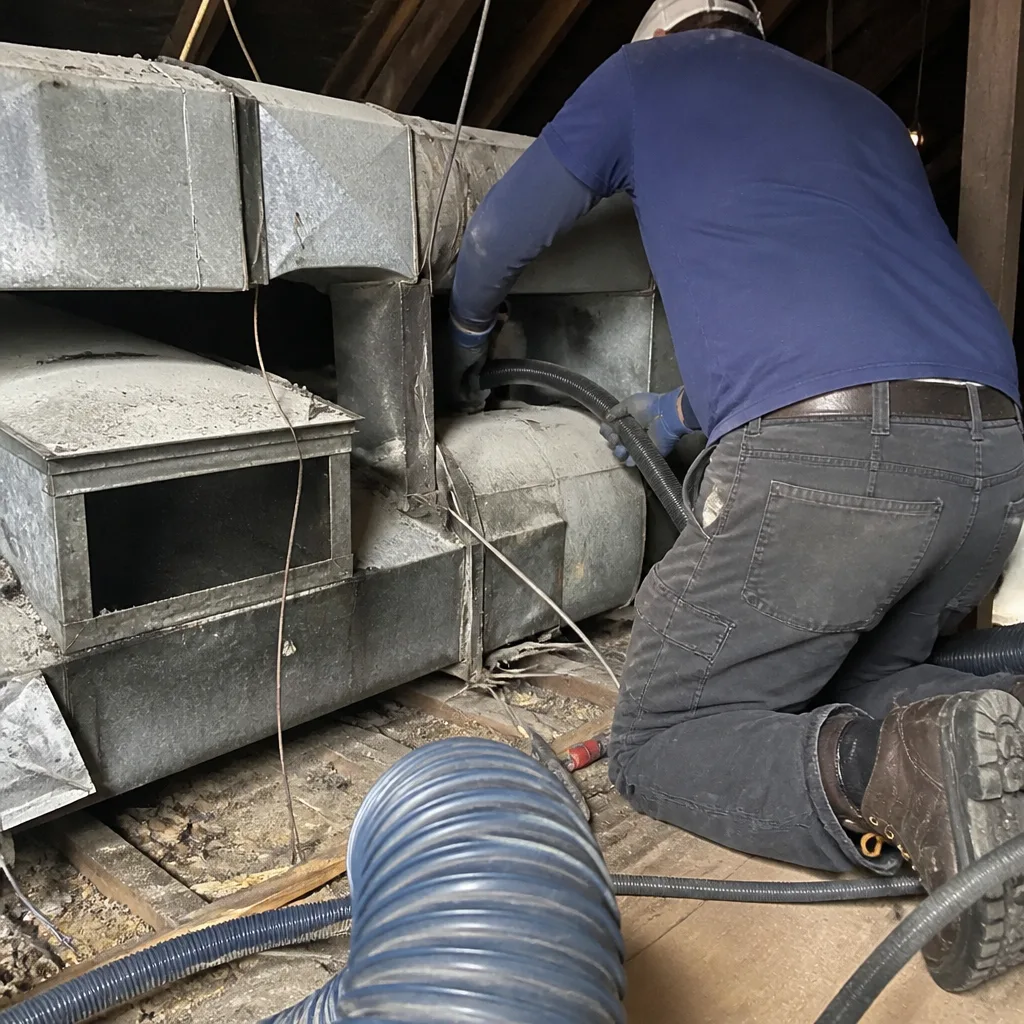 Before
 After
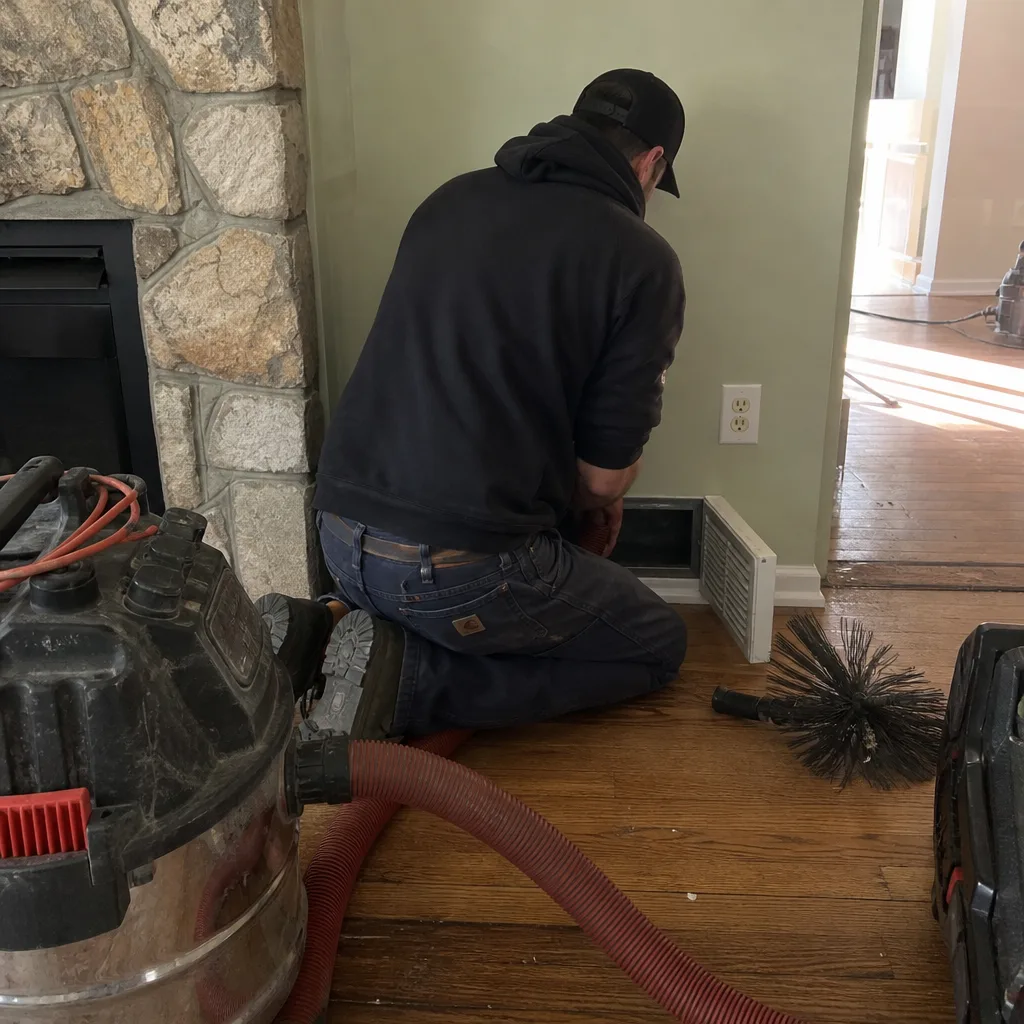 Before
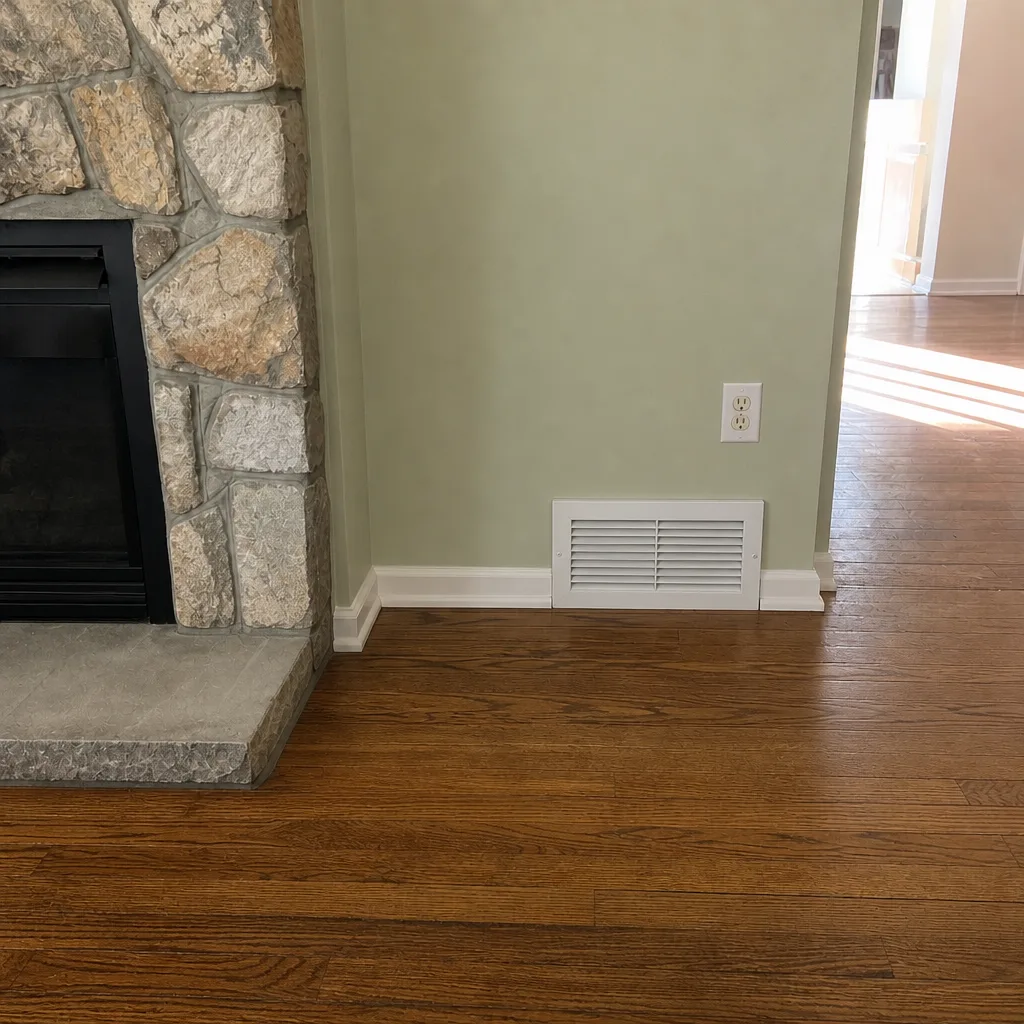 After
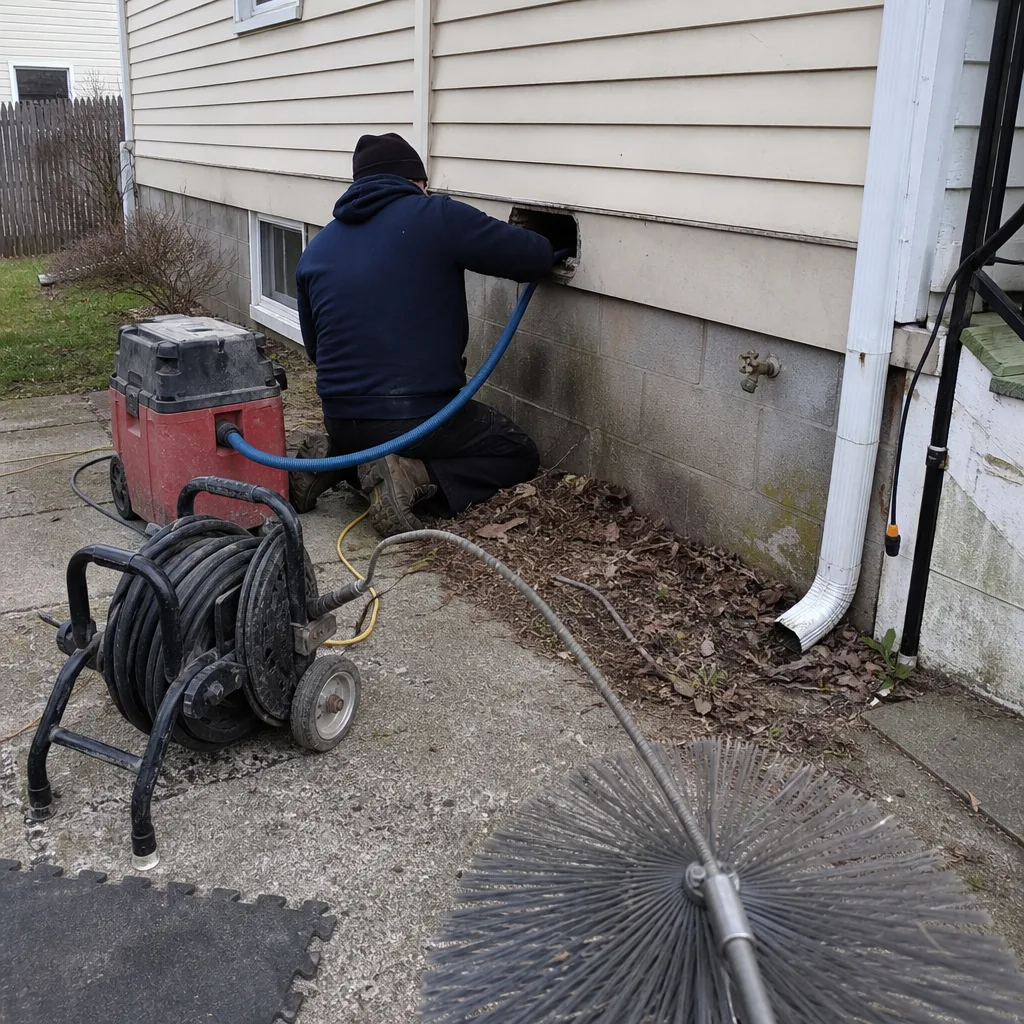 Before
 After
When to Call a Professional
Call a professional when you’ve narrowed the problem to duct debris in flex runs or branches, when you’ve found a gap or disconnect, or when negative pressure symptoms persist. These need someone with a rotary brush, a HEPA vacuum, and repair capability, all in one visit. If you’ve already had a cleaning, and rooms still feel stuffy, or dust returns within days, that’s a signal to get a second opinion before you pay for a re-clean. Duct Cleaning Cambridge offers free estimates in Cambridge – call (888) 393-0038. We answer 24/7. Fast dispatch from 7am to 7pm, Sunday through Friday. Our technicians have up to 11 years of experience, and we bring the same professional-grade equipment used in remediation work, including Nikro HEPA vacuums and Rotobrush rotary brush systems, to every job.
Frequently Asked Questions
The most likely reason is that the flex duct runs weren’t actually cleaned. Compacted dust in accordion-style connectors requires deliberate access and the right brush head, and budget cleanings often skip them. If symptoms persist, ask for per-run before-and-after photos and check whether flex sections were accessed with contact, not just air washed. Call (888) 393-0038 for a free estimate on a proper re-clean.
Check individual register boots for remaining dust. Pop a supply grille in a lower-traffic room and shine a light into the boot; if the walls are still matted with dust, that branch was bypassed. A contractor who cleaned per-run can show you photos of each one. If you can’t get that, call (888) 393-0038 for an inspection.
Negative pressure happens when the system pulls more return air than supply can replace, so the house draws in unfiltered air through gaps. Rooms feel stuffy, doors resist closing, and dust reappears quickly. It’s a system sizing and sealing problem, not a cleaning problem, and it needs a full inspection to diagnose. Call (888) 393-0038 to book one with a free estimate.
For most Cambridge homes, every few years, or more often if you’ve just renovated, moved in, or noticed dust returning within weeks of a cleaning. Homes with pets, allergy sufferers, or heavy street exposure usually benefit from more frequent attention. There’s no single schedule that fits every house. Call (888) 393-0038 for an honest recommendation based on your system.
No, and the fix is different. Filter bypass means air going around the filter because it doesn’t seal in its frame, so unfiltered air keeps circulating even with clean ducts. Check for an even seal on all four sides and feel for air at return joints. Repairing the seal is often the real fix. Call (888) 393-0038 for a diagnostic estimate.
Yes, if you haven’t had it done recently – a clogged dryer vent is a documented residential fire risk, separate from air duct cleaning. It’s worth checking whether your dryer is taking longer than it used to. It’s handled as a standalone service, and dryer vents in Cambridge homes are usually serviced at the same visit if you ask. Call (888) 393-0038 for a free estimate.
The Bottom Line
Most “failed” duct cleanings in Cambridge trace back to specific, diagnosable causes: branch runs skipped, flex connections never accessed, negative pressure throwing the system off balance, or a filter bypass letting unfiltered air circulate. Each has a verifiable check and a real fix. The difference between a cleaning that lasts and one that doesn’t usually comes down to whether professional-grade equipment was used to reach the parts of the system that actually hold the dust. When you’re ready to sort out the source, read our full guide to duct cleaning Cambridge, or explore our Cambridge service page for the full system picture.
Call (888) 393-0038 for a free estimate. We answer 24/7. Fast dispatch from 7am to 7pm, Sunday through Friday. One flat price per system, agreed before work starts, before-and-after photos of your own ducts, and licensed and insured professionals on every job.
Written by the team at Duct Cleaning Cambridge.